
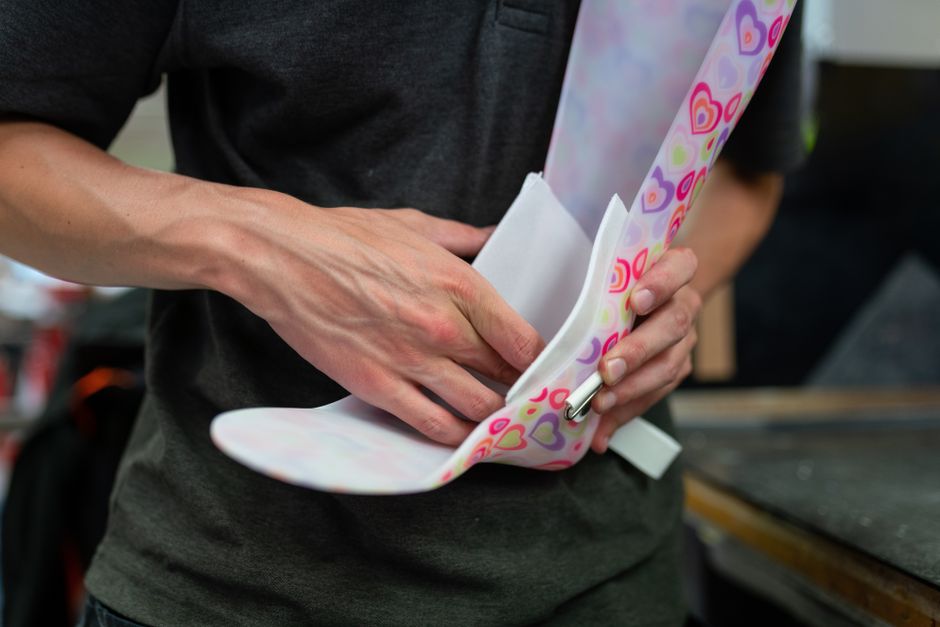
Custom orthotics are shoe inserts that are made specifically for your feet, based on a detailed assessment of how you stand, walk, and run. Unlike over-the-counter insoles, they are designed to address your unique foot structure and movement patterns. They work by altering the way your foot hits the ground, which can change how forces travel up through your ankles, knees, hips, and spine.
What Are Custom Orthotics And How Do They Work?
Custom orthotics are medical devices prescribed by a clinician, usually a podiatrist, to correct biomechanical issues. They are not the same as the cushioned insoles you buy at a drugstore. Those provide general comfort and shock absorption. Custom orthotics are rigid or semi-rigid devices that control motion and support specific areas of the foot.
The way they work is physical. When you walk, your foot rolls inward to absorb shock. This is called pronation. For some people, this motion is excessive, or the foot is too rigid and does not roll enough. Orthotics are shaped to hold your foot in a more neutral position. They support the arch and guide the heel, which reduces strain on tendons and ligaments.
This mechanical change matters because your foot is the base of your body. If the base is unstable, the structures above it compensate. By correcting the foundation, orthotics can relieve stress in places that seem unrelated to the foot, like the knee or lower back.
Who Actually Needs Custom Orthotics?
Not everyone needs them. Many people with foot pain improve with proper footwear, stretching, or physical therapy. Custom orthotics are typically recommended when a specific structural problem is identified during a clinical exam.
Common reasons for prescription include:
- Flat feet that cause pain or fatigue
- High arches that do not absorb shock well
- Leg length differences that create an uneven gait
- Conditions like plantar fasciitis or Achilles tendinitis
- Diabetes-related foot issues that require pressure redistribution
Many people also use orthotics for knee osteoarthritis. Research has shown that certain types of orthotics can shift load away from the inner part of the knee joint. This is a well-established clinical use, though results vary by individual.
If you have no pain and no functional problem, a custom orthotic may not do much for you. A healthy foot that moves normally does not need external correction. Some athletes use them preventively, but the evidence for preventing injuries in healthy runners is limited.
How Are Custom Orthotics Made?
The process starts with a clinical assessment. A podiatrist or other qualified clinician examines your feet while you stand and walk. They look at your arch height, heel position, and how your foot moves through a step. They may also assess your leg alignment and check for strength or flexibility issues.
Next, they take a mold or digital scan of your feet. Traditional methods use plaster casts or foam boxes. Modern clinics often use 3D scanners that capture the shape of your foot in seconds. The scan captures your foot in a corrected position, not just its resting shape. This is an important distinction. The orthotic is built to hold your foot in a better position, not to copy the problem.
The device is then manufactured from materials chosen for your specific needs. Softer materials absorb shock and are good for people with diabetes or arthritis. Firmer materials control motion better and are often used for structural issues like flat feet. The finished orthotic is fitted to your shoes and adjusted as needed.
Most custom orthotics last several years, but they are not permanent. Your foot shape can change with age, weight changes, or pregnancy. If you notice your orthotics wearing down or your symptoms returning, it may be time for a reassessment.




Do Custom Orthotics Actually Work?
The evidence is mixed, and the honest answer depends on the condition being treated. For some problems, the research is strong. For others, results are inconsistent.
Plantar fasciitis is one of the best-studied conditions. Many clinical trials have shown that custom orthotics reduce heel pain, especially in the short term. However, studies also show that over-the-counter arch supports often work just as well for this condition. The key factor appears to be wearing any supportive device consistently, not necessarily whether it is custom-made.
For knee osteoarthritis, the evidence is more specific. Lateral wedge orthotics, which tilt the foot slightly outward, have been shown in multiple studies to reduce pain and improve function. The effect is modest but real.
For conditions like shin splints or general foot fatigue, the evidence is less clear. Some studies show benefit, others show no significant difference compared to quality over-the-counter insoles. A 2020 review of multiple trials concluded that custom orthotics are effective for some conditions but that the added benefit over good prefabricated options is often small.
One thing is clear from the research: custom orthotics are not a cure-all. They are a tool. They work best when combined with stretching, strengthening, and appropriate footwear changes.
Custom Orthotics vs. Over-the-Counter Insoles
This is the most common question people ask. The answer matters because the price difference is significant. Custom orthotics typically cost between $200 and $800. Over-the-counter insoles cost between $20 and $80.
Over-the-counter insoles provide arch support and cushioning. They come in standard sizes and shapes. They work well for many people with mild symptoms or for those who just want more comfort in their shoes.
Custom orthotics are different in two ways. First, they are built to your exact foot measurements. Second, they are designed to control specific motions that a clinician has identified as problematic. This precision matters for certain conditions, particularly when the foot has a structural abnormality that generic supports cannot address.
Research comparing the two is revealing. Several studies have found that for common conditions like plantar fasciitis, both types work equally well. The difference becomes more relevant for complex cases, such as severe flat feet, leg length discrepancies, or diabetic foot ulcers.
If you have simple arch fatigue, try a quality over-the-counter insole first. If your problem is structural, involves significant pain, or does not improve with basic support, a professional evaluation is warranted.
What Conditions Can Orthotics Help With?
Orthotics are prescribed for a range of conditions, but the level of evidence varies for each.
Plantar fasciitis: Strong evidence supports use, though prefabricated options work similarly for many patients.
Knee osteoarthritis: Good evidence for lateral wedge orthotics reducing knee pain.
Flat feet: Orthotics can reduce pain and improve function, especially in adults with symptomatic flatfoot.
Achilles tendinitis: Heel lifts built into orthotics can reduce strain on the Achilles tendon. Evidence is moderate.
Diabetic foot complications: Custom orthotics redistribute pressure and reduce the risk of ulcer formation in high-risk patients. This is an established clinical standard.
Metatarsalgia: Pain under the ball of the foot can improve with orthotics that redistribute pressure to the metatarsal heads.
For conditions like bunions or hammertoes, orthotics do not correct the deformity. They can, however, reduce pain by changing pressure points and accommodating the foot shape.
What Are the Risks or Downsides?
Custom orthotics are generally safe, but they are not without issues. The most common problem is discomfort during the break-in period. Your foot is being held in a different position than it is used to. This can cause temporary soreness in the feet, calves, or knees.
Some people simply cannot tolerate rigid orthotics. If you are used to very cushioned shoes, a firm device can feel uncomfortable. In these cases, a clinician may recommend a softer material or a gradual wearing schedule, starting with one hour per day and increasing.
Rarely, orthotics can cause new pain. This happens when the correction is too aggressive or the device is not properly fitted. If you experience sharp pain, numbness, or tingling, stop wearing them and return to your clinician.
Orthotics also wear out. The materials compress and lose their corrective properties over time. Most devices need replacement every two to three years, though this varies with activity level and body weight.
How to Know if You Should See a Professional
Foot pain that lasts more than a few weeks warrants evaluation. Pain that is severe, accompanied by swelling, or interferes with daily activities should not be ignored.
Signs that a professional assessment may help include:
- Pain that worsens with activity and improves with rest
- Visible foot deformities or significant arch collapse
- One leg that is noticeably shorter than the other
- Recurrent injuries like ankle sprains or shin splints
- Diabetes or other conditions that affect foot sensation
A clinician will not just look at your feet. They will assess your gait, muscle strength, joint mobility, and shoe wear patterns. This full picture determines whether orthotics are appropriate or whether another treatment, like physical therapy, is a better first step.
Frequently Asked Questions
How long does it take to get used to custom orthotics?
Most people adjust within one to two weeks of gradual wear. Start with a few hours per day and increase use slowly to allow your feet and legs to adapt.
Can custom orthotics make foot pain worse?
Mild soreness during break-in is common, but sharp pain or numbness is not normal. If you experience these symptoms, stop wearing them and contact your clinician for an adjustment.
Are custom orthotics covered by insurance?
Coverage varies widely by plan and diagnosis. Many insurers cover orthotics for conditions like diabetes or severe structural deformities, but you may need a prior authorization and a documented medical need.
Do custom orthotics work better than drugstore insoles?
For simple arch support, over-the-counter insoles often work equally well. Custom orthotics show clearer benefit for structural problems, complex biomechanical issues, and specific conditions like diabetic foot ulcer prevention.
