
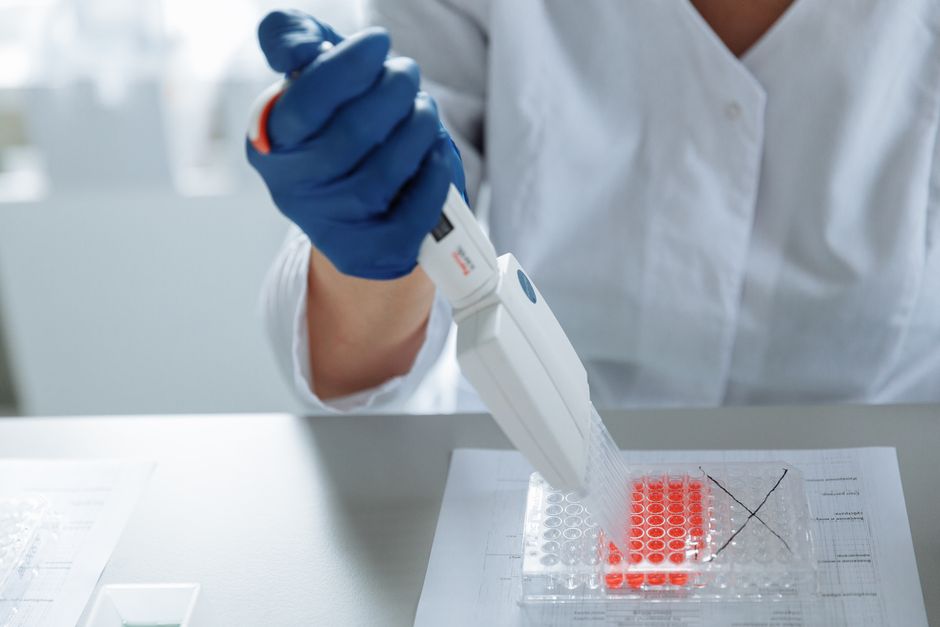
Stem cells are powerful cells in your body that can repair and regenerate tissues. But the honest answer to “how to make stem cells at home?” is that you cannot actually create or harvest them yourself. No home method can grow, extract, or manufacture stem cells. What is possible is supporting your body’s natural stem cell function through healthy habits. Research suggests that sleep, exercise, and certain diets may help your body maintain its own stem cell activity, but this is not the same as “making” stem cells. Let’s look at what the evidence really says.
What Are Stem Cells and Why Do People Want to Make Them?
Stem cells are special cells that can develop into many different cell types in the body. They also self-renew, meaning they can divide and make more stem cells. There are two main types: embryonic stem cells (from embryos) and adult stem cells (found in bone marrow, fat, and other tissues). Adult stem cells help repair damaged tissue throughout your life.
People want to “make” them because research shows stem cells may help treat diseases like Parkinson’s, heart disease, and arthritis. So the idea of boosting your own supply sounds promising. But making stem cells is not something you can control directly at home. The body regulates its stem cell numbers naturally.
Can You Actually “Make” Stem Cells at Home?
No. There is no proven way to create new stem cells in your body through any home remedy, device, or diet. Stem cells come from your body’s own tissues, and you cannot instruct your body to produce more on demand. Stem cell therapies in clinics involve extracting cells, growing them in a lab, and reinjecting them – none of that can happen at home.
What you can influence is the health and function of the stem cells you already have. Some lifestyle factors may help your existing stem cells work better, but this is not the same as making new ones. Be wary of anyone who claims otherwise.
What Lifestyle Habits May Support Natural Stem Cell Function?
Studies on humans are limited, but some research points to habits that may support stem cell health. The strongest evidence is for sleep, exercise, and calorie restriction.
Sleep. Studies in animals and small human trials suggest that lack of sleep reduces stem cell function. One study found that sleep deprivation lowered hematopoietic stem cells (which form blood cells) in mice. While human data is less direct, good sleep hygiene is a reasonable step.
Exercise. Exercise appears to increase the number of circulating stem cells. A 2019 review indicated that aerobic exercise can boost endothelial progenitor cells, which help repair blood vessels. The effect is temporary, but consistent exercise may help maintain stem cell activity.
Diet and fasting. Intermittent fasting and calorie restriction have been shown in animals to activate stem cell pathways, particularly in the gut and muscle. In humans, regular fasting may reduce inflammation, which can impair stem cell function. However, no large human trials have confirmed that fasting directly increases stem cell numbers.
These lifestyle habits are generally healthy, but they do not “make” stem cells. They support the stem cells you already have.


Are Stem Cell “Activators” or Supplements Effective?
No clinical evidence confirms that any supplement or “stem cell activator” on the market increases stem cell numbers in humans. Many products contain ingredients like resveratrol, green tea extract, or cordyceps. Some cell studies and animal research suggest these might affect stem cell pathways, but human trials are absent or very small. The marketing claims far outpace the science.
One example is the supplement “Stem Cell 100” or “StemEnhance.” These are not FDA-approved for any medical purpose. The best available data shows they may increase circulation of a specific stem cell type by a modest amount, but the clinical relevance is unknown. No study has shown actual tissue repair or health benefit from taking these products.
If you take these supplements, you are spending money on unproven effects. They are not known to be dangerous at typical doses, but they are also not a reliable way to change your stem cell function.
What About Using Devices or DIY Stem Cell Treatments?
This is dangerous and should be avoided. Some companies sell devices that claim to stimulate stem cell production using light, electricity, or magnetic fields. None have been proven safe or effective for this purpose in peer-reviewed human studies. Using such devices at home could cause burns, eye damage, or other harm.
DIY stem cell treatments – such as attempting to extract your own bone marrow or fat – are extremely unsafe. The risk of infection, bleeding, and tissue damage is high. No guideline or reputable medical source supports at-home stem cell collection. If you need stem cell therapy, it must be performed by a qualified medical professional in a sterile clinical setting.
Marketing that claims you can “activate your own stem cells” with a device or supplement is not supported by evidence. Be highly skeptical of such claims.
The Bottom Line: What Is Realistic
You cannot make stem cells at home in any meaningful sense. What you can do is adopt habits that may help your body’s natural stem cell system function optimally. Focus on quality sleep, regular aerobic exercise, and a balanced diet that includes plenty of vegetables, healthy fats, and adequate protein. Intermittent fasting may also help reduce inflammation.
If you have a medical condition that might benefit from stem cell therapy, discuss with your doctor. No home method replaces proven medical treatments. Steer clear of unproven supplements and devices. There is no shortcut.
The real power lies in supporting your body’s existing repair processes, not in trying to make something your body already handles.
Frequently Asked Questions
Can I increase my stem cells naturally?
Some research suggests that exercise, good sleep, and intermittent fasting may support stem cell function, but no lifestyle change has been proven to increase stem cell counts in humans.
Are stem cell boosters safe?
Most stem cell supplements are considered safe at typical doses, but no clinical evidence confirms they boost stem cell activity or improve health outcomes. Always consult a doctor before taking any supplement.
What is the best diet for stem cell health?
A diet rich in anti-inflammatory foods like leafy greens, berries, nuts, and fatty fish may support overall cellular health, including stem cells. No specific “stem cell diet” has been clinically proven.
Can stem cells regrow lost tissue at home?
No. Tissue regeneration requires controlled medical procedures. At home, you cannot regrow damaged organs or reverse chronic diseases with diet or supplements alone.
