
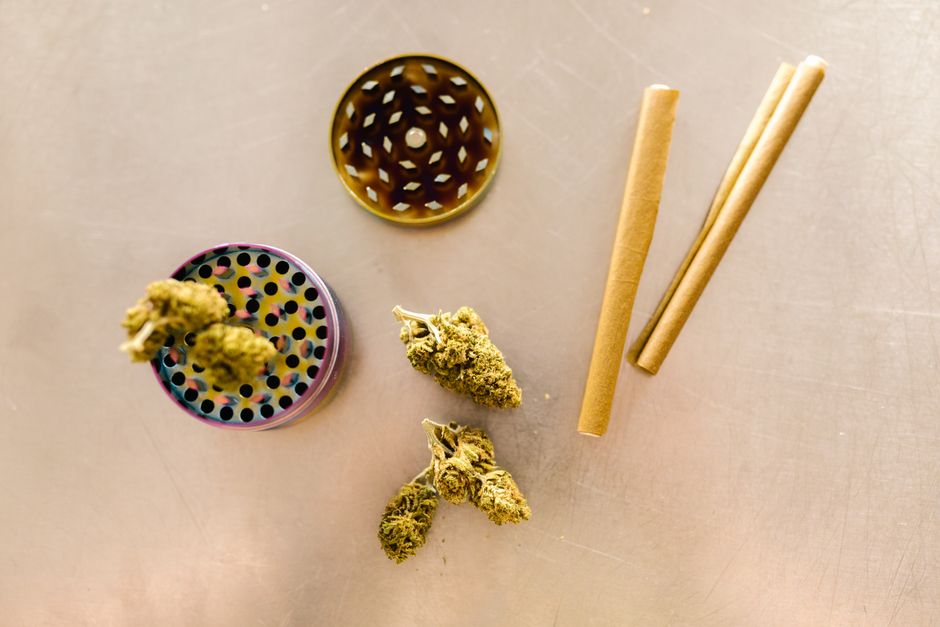
Glass joints, also known as glass pipes, come in two common styles: the spoon pipe and the chillum. To use a spoon pipe, you pack the bowl, cover the carb hole with your thumb, light the herb, and inhale through the mouthpiece—then release your thumb to clear the smoke. To use a chillum, you pack the wider end, light it, and inhale from the other end, removing the chillum from your mouth before the smoke gets too hot. Both styles work for smoking dry herbs, but the technique and experience differ.
What Are the Two Common Styles of Glass Joints?
The two most common styles of glass joints are the spoon pipe and the chillum. Each has a distinct design and method of use.
Spoon pipe: This style gets its name from its shape, which resembles a spoon. It has three main parts: the bowl (where you place the herb), the carb (a small hole on the side), and the mouthpiece. The carb allows you to control airflow and clear the pipe of smoke. Spoon pipes are widely available in many sizes and colors. They are easy to pack and clean.
Chillum: A chillum is a straight, tube-shaped pipe with no carb. It is often slightly tapered—wider at one end (the bowl) and narrower at the mouthpiece. To use it, you pack the wide end and light it directly. There is no hole to cover, so you must pull the chillum away from your mouth between hits to avoid inhaling continuously. Chillums are simpler in design and tend to be cheaper, but they can deliver hotter smoke if not used carefully.
How to Use a Spoon Pipe Glass Joint
Using a spoon pipe takes a little practice to get the timing right. Follow these steps.
- Grind your herb to a medium consistency. Do not pack it too tightly—air needs to flow through the bowl.
- Place the herb in the bowl. Press it in gently so it stays lit but still allows airflow.
- Place your thumb over the carb hole on the side of the pipe. This seals the pipe so that when you inhale, air is pulled only through the burning herb.
- Hold a lighter or hemp wick above the herb. Inhale slowly while lighting the herb. The flame should touch the herb only briefly; you want to ignite it, not keep the flame on it.
- Once the herb is lit, remove the lighter. Keep your thumb over the carb and continue inhaling to fill the chamber with smoke.
- When the pipe feels full (you can feel the warmth in your mouth), take your thumb off the carb. This pulls fresh air through the pipe and pushes the smoke into your lungs.
- Inhale fully, then exhale. Repeat as needed, using a lighter to relight any unburned herb.
Key tip: If you keep your thumb on the carb the entire time instead of releasing it, you will get heavier, harsher hits. Releasing the carb clears the pipe and gives a smoother hit.
How to Use a Chillum Glass Joint
A chillum is simpler mechanically but can burn your fingers if you are not careful. Here is the correct way to use one.
- Grind the herb and pack it into the wider end of the chillum. Pack it firmly enough so it does not fall out, but not so tight that air cannot pass.
- Hold the chillum by the mouthpiece end. The narrow end goes into your mouth.
- Light the packed end with a lighter. As you light, inhale gently through the mouthpiece. The smoke will travel straight down the tube.
- Take a hit, then immediately remove the chillum from your mouth. Because there is no carb, the smoke keeps burning if you leave it lit. Lifting the chillum breaks the airflow and stops the burn.
- Let the chillum cool between hits. The glass near the bowl gets extremely hot—do not touch it with your fingers.
Some people use a small screen or a glass filter in the bowl end of a chillum to prevent ash from entering the mouthpiece. Chillums are popular for travel because they are small and have no carb to accidentally cover.





Key Facts About Using a Glass Joint
Whether you use a spoon pipe or a chillum, some key facts apply to both.
Safety first: Glass gets hot. Hold the pipe by the mouthpiece or a cooler part. Never touch the bowl area immediately after use. Use a screen to keep ash from entering your mouth and to prevent burning your lips.
Health considerations: Inhaling smoke from burning plant matter (whether tobacco or cannabis) introduces tar, carbon monoxide, and other combustion byproducts into your lungs. Glass joints do not filter smoke; they only provide a way to inhale it. No credible evidence suggests that glass pipes are safer for your lungs than other methods—they simply avoid the additional chemicals in paper or plastic. If you are concerned about lung health, the safest option is not to smoke at all.
Cleaning is essential: Resin builds up inside the pipe over time. This resin contains many of the same harmful substances found in smoke. Regular cleaning (every few uses or at least weekly) reduces harsh taste and potential bacterial growth. Isopropyl alcohol (91% or higher) and coarse salt (like kosher salt) work well. Soak the pipe in a sealed bag with alcohol and salt, shake vigorously, then rinse with warm water. Allow to dry completely before use.
Handling: Glass pipes are fragile. Dropping one on a hard surface can shatter it. Store your pipe in a padded case or a soft cloth to avoid breakage. Avoid using pipes with visible cracks—they can break while you are inhaling, causing cuts or burns.
Are Glass Joints Safer Than Other Smoking Methods?
Some people believe glass joints are healthier than paper joints or metal pipes. The evidence does not strongly support that claim.
Compared to rolling paper, a glass pipe eliminates the paper itself, which can contain bleaching chemicals and adhesives. However, the main harm from smoking comes from inhaling combusted plant matter—not from the paper. Switching to glass does not reduce tar or carbon monoxide exposure.
Compared to metal pipes, glass is nonreactive and easier to keep clean. Metal pipes can leach small amounts of metals, especially if they contain alloys with lead or other contaminants. High-quality glass (borosilicate) does not leach anything into the smoke. So glass may be slightly better than some metal pipes, but again, the overall risk from smoking remains.
Some marketing claims suggest glass pipes produce cooler smoke because glass dissipates heat. In practice, a glass pipe can still deliver hot smoke, especially a chillum. Adding a water filter (like a bubbler) can cool and filter smoke, but a dry glass joint does not filter at all.
How to Clean and Maintain a Glass Joint
Cleaning may be the most important part of using a glass joint. A dirty pipe tastes bad and may harbor bacteria. Here is a simple cleaning method that works for both spoon pipes and chillums.
- Place the pipe in a zip-top plastic bag. Add enough isopropyl alcohol (91% or higher) to fully submerge it.
- Add two tablespoons of coarse salt. The salt acts as an abrasive to scrape off resin.
- Seal the bag and shake vigorously for one to two minutes. Let it soak for 30 minutes if the resin is thick.
- Remove the pipe and rinse thoroughly with warm water. Check inside with a flashlight—if resin remains, repeat the process.
- Allow the pipe to air dry completely before using. Wet glass can cause steam burns.
- Clean after every 5–10 uses, or whenever you notice a harsh taste or darkened glass.
An alternative is to boil the pipe in water for 10 minutes, but this risks thermal shock if the glass is not borosilicate. Alcohol cleaning is safer and more effective.
Frequently Asked Questions
Frequently Asked Questions
How do you pull from a glass pipe?
You pull (inhale) through the mouthpiece while covering the carb for a spoon pipe, or directly through the narrow end for a chillum. For spoon pipes, release the carb to clear the smoke before exhaling.
What is a carb on a glass pipe?
A carb is a small hole on the side of a spoon pipe. Covering it with your thumb directs all inhaled air through the burning herb; releasing it lets fresh air mix in and pushes the smoke into your lungs.
How often should I clean my glass joint?
Clean your glass joint every 5–10 uses, or at least once a week if you smoke daily. Frequent cleaning keeps the taste clean and prevents resin from hardening, which makes cleaning harder.
Can you use a glass joint for tobacco?
Yes, you can smoke tobacco in a glass joint, but it will leave a sticky, dark residue that requires more frequent cleaning. The health risks of inhaling tobacco smoke remain the same as with other methods.
