
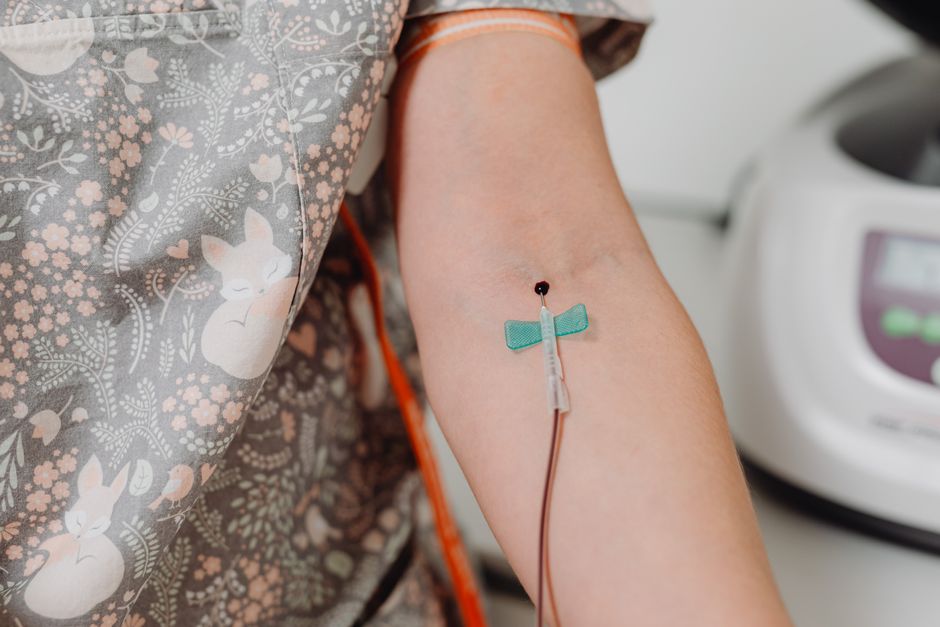
Blood gases are a group of tests that measure how well your lungs deliver oxygen to your blood and remove carbon dioxide from it. The test also measures the acidity, or pH, of your blood, which tells doctors whether your body’s chemical balance is healthy. This simple blood draw provides critical information for people with breathing problems, kidney disease, or metabolic conditions.
What Are Blood Gases Measured In a Test?
A blood gas test, often called an arterial blood gas (ABG) test, measures several key values in a sample of blood. Unlike a standard blood test taken from a vein, this test usually comes from an artery, often in the wrist. Arterial blood is the best sample because it has just been oxygenated by the lungs, so it reflects how well your lungs are working right now.
The test measures four main things:
- Partial pressure of oxygen (PaO2): This measures the pressure of oxygen dissolved in the blood. It shows how well oxygen moves from the lungs into the bloodstream.
- Partial pressure of carbon dioxide (PaCO2): This measures the pressure of carbon dioxide in the blood. It shows how well your lungs are removing carbon dioxide, a waste product your body produces.
- pH: This measures the acidity or alkalinity of your blood. A normal pH is tightly controlled because even small changes can affect how enzymes and organs function.
- Bicarbonate (HCO3): This is a chemical buffer that helps keep your blood pH stable. The kidneys control bicarbonate levels over time.
Some lab reports also include oxygen saturation and base excess. These values give doctors a fuller picture of your respiratory and metabolic health.
Why Would a Doctor Order a Blood Gas Test?
Doctors order blood gas tests when they need to know exactly how well your lungs and kidneys are managing oxygen, carbon dioxide, and pH. The test is common in emergency rooms, intensive care units, and for people with chronic lung disease.
Common reasons for ordering the test include:
- Shortness of breath or difficulty breathing
- Monitoring severe asthma or COPD
- Assessing oxygen therapy needs
- Checking for breathing problems during surgery
- Evaluating kidney failure or metabolic disorders
- Managing conditions like sepsis or diabetic ketoacidosis
- After a head injury that may affect breathing drive
The test is also used to check whether a treatment is working. For example, if a person is on a ventilator, repeated blood gas tests tell the care team whether the machine settings are correct.
What Do Blood Gas Numbers Mean?
Normal ranges can vary slightly between laboratories, so the reference range on your report is the most accurate guide. That said, standard reference ranges for adults are well established.
| Measurement | Normal Range (Arterial Blood) |
|---|---|
| pH | 7.35 – 7.45 |
| PaO2 (oxygen) | 75 – 100 mmHg |
| PaCO2 (carbon dioxide) | 35 – 45 mmHg |
| Bicarbonate (HCO3) | 22 – 26 mEq/L |
Numbers outside these ranges indicate a problem, but the pattern matters as much as the individual values. For example, a low pH with a high PaCO2 suggests the lungs are not removing enough carbon dioxide. A low pH with a low bicarbonate suggests the kidneys are not managing acid correctly or the body is producing too much acid.
Doctors group these patterns into four basic categories:
- Respiratory acidosis: Too much carbon dioxide, usually from slow or shallow breathing.
- Respiratory alkalosis: Too little carbon dioxide, usually from rapid or deep breathing.
- Metabolic acidosis: Too much acid or too little bicarbonate in the body.
- Metabolic alkalosis: Too much bicarbonate or too little acid in the body.
Many people have mixed patterns. A person with lung disease may have respiratory acidosis, and if they also develop kidney problems, metabolic acidosis can be present at the same time.



How Is a Blood Gas Test Different From a Pulse Oximeter?
Many people are familiar with the small clip placed on a finger to measure oxygen levels. That device is a pulse oximeter, and it measures oxygen saturation, which is the percentage of hemoglobin carrying oxygen. It is a useful screening tool, but it is not a replacement for a blood gas test.
Pulse oximetry tells you nothing about carbon dioxide levels or blood pH. A person can have a normal oxygen saturation reading while retaining dangerous amounts of carbon dioxide. This can happen in some chronic lung conditions where the body adapts to high carbon dioxide levels over time.
Blood gas testing provides the full picture. It measures the actual pressure of oxygen, the pressure of carbon dioxide, and the acid-base status of the blood. For critical decisions in the hospital, an ABG is the standard test.
Pulse oximetry also has known limitations. Poor circulation, cold hands, dark nail polish, and certain medical conditions can produce inaccurate readings. When accuracy matters most, a blood gas test is the reliable option.
What Happens During and After the Test?
An arterial blood gas test is slightly different from a standard blood draw. The sample is usually taken from the radial artery in the wrist, though the femoral artery in the groin or the brachial artery in the arm can be used in emergencies.
The procedure involves a small needle inserted into the artery. It can be more uncomfortable than a vein draw because arteries are deeper and have more nerve endings. Some people feel a brief, sharp pain. After the needle is removed, firm pressure is applied to the site for several minutes to stop bleeding.
Because arteries carry blood under higher pressure than veins, there is a small risk of bleeding or bruising at the puncture site. Serious complications are rare. The test takes only a few minutes, and results are usually available quickly, often within 15 minutes in a hospital setting.
One important note: some people hyperventilate during the procedure because they are anxious. This can change the carbon dioxide level in the blood and produce misleading results. The person drawing the blood will often let you know to breathe normally during the procedure.
Are There Alternative Tests?
In some situations, a venous blood gas test may be used instead of an arterial one. A venous sample is easier to obtain and less painful. It can provide reliable information about pH and carbon dioxide in many cases.
However, venous blood does not accurately reflect oxygen levels in the body. The oxygen value from a vein is much lower than from an artery and cannot be used to assess lung oxygen delivery. If the clinical question is about oxygenation, an arterial sample is necessary.
Capillary blood gas testing is another option, commonly used in newborns and infants. A small prick is made on the heel, and a tiny tube collects the blood. This method is less accurate than arterial sampling but can still provide useful information about pH and carbon dioxide.
For people who need ongoing monitoring of oxygen and carbon dioxide without repeated needle sticks, a device called a transcutaneous monitor can be placed on the skin. This is most commonly used in neonatal intensive care units and during certain surgical procedures.
Frequently Asked Questions
Is a blood gas test painful?
The test can be uncomfortable because the needle goes into an artery, which is deeper than a vein. Most people feel a brief sharp sensation, and the discomfort passes quickly once the sample is collected.
How long does it take to get blood gas results?
In a hospital setting, results are typically available within 15 minutes. The sample must be kept on ice and analyzed quickly because blood gases change as the sample sits.
Can a blood gas test be done at home?
No, blood gas testing requires specialized equipment and rapid processing that is only available in hospitals and clinical laboratories. Home monitoring of oxygen is done with a pulse oximeter, which measures only oxygen saturation, not carbon dioxide or pH.
What happens if my blood gas results are abnormal?
Abnormal results mean your body is struggling to maintain oxygen, carbon dioxide, or pH balance. Your doctor will use the specific pattern of abnormalities to identify the underlying cause and decide on treatment, which may include oxygen therapy, breathing support, or medications.
