
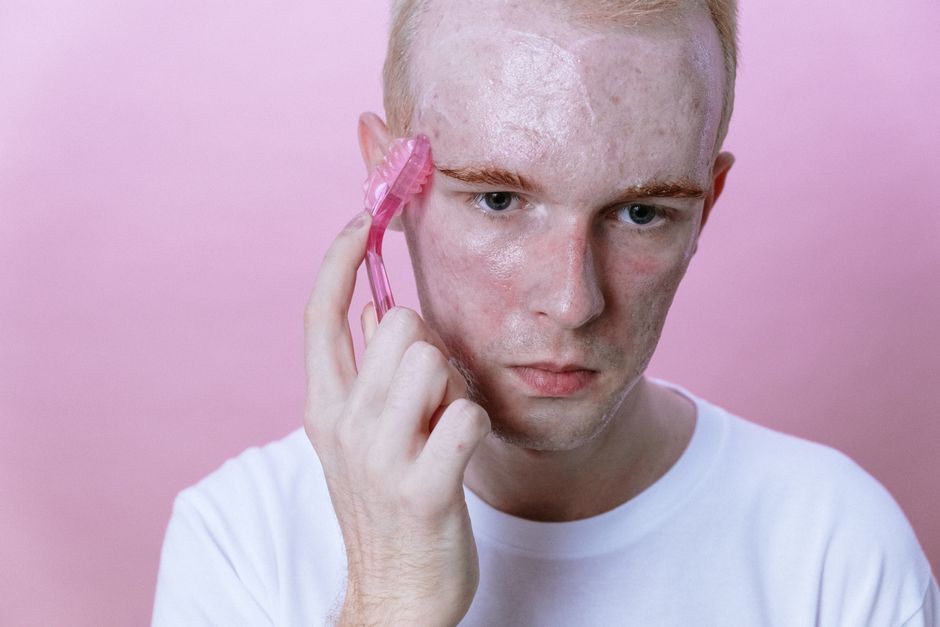
Acne is most severe for most people between the ages of 14 and 19. This is when hormonal changes peak during puberty, oil production is at its highest, and breakouts tend to be most frequent and inflamed. For some, the worst years may come earlier or later, but the teen years are the most common period for severe acne.
What Causes Acne to Peak in the Teen Years?
Hormones are the main driver. During puberty, the body increases production of androgens like testosterone. These hormones tell your sebaceous glands to make more sebum, which is the oily substance that lubricates skin.
When too much sebum mixes with dead skin cells, it clogs pores. Bacteria called Cutibacterium acnes then grow in those clogged pores. This leads to inflammation, redness, and pus. The combination of high hormone levels and a still-developing immune system makes teens especially vulnerable to severe breakouts.
Research published in the Journal of the American Academy of Dermatology found that nearly 85 percent of people between ages 12 and 24 experience some form of acne. Severe cases are most common in the 14-to-19 age range.
Does Acne Get Better After Age 20?
For most people, yes. As hormone levels stabilize after the teen years, oil production usually decreases. Breakouts become less frequent and less severe. Many people see a clear improvement by their early twenties.
But not everyone outgrows it. Adult acne is real and affects about 15 percent of women and 5 percent of men over age 25. For women, hormonal fluctuations during menstruation, pregnancy, and menopause can trigger breakouts well into their 30s and 40s.
The difference is that adult acne tends to be milder. You might get a few cystic pimples along the jawline or chin rather than widespread breakouts across the forehead and cheeks. The severity is generally lower than what teens experience.
What Age Is Acne The Worst for Different Types of Acne?
Not all acne is the same. The age when it is worst depends on the type of breakout.
| Acne Type | Worst Age Range | Key Feature |
|---|---|---|
| Comedonal (blackheads, whiteheads) | 12–16 | Clogged pores without much redness |
| Inflammatory (red pimples, pustules) | 14–19 | Bacteria cause swelling and pus |
| Cystic (deep, painful lumps) | 15–20 | Most severe form, often leaves scars |
| Adult-onset (hormonal) | 25–40 (women) | Lower jawline, chin, milder overall |
Cystic acne is the most painful and scarring form. It peaks in the late teen years. Comedonal acne often starts earlier but is less distressing because it does not hurt. Inflammatory acne is the most common type during the worst years.



Does Gender Affect When Acne Is Worst?
Yes. Boys tend to have more severe acne during the teen years. Their bodies produce more androgens during puberty, which leads to higher oil production. Boys are also more likely to develop cystic acne that leaves scars.
Girls often start developing acne earlier, around age 11 or 12, because they enter puberty sooner. But their breakouts are usually less severe. The American Academy of Dermatology notes that boys are more likely to need prescription treatments for severe acne during adolescence.
After age 25, the pattern flips. Women are far more likely to have adult acne than men. Hormonal shifts from birth control, pregnancy, and menopause play a big role. Men’s acne typically fades after the teen years and rarely returns with the same intensity.
What Actually Helps During the Worst Years?
Consistent skincare matters more than aggressive treatments. Washing your face twice daily with a gentle cleanser removes excess oil without stripping the skin. Overwashing can make acne worse by irritating the skin and triggering more oil production.
Over-the-counter products with benzoyl peroxide or salicylic acid are backed by evidence. Benzoyl peroxide kills bacteria. Salicylic acid helps unclog pores. For mild to moderate acne, these are effective first-line options.
For severe acne, prescription treatments work better. Topical retinoids like tretinoin speed up skin cell turnover. Antibiotics reduce bacteria and inflammation. For cystic acne, isotretinoin (formerly Accutane) is the most effective option. The FDA has approved it for severe cases that do not respond to other treatments.
One thing that does not help much is changing your diet. Research on diet and acne is mixed. Some studies suggest high-glycemic foods and dairy may worsen acne for some people, but the effect is small for most. Cutting out chocolate or pizza is unlikely to clear severe breakouts.
Common Misconceptions About When Acne Is Worst
A common myth is that acne is worst in your early twenties. The evidence does not support this. Most studies show a clear peak in the mid-to-late teen years. By age 20, severity is already dropping for the majority of people.
Another myth is that acne means you have dirty skin. Acne is not caused by poor hygiene. In fact, scrubbing hard or using harsh soaps can damage the skin barrier and make breakouts worse. Gentle cleansing is better.
Some people believe that acne is only a cosmetic issue. That is not accurate. Severe acne can cause permanent scarring and significant psychological distress. The CDC has noted that acne-related depression and anxiety are real concerns, especially during the teen years when social pressures are high.
Finally, the idea that you must let acne “run its course” is outdated. Effective treatments exist. There is no reason to suffer through severe acne when prescription options can prevent long-term damage.
Frequently Asked Questions
Can acne be worst at age 30?
Yes, some people experience a second peak of acne in their late twenties and thirties, especially women. But this is usually milder than teen acne and more likely to be hormonal.
Does acne get worse before it gets better with treatment?
Some treatments like retinoids can cause a temporary worsening in the first few weeks. This is called purging and it usually resolves within a month.
Is adult acne different from teen acne?
Adult acne tends to appear on the lower face, jawline, and neck, while teen acne is more common on the forehead, cheeks, and nose. Hormonal triggers are more relevant for adults.
Can stress make acne worse at any age?
Yes, stress increases cortisol levels, which can boost oil production and worsen acne. This effect is seen in both teens and adults.
