
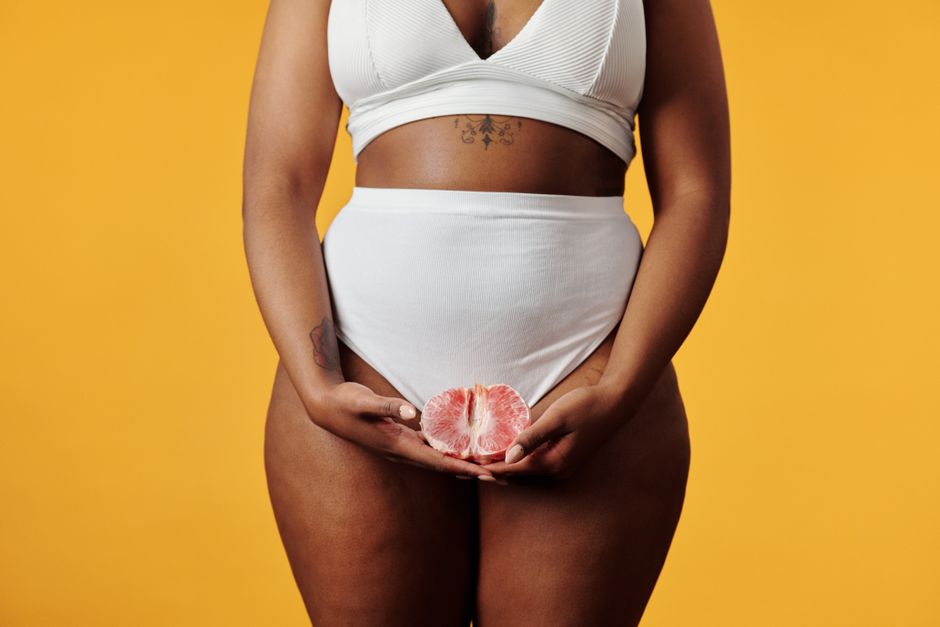
Most females reach their final adult height between ages 14 and 15, about two to two and a half years after their first period. However, physical development as a whole—including breast development, body composition, and bone density—continues into the late teens and early 20s. Brain development continues even longer, well into the mid-20s. So the honest answer is that development happens in stages, and different parts of the body finish at different times.
What Age Do Females Stop Developing Physically?
Physical development is not a single event. It is a series of changes that happen on their own timeline. The most visible changes—height, breast development, and body shape—follow a predictable sequence driven by hormones, especially estrogen.
Growth spurts typically begin around ages 9 to 11. The fastest period of height gain usually happens just before the first menstrual period. After that first period, most girls grow only about 2 to 3 more inches total. By age 15, the vast majority of females have reached their final adult height.
Breast development follows a similar timeline. It usually starts between ages 8 and 13 and takes about 4 to 5 years to complete. Most females reach full breast development by age 17 or 18, though some see continued subtle changes into their early 20s.
Body composition tells a different story. Fat distribution continues to shift through the late teens. Hips widen, and the body settles into its adult shape. These changes are gradual and often not noticeable month to month, but they are real.
Does Bone Development Continue After Height Stops?
Yes. Height stops when the growth plates in the long bones fuse. But bone density—the strength and mineral content of bone—continues to build for years afterward.
Peak bone mass is typically reached around age 20 to 25. This is a critical window. The bone tissue laid down during these years is essentially the bone bank a woman draws from for the rest of her life. After peak bone mass is reached, bone density slowly declines with age.
This is why nutrition matters so much in the teenage years and early 20s. Calcium, vitamin D, and regular weight-bearing exercise during this window help build a stronger skeleton. The opportunity to build bone is not lost after the late 20s, but the rate of gain slows considerably.
When Does the Brain Finish Developing in Females?
The brain is the last organ to fully mature. The prefrontal cortex—the area responsible for planning, impulse control, and decision-making—continues to develop until about age 25.
This applies equally to females and males. Brain maturation follows a similar timeline across sexes, though some research suggests certain regions mature slightly earlier in females on average. The key point is that brain development extends well beyond physical growth.
The practical implication is straightforward. A 16-year-old female may look physically mature, but her brain is still actively developing. The wiring that supports long-term planning and emotional regulation is not fully in place until the mid-20s.





Can Development Continue Into the Early 20s?
Yes, but the changes are subtle compared to the rapid growth of puberty. Between ages 18 and 25, most females experience small changes in body shape, particularly around the hips and thighs. Muscle mass can increase with training, and body fat distribution may shift slightly.
Breast tissue can also change during this period. Some women notice their breasts continue to fill out or change shape into their early 20s. This is normal and not a cause for concern.
It is important to distinguish between natural development and weight gain. When a woman gains weight in her early 20s, the fat distributes according to her genetic pattern. This can make it look like she is still developing when she is simply gaining weight in a typical female pattern.
What Factors Influence When Development Completes?
Several factors affect the timing of development. Genetics is the strongest predictor. A girl’s growth pattern tends to mirror her mother’s and other female relatives’ patterns.
Nutrition plays a major role. Chronic undernutrition delays puberty and slows growth. Overnutrition—carrying excess weight—can trigger earlier puberty. Both extremes shift the timeline.
Chronic illness can also delay development. Conditions that affect digestion, hormone production, or overall health can slow the process. In these cases, development may resume once the underlying condition is managed.
Hormonal conditions deserve special mention. Polycystic ovary syndrome (PCOS) and thyroid disorders can alter the timing of development. If a female has not started her period by age 15, or if development stalls unexpectedly, a medical evaluation is warranted.
When Should Parents Worry About Delayed Development?
Most variation in development is normal. But there are clear signs that warrant medical attention.
If there is no breast development by age 13, or no menstrual period by age 15, an evaluation is recommended. The same applies if growth stops completely for several years before puberty is expected to finish.
Sudden changes are also worth investigating. Rapid weight loss, extreme exercise, or eating disorders can halt development. These situations require professional support, not just time.
Pediatricians and adolescent medicine specialists can assess growth patterns using standardized growth charts. They can order blood tests to check hormone levels if needed. Most of the time, the answer is that development is simply following a slower but normal timeline.
Does Adult Development Differ From Puberty Development?
Yes. Puberty is the dramatic transformation from childhood to reproductive capability. It is driven by a surge of hormones and ends in a relatively short window—roughly ages 8 to 18.
Adult development is different. It is slower, subtler, and continues for decades. Muscle mass peaks in the late 20s to early 30s. Bone density peaks around age 25 to 30. Body composition shifts gradually as hormone levels change across the lifespan.
Pregnancy is a unique period of physical change. The body undergoes significant adaptations to support fetal development, and some of these changes—such as widened hips or altered breast tissue—may persist after childbirth. This is not development in the pubertal sense, but it is a permanent physical change.
What Is the Difference Between Growth and Development?
Growth refers to an increase in size. Height, weight, and bone length are measures of growth. Development refers to maturation—the process of becoming fully functional. A body part can be fully grown but still developing.
For example, a girl may reach her adult height at 14, but her bones continue to increase in density until her mid-20s. Her height is grown. Her skeleton is still developing.
This distinction matters for understanding the full answer to the question. Females stop growing in height around age 14 to 15. But they continue developing—in bone, brain, and body composition—well into their 20s.
Frequently Asked Questions
At what age do females stop growing in height?
Most females reach their final adult height by age 14 or 15, about two years after their first period. Growth after that point is minimal.
Do female breasts stop developing at a certain age?
Breast development typically completes by age 17 or 18, though some women notice subtle changes into their early 20s. Hormonal changes during pregnancy and menopause can also alter breast tissue later in life.
When is the female brain fully developed?
The prefrontal cortex, which handles planning and impulse control, finishes maturing around age 25. This is the last part of the brain to develop.
Can a female still grow after 18?
Growth in height after 18 is extremely rare and usually indicates delayed puberty. Most females have fused growth plates by age 16, which makes further height gain impossible.
