
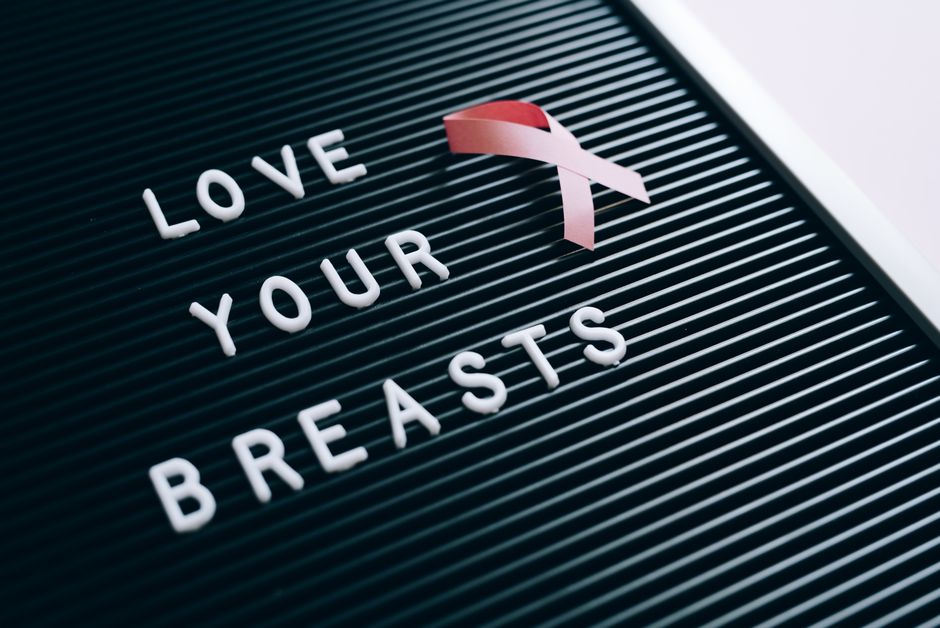
Breast growth during pregnancy usually slows or stops in the third trimester, roughly around weeks 36 to 40, though the exact timing varies from person to person. Most of the change happens in the first trimester, when rising hormone levels trigger the milk ducts and milk-producing tissue to expand. After that, growth tends to level off, and the breasts mostly stay the same size until milk production begins after birth.
What Causes Breasts to Grow During Pregnancy?
Breast growth is driven by hormones, not by the baby’s size or how much weight you gain. Two hormones do most of the work: estrogen and progesterone. Both rise sharply in early pregnancy.
Estrogen supports the growth of the milk ducts — the branching tubes that carry milk toward the nipple. Progesterone helps the milk-producing glands, called alveoli, multiply and mature. This combination is why breasts often feel fuller, heavier, and more tender within the first few weeks.
There is a detail many people miss. The breasts are preparing to make milk long before any milk appears. The structure is being built ahead of time, which is why the changes start so early and feel so noticeable.
Prolactin, the hormone that later drives milk production, also rises during pregnancy. But high progesterone levels keep actual milk-making largely switched off until after delivery, when progesterone drops. That drop is one of the signals that tells the breasts to begin producing milk in volume.
When Do Breasts Stop Growing During Pregnancy?
For most people, the rapid growth phase ends by the end of the first trimester or early in the second. The breasts may continue to change more slowly through the second trimester, then largely settle in the third.
The commonly cited window for growth tapering off is around weeks 36 to 40. This is a general pattern, not a rule. Some people notice their breasts stay about the same size from mid-pregnancy onward. Others notice a final increase close to delivery.
There is no single cutoff week that applies to everyone. Breast size during pregnancy depends on your starting breast tissue, your hormone levels, your body’s individual response, and how much fatty tissue you carry in the breasts. Fatty tissue is different from glandular tissue, and only the glandular part is directly building milk-making capacity.
What matters more than exact timing is the trend. Steady growth that then levels off is expected. Growth that stops very early is also usually normal. A sudden, painful, one-sided change is different and worth having checked.
How Much Do Breasts Typically Grow in Pregnancy?
There is no standard number of cup sizes. Breast size change during pregnancy varies widely, and clinicians generally do not use a target amount to judge whether a pregnancy is progressing normally.
Many people go up one or more cup sizes. Some notice little change at all. Both can be normal. The amount of growth is not a reliable sign of milk supply or of how breastfeeding will go.
Two factors shape how much the breasts change:
- Glandular tissue: the milk ducts and glands that respond to pregnancy hormones.
- Fatty tissue: the fat that gives breasts much of their size outside of pregnancy.
Breasts with more glandular tissue may change more noticeably. Breasts with more fatty tissue may change less. Neither predicts how well breastfeeding will work, because milk production depends on hormones, gland function, and how often milk is removed after birth.



Do Breasts Keep Growing After Birth?
Yes, but for a different reason. After delivery, progesterone falls and prolactin rises, and the breasts shift from building structure to producing milk. This is when they often feel the fullest and heaviest.
The first few days after birth bring a noticeable increase as milk production begins in volume. This fullness usually settles as feeding becomes established, often within the first several weeks. From there, breast size tends to stabilize while milk supply and demand are in balance.
Breast size can change again over the course of breastfeeding. Some people notice their breasts feel larger in the morning or after a longer gap between feeds, and smaller right after feeding. That is normal and reflects milk volume, not new growth of tissue.
When breastfeeding ends, breasts commonly return closer to their pre-pregnancy size, though not always exactly. The tissue has stretched and changed, and some people find the shape or firmness differs from before. This is a normal part of the process, not a sign something went wrong.
What Breast Changes Are Normal and What Is Not?
Normal pregnancy breast changes include tenderness, a feeling of fullness, visible veins under the skin, a darker and larger areola, and sometimes small bumps on the areola called Montgomery glands. A small amount of clear or yellowish fluid from the nipple can also occur late in pregnancy.
Changes worth mentioning to a clinician include:
- A firm, fixed lump that does not move
- Skin dimpling, puckering, or a change in skin texture
- Nipple changes such as inversion that is new for you
- Bloody nipple discharge
- Redness, warmth, or pain in one area, especially with fever
These signs are not automatically serious, but they should be evaluated rather than watched at home. Pregnancy does not make breast problems untestable. Imaging can be done safely when needed, and clinicians know how to assess breast concerns during pregnancy and breastfeeding.
Does Breast Growth During Pregnancy Predict Milk Supply?
No. The amount of breast growth during pregnancy does not reliably predict how much milk you will make. Milk supply depends on hormones, glandular function, and how often and how well milk is removed after birth.
This is a common worry, so it is worth stating plainly. People who notice little growth can breastfeed successfully, and people who notice a lot of growth can still have low supply. Growth and supply are related processes, but one does not determine the other.
If you have concerns about milk supply after birth, the practical steps are the ones backed by evidence: feed or pump frequently, watch for signs the baby is getting milk, and ask a lactation professional or your clinician for help. Early support tends to make a real difference.
When Should You Talk to a Doctor About Breast Changes?
Talk to your clinician if you notice a new lump, skin changes, nipple discharge that is bloody, or pain in one area that does not go away. Also reach out if one breast changes much more than the other, or if a change appears suddenly.
Routine pregnancy care already includes breast checks, so you can raise concerns at any visit. There is no need to wait for a scheduled appointment if something feels wrong. Getting a clear answer is better than guessing.
Most breast changes in pregnancy are expected and harmless. The goal is not to alarm you, but to make sure the changes that need a closer look get one.
Frequently Asked Questions
When do breasts stop growing during pregnancy?
Breast growth usually slows or stops in the third trimester, around weeks 36 to 40, though the timing varies. Most rapid growth happens in the first trimester and then levels off.
Do breasts grow in the third trimester?
They may grow a little more, but the fast growth phase is usually over by then. Any third-trimester change is typically gradual rather than sudden.
How many cup sizes do breasts grow during pregnancy?
There is no standard number, and it varies widely from person to person. Some people go up one or more cup sizes, while others notice little change.
Do breasts stay bigger after pregnancy?
They often return closer to their pre-pregnancy size after breastfeeding ends, though shape and firmness may differ. This varies from person to person.
