
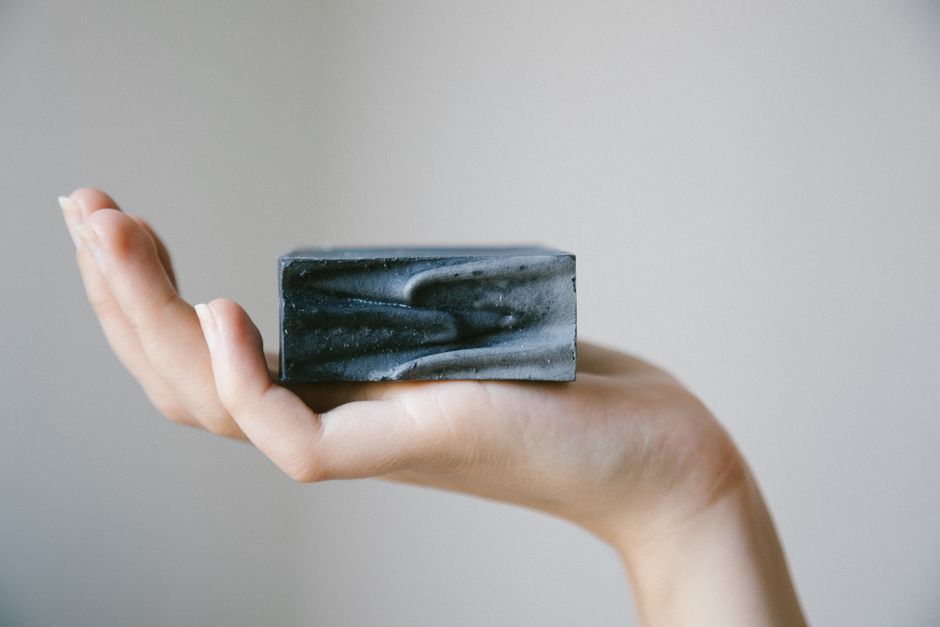
Activated charcoal is a fine black powder made from burned wood, coconut shells, peat, or other carbon-rich material. It is treated at high heat with gases or chemicals to create millions of tiny pores. Those pores give it an enormous surface area. That surface area is the whole point. Activated charcoal works by binding to certain chemicals and keeping them from being absorbed in the gut. It does not work like a magnet for everything you swallow. It is not a detox for your whole body. Understanding what it actually binds — and what it does not — clears up most of the confusion around it.
What Activated Charcoal Does in the Body
Activated charcoal adsorbs. That is a different word from absorb, and the difference matters. Adsorption means molecules stick to the surface of the charcoal. Absorption means they soak into it like a sponge. Charcoal does the first one.
When you swallow activated charcoal, it travels through your digestive tract mostly unchanged. It is not digested and it is not absorbed into your bloodstream in any meaningful way. Along the way, certain molecules in your gut stick to its surface. Those bound molecules then pass out of your body in stool instead of crossing into your blood.
The key word is certain. Charcoal is not selective about everything, but it is not universal either. It binds well to many organic compounds and some drugs. It binds poorly to metals like iron and lithium, to alcohols like ethanol and methanol, and to strong acids and bases. This is why it is not a universal antidote, even though it is often described that way.
Timing is everything. Charcoal only helps if it reaches the drug or poison before that substance is absorbed into the bloodstream. Once a substance is in your blood, charcoal in your gut cannot reach it. It cannot pull chemicals back out of your circulation. This single fact explains why activated charcoal is a medical tool used in specific situations, not a daily supplement.
Why Do Hospitals Use Activated Charcoal for Poisoning?
Activated charcoal is a standard treatment in emergency medicine for certain types of poisoning and drug overdose. It is given by mouth or through a stomach tube, usually in a hospital or emergency setting. The goal is to bind the drug in the stomach and intestines before it gets into the bloodstream.
It works best within the first hour after ingestion, when the substance is still in the stomach or upper intestine. After that window, absorption is often well underway, and the benefit drops. Even within that window, charcoal does not help with every poison. Emergency clinicians assess what was taken, how much, and how long ago before deciding whether charcoal is appropriate.
Charcoal is not given for everything. It has poor or no binding for:
- Metals such as iron and lithium
- Alcohols including ethanol and methanol
- Strong acids and alkalis
- Some electrolytes like sodium and potassium
For these substances, charcoal offers little benefit, and giving it can delay other treatments or cause harm. This is why poisoning treatment is a clinical decision, not a home remedy. If someone has swallowed something dangerous, the right move is to call Poison Control or emergency services — not to reach for a charcoal product.
Does Activated Charcoal Detox Your Body?
No. The idea that activated charcoal “detoxes” your body is not supported by evidence. Your body already has a detox system — your liver and kidneys. They process and clear waste continuously. Charcoal taken by mouth does not enter your bloodstream, so it cannot reach your organs, your blood, or your tissues to remove anything there.
The confusion likely comes from charcoal’s real medical use. In a hospital, charcoal does bind a drug or poison in the gut. But that is a specific, time-sensitive, clinically supervised situation. It is not the same as swallowing a charcoal capsule to “clean out” your system after a weekend of eating or drinking.
There is no clinical evidence that activated charcoal removes toxins from a healthy person’s body, improves digestion, or boosts energy. The marketing around detox products often borrows the language of emergency medicine and applies it to everyday wellness. That is a stretch the evidence does not support.




Can Activated Charcoal Help With Gas or Bloating?
This is one of the few everyday uses with some research behind it. Activated charcoal has been studied for reducing intestinal gas. Some studies suggest it may reduce gas symptoms in certain situations, though results vary and the effect is generally modest.
The evidence is mixed. Some trials show a small benefit for gas and bloating, while others show little difference from a placebo. Charcoal does not treat the cause of gas — it may bind some gas molecules in the gut, but it does not change how your digestive system produces gas in the first place.
If you have persistent bloating or gas, the underlying cause matters more than the symptom. Diet, food intolerances, and digestive conditions are common drivers. Charcoal is not a treatment for any of those. It is, at best, a short-term measure some people try, and the evidence for it is not strong.
Does Activated Charcoal Interact With Medications?
Yes, and this is a real concern. Because charcoal binds to many substances in the gut, it can bind to medications you take by mouth. If it binds a medication, that drug may not be absorbed properly, which means it may not work as well.
This applies to a wide range of oral drugs, including some antidepressants, birth control pills, blood thinners, and medications for heart conditions, among others. The interaction depends on the specific drug and the timing. Charcoal can also reduce the absorption of nutrients and vitamins from food if taken around meals.
Because of this, activated charcoal is not something to take casually alongside prescription medications. If you take any daily medication and are considering charcoal, that is a question for a pharmacist or doctor. They can tell you whether it interferes with what you take. This is not a theoretical risk — reduced drug absorption from charcoal is well documented.
Is Activated Charcoal Safe to Take?
For most healthy adults, occasional use of activated charcoal is not considered dangerous. But “not dangerous” is not the same as “useful,” and it is not the same as “safe for everyone.”
Common side effects include constipation, black stools, nausea, and vomiting. Black stools can also mask signs of internal bleeding, which is a problem if you are being evaluated for a digestive issue. Charcoal can cause bowel blockages in rare cases, especially with repeated or high-dose use.
Certain groups should be more cautious. Charcoal can reduce absorption of nutrients and medications, which matters for anyone with a health condition or on regular treatment. There is no established dosing guidance for using activated charcoal as a general wellness supplement in pregnancy, breastfeeding, or in children, and it should not be given to these groups without medical direction. In emergency poisoning situations, charcoal is given under clinical supervision, not at home.
The honest position: activated charcoal has a clear, well-established role in emergency medicine for specific poisonings. Its role as an everyday supplement is far weaker, and much of what is sold as a “detox” product is not backed by evidence.
What Activated Charcoal Does Not Do
It does not whiten teeth by removing stains deep in the enamel. Some people use charcoal toothpaste for surface stains, but there is no strong evidence it works better than regular toothpaste, and abrasive charcoal can wear down enamel over time.
It does not cure a hangover. Charcoal does not bind alcohol well, and by the time a hangover starts, the alcohol is already absorbed and processed. Taking charcoal after drinking does not undo the effects.
It does not replace medical care for poisoning. If you or someone else has swallowed a potential poison or too much medication, call Poison Control or emergency services right away. Do not try to treat it with a home charcoal product.
It does not filter everything in a water pitcher either, despite some marketing claims. Different filters use different materials for different purposes, and charcoal’s binding is not universal.
Frequently Asked Questions
What does activated charcoal do in the body?
It binds to certain drugs, poisons, and other molecules in the gut so they pass out in stool instead of being absorbed into the bloodstream. It does not enter the bloodstream in any meaningful way, so it cannot detox your whole body.
Does activated charcoal really detox you?
No. There is no clinical evidence that activated charcoal removes toxins from a healthy person’s body. Your liver and kidneys handle that job, and charcoal taken by mouth never reaches them.
How long after poisoning is activated charcoal effective?
It works best within the first hour after ingestion, while the substance is still in the stomach or upper intestine. After that, absorption is often underway and the benefit drops, so it is a decision made by emergency clinicians.
Can activated charcoal stop my medications from working?
Yes, it can bind oral medications in the gut and reduce how much your body absorbs. If you take daily medication, ask a pharmacist or doctor before using charcoal.
