
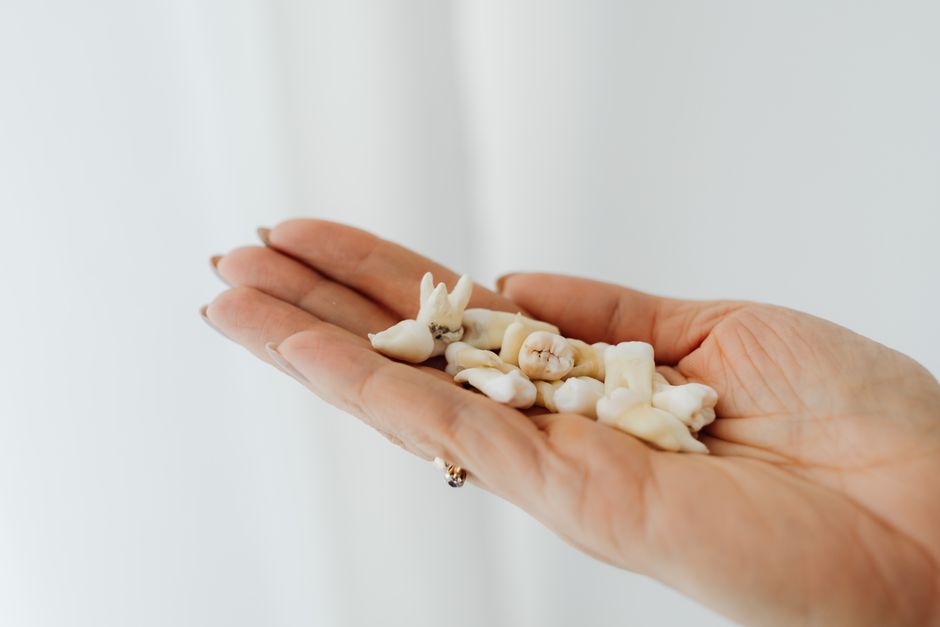
Wisdom teeth are the last molars at the back of your mouth, and they usually come in between ages 17 and 25. For many people, they cause problems. For others, they do not. The answer to whether you should get them removed depends on your specific situation, not on a general rule. Research from the American Association of Oral and Maxillofacial Surgeons shows that about 85 percent of wisdom teeth will eventually need to be removed. But that does not mean everyone needs surgery right away. The key is looking at your own teeth, your symptoms, and what your dentist or oral surgeon actually finds on an X-ray.
What Problems Do Wisdom Teeth Actually Cause?
Wisdom teeth can cause several real problems. The most common issue is impaction. This means the tooth cannot fully break through the gum because there is not enough space. Impacted wisdom teeth can push against other molars, causing crowding or damage to nearby teeth. They can also lead to infections, cysts, or even damage to the jawbone over time.
Another frequent problem is pericoronitis. This is an infection of the gum tissue around a partially erupted wisdom tooth. It causes pain, swelling, and sometimes a bad taste in your mouth. The CDC reports that pericoronitis is one of the most common reasons people visit an emergency dentist. If you have had this infection more than once, removal is usually recommended.
Decay is also common. Wisdom teeth sit so far back that they are hard to clean properly. Plaque builds up easily, and cavities form faster than on other teeth. If a wisdom tooth has a large cavity that cannot be filled, pulling it is often the only option.
Should You Get Wisdom Tooth Removed If They Are Not Causing Pain?
This is where things get less clear. Many people have wisdom teeth that are fully erupted, straight, and healthy. They cause no pain and no visible problems. In these cases, some dentists recommend watching and waiting instead of removing them. The National Institutes of Health has funded studies comparing removal versus monitoring for symptom-free wisdom teeth. The evidence so far suggests that monitoring is a reasonable choice for many people.
However, there is a catch. Even painless wisdom teeth can cause hidden problems. X-rays sometimes show cysts forming around the tooth or damage to the root of the second molar that has already started. A 2020 study in the Journal of Oral and Maxillofacial Surgery found that about 12 percent of people with symptom-free wisdom teeth had silent pathology — meaning a problem that showed up on X-ray but caused no pain. Your dentist needs to look at your X-rays to decide.
Age also matters. The American Dental Association notes that removing wisdom teeth is easier and heals faster when you are younger, usually in your late teens or early twenties. The roots are not fully formed, the bone is softer, and recovery is quicker. If you are over 30 and your wisdom teeth are healthy and problem-free, the risk of surgery may be higher than the risk of keeping them.
What Does the Research Say About Timing of Removal?
Studies have looked at whether removing wisdom teeth early prevents future problems. The strongest evidence comes from a long-term study published in the British Journal of Oral and Maxillofacial Surgery. Researchers followed people who kept their wisdom teeth for years. They found that about 60 percent of people who kept them eventually developed a problem that required removal. But that also means 40 percent never did. So the decision is not simple.
For younger people, the argument for early removal is stronger. The bone is less dense, the roots are shorter, and the recovery is faster. A 2019 review in the Cochrane Database of Systematic Reviews found that people who had wisdom teeth removed in their teens had fewer complications than those who waited until their thirties. The review also noted that the risk of nerve damage — a rare but serious complication — is lower when roots are not fully formed.
For older adults, the calculus changes. If you are 40 and your wisdom teeth are healthy and symptom-free, the risk of surgery may be higher than the risk of keeping them. The chance of complications like dry socket, infection, or nerve injury increases with age. Some people keep their wisdom teeth their whole lives with no issues. There is no one-size-fits-all answer.





What Are the Risks of Wisdom Tooth Removal?
Removing wisdom teeth is surgery, and surgery carries risks. The most common side effect is pain and swelling, which usually peaks in the first 48 hours. Dry socket happens in about 2 to 5 percent of cases. This is when the blood clot that forms in the socket gets dislodged, exposing the bone underneath. It is very painful but treatable.
Nerve damage is a more serious but rare complication. The inferior alveolar nerve runs near the roots of lower wisdom teeth. If damaged, it can cause numbness or tingling in your lower lip, chin, or tongue. This is usually temporary but can be permanent in about 0.1 to 1 percent of cases. A 2018 study in the Journal of Oral and Maxillofacial Surgery found that the risk is higher when the tooth is deeply impacted or when the roots wrap around the nerve. Your surgeon can see this on a 3D X-ray called a cone beam CT scan and warn you before surgery.
Infection after removal happens in about 1 to 3 percent of cases. It is treated with antibiotics. Bleeding that does not stop is rare but possible. Some people also have trouble opening their mouth fully for a few days due to muscle stiffness. These are all manageable, but they are real risks you need to know about.
How Do You Know If Removal Is Right for You?
Your dentist or oral surgeon will use X-rays and a clinical exam to decide. Here is what they look for:
- Impaction: Is the tooth angled or trapped under the gum? Impacted teeth are more likely to cause problems.
- Crowding: Is there enough room for the tooth to come in without pushing other teeth? Crowding can undo years of orthodontic work.
- Cavities or gum disease: Can the tooth be cleaned well? If not, decay is almost certain.
- Cysts or tumors: X-rays sometimes show fluid-filled sacs around the tooth that can damage bone.
- Your age and health: Younger, healthier people tolerate surgery better. Older people or those with medical conditions may have higher risks.
If you have had repeated infections, pain, or damage to nearby teeth, removal is usually recommended. If you have no symptoms and your X-rays look clean, you may be able to keep them. The decision should be shared between you and your dentist. Do not let anyone pressure you into surgery you do not need. But also do not ignore a dentist who shows you real evidence of a problem.
Here is a quick comparison to help you weigh your options:
| Situation | Likely Recommendation | Why |
|---|---|---|
| Impacted, causing pain or infection | Remove | Risk of ongoing problems is high |
| Fully erupted, healthy, easy to clean | Monitor | Low risk of future issues |
| Partially erupted, hard to clean | Consider removal | High risk of decay and infection |
| No symptoms but X-ray shows cyst | Remove | Silent damage can worsen over time |
| Over 30, no symptoms, healthy gums | Monitor | Surgery risks may outweigh benefits |
What Happens During and After the Procedure?
The procedure itself is straightforward. You will receive local anesthesia, sedation, or general anesthesia depending on the complexity and your preference. The surgeon makes a small cut in the gum, removes the tooth, and stitches the area if needed. The whole thing usually takes 30 to 60 minutes for all four teeth.
Recovery takes about 3 to 7 days for most people. You will have some swelling and discomfort, which is managed with ice packs and pain relievers. The American Dental Association recommends sticking to soft foods for the first few days and avoiding straws, which can cause dry socket. You should also avoid smoking and vigorous rinsing. Most people are back to normal activities within a week, though full healing of the bone takes several months.
One thing many people do not realize is that the recovery period does not feel the same for everyone. Some people bounce back in two days. Others take two weeks. Your age, the position of your teeth, and whether you follow aftercare instructions all matter. If you have a job that involves talking a lot, like teaching or sales, plan for a few extra days off. If you work from home, you may be fine sooner.
What Are Common Misconceptions About Wisdom Teeth Removal?
One big myth is that everyone needs their wisdom teeth removed. That is not true. Many people keep them with no issues. The decision should be based on your specific situation, not a blanket rule. Another myth is that removal will make your other teeth shift. Research shows that wisdom teeth do not cause crowding of the front teeth. Crowding happens naturally as you age, and removing wisdom teeth does not prevent it.
Some people believe that recovery is always painful and long. While some discomfort is normal, most people manage well with over-the-counter pain relievers. Severe pain is not typical and should be reported to your surgeon. Another misconception is that you should wait until you have symptoms to remove them. Waiting can make the surgery harder and recovery longer. If your dentist shows you evidence of a problem on X-ray, it is better to act early.
Finally, do not believe that removal is always expensive. Many dental insurance plans cover wisdom tooth removal, especially if it is medically necessary. Check your plan before deciding. If cost is a concern, talk to your dentist about payment options or dental schools that offer lower-cost care.
Frequently Asked Questions
Is it always necessary to remove wisdom teeth?
No. If your wisdom teeth are healthy, fully erupted, easy to clean, and not causing any problems, you may be able to keep them. Your dentist will decide based on X-rays and your symptoms.
What is the best age to get wisdom teeth removed?
The best age is usually between 17 and 25. The roots are not fully formed, the bone is softer, and recovery is faster. Surgery is still possible later but carries higher risks.
How long does it take to recover from wisdom tooth removal?
Most people recover in 3 to 7 days. Swelling and discomfort peak in the first 48 hours and improve quickly. Full bone healing takes several months.
Can wisdom teeth cause problems even if they don’t hurt?
Yes. X-rays sometimes show cysts, damage to nearby teeth, or bone loss that causes no pain. These silent problems can worsen over time if not addressed.
