
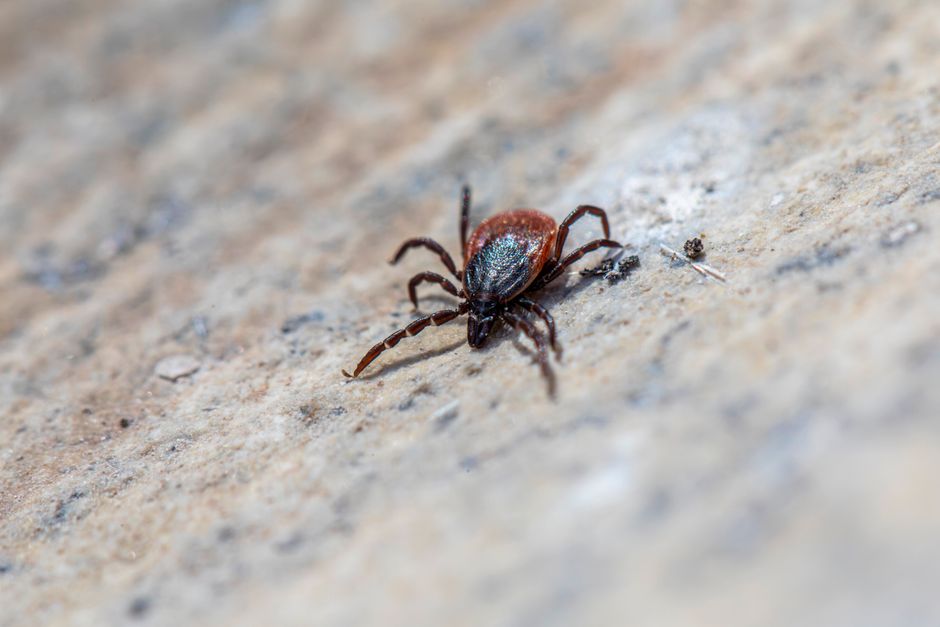
Alpha-gal syndrome is a food allergy to a sugar found in most mammal meat, and it is triggered by the bite of a lone star tick. Unlike typical food allergies, reactions often start three to six hours after eating, not within minutes. The condition was first recognized in the United States in the mid-2000s, and reported cases have risen since then, though researchers still debate how much of that rise reflects true spread versus better testing and awareness.
What Is Alpha Gal Syndrome The Tick Bite Meat Allergy?
Alpha-gal is short for galactose-alpha-1,3-galactose, a carbohydrate molecule present in the tissues of non-primate mammals. Beef, pork, lamb, venison, rabbit, and goat all contain it. So do some products made from mammal tissues, including gelatin and certain medications and medical devices.
Humans do not make alpha-gal. When the lone star tick bites a person, it introduces alpha-gal into the body along with its saliva. In some people, the immune system responds by producing IgE antibodies against alpha-gal. Once those antibodies exist, eating mammal meat can trigger an allergic reaction as the sugar enters the bloodstream.
The distinctive feature is timing. Most food allergies cause symptoms within minutes because the proteins involved are absorbed quickly through the digestive tract. Alpha-gal is a sugar attached to fats and proteins, and it takes hours to be absorbed and reach the cells that release histamine. That delay is why alpha-gal syndrome is sometimes called a delayed allergy, and why people often fail to connect their symptoms to the meal that caused them.
It is not the same as a meat protein allergy. Some people react to proteins in beef or pork, and those reactions happen fast. Alpha-gal syndrome specifically involves the sugar, and that distinction matters for diagnosis and for which foods and products a person needs to consider.
How Does a Tick Bite Cause a Meat Allergy?
The lone star tick, Amblyomma americanum, is the tick most strongly linked to alpha-gal syndrome in the United States. It is found mainly in the Southeast, the Midwest, and parts of the Northeast. Adult females have a white spot on their back, which gives the tick its name.
Tick saliva contains alpha-gal, likely because the tick has fed on mammals and incorporated the molecule into its biology. When the tick bites a human, the immune system sees alpha-gal in a context that promotes an allergic-type response. Why some people develop IgE antibodies and others do not is not fully understood. Genetics, the number of tick bites, and repeated exposure are all thought to play a role, but the evidence is not complete.
Other tick species have been investigated as possible triggers. In Europe, Australia, and parts of Asia, different ticks have been associated with alpha-gal syndrome, and the condition has been reported on multiple continents. The geographic overlap between where lone star ticks live and where alpha-gal syndrome is diagnosed is strong, which supports the tick link even though the exact mechanism is still being studied.
One point that gets lost in online discussions: not everyone bitten by a lone star tick develops alpha-gal syndrome. Most people who are bitten do not. The syndrome appears to require a specific immune response that not everyone mounts.
What Are the Symptoms of Alpha Gal Syndrome?
Symptoms vary widely. Some people have mild reactions. Others have severe ones. The most common symptoms include:
- Hives or itchy rash
- Swelling of the lips, tongue, or throat
- Stomach pain, nausea, vomiting, or diarrhea
- Heartburn or indigestion
- Shortness of breath or wheezing
- A drop in blood pressure, which can cause dizziness or fainting
Anaphylaxis, a severe and potentially life-threatening reaction, can occur. Alpha-gal syndrome is one of the few food allergies where anaphylaxis is a real risk, and some people experience it repeatedly before the diagnosis is made because the delayed timing makes the cause hard to spot.
The delay is the key clue. Symptoms typically begin two to six hours after eating mammal meat. Some people react to smaller amounts than others. Some react to dairy, gelatin, or medications containing mammal-derived ingredients, though this is less common than reactions to meat itself. Reactions can also vary from one exposure to the next, which makes the condition frustrating and sometimes hard to confirm.
Notably, some people with alpha-gal antibodies have no symptoms at all. A positive blood test alone does not mean a person has the syndrome. The diagnosis requires both the antibody and a compatible history.





How Is Alpha Gal Syndrome Diagnosed?
Diagnosis starts with a detailed history. A doctor will ask about tick bites, where the person lives or has traveled, what they ate before symptoms started, and how long after eating the symptoms appeared. That timeline is often the most useful piece of information.
Blood testing looks for IgE antibodies specific to alpha-gal. A positive result supports the diagnosis when combined with a history of reactions after eating mammal meat. A negative result does not always rule it out, because antibody levels can change over time and testing is not perfect.
Allergy skin testing with alpha-gal is used in some settings, but it is not as widely standardized as blood testing for this condition. Some specialists also use component testing to look at specific antibody patterns, though the role of these tests in routine diagnosis is still being worked out.
A common problem is that people see multiple doctors before the diagnosis is made. The delayed symptoms, the lack of a clear trigger at the time of the reaction, and the fact that many clinicians are not familiar with the condition all contribute to delays. Awareness has improved, but it is still uneven across different parts of the country.
How Is Alpha Gal Syndrome Managed?
There is no cure and no treatment that removes the allergy. Management focuses on avoiding the trigger and being prepared for reactions.
Avoiding mammal meat is the main step. That means beef, pork, lamb, venison, goat, and rabbit. Some people also need to avoid dairy, gelatin, and other mammal-derived products, but this varies. A doctor or dietitian can help sort out what is necessary for an individual.
Poultry and fish do not contain alpha-gal, so chicken, turkey, and seafood are generally safe for people with this allergy. That gives a wide range of protein options, though cross-contamination and ingredient labels still require attention.
For reactions, antihistamines can help with mild symptoms. Epinephrine is the treatment for severe reactions, and people with a history of anaphylaxis are typically prescribed an auto-injector to carry at all times. Anyone who has had a severe reaction should have a plan worked out with their doctor.
Some people find that their antibody levels fall over time if they avoid further tick bites, and their reactions may lessen or stop. Others continue to react for years. The evidence on how often this happens is limited, and no one can predict the course for a given person. Avoiding new tick bites is recommended because additional bites may keep the immune response going.
Can Alpha Gal Syndrome Be Prevented or Outgrown?
Preventing tick bites is the most direct way to reduce risk. That means using tick repellent, wearing long sleeves and pants in wooded or grassy areas, checking for ticks after being outdoors, and removing attached ticks promptly. The longer a tick stays attached, the more opportunity there is for the immune system to be exposed to tick saliva.
Whether the condition resolves on its own is not fully settled. Some case reports and small studies describe people whose alpha-gal antibodies declined and who could eventually eat mammal meat again without symptoms. Other people remain allergic for years. There is no reliable way to predict which path a person will take, and no test that confirms the allergy has resolved. Anyone considering reintroducing mammal meat should do so with medical guidance, because a previous mild reaction does not guarantee the next one will be mild.
One clarification worth making: alpha-gal syndrome is not the same as a red meat allergy caused by a different mechanism, and it is not the same as a sensitivity to meat that some people report without IgE antibodies. Those are different situations, and lumping them together leads to confusion about what the evidence actually shows.
Frequently Asked Questions
What is alpha gal syndrome in simple terms?
It is an allergy to a sugar called alpha-gal that is found in most mammal meat, triggered by a lone star tick bite. Reactions usually start several hours after eating rather than within minutes.
Can alpha gal syndrome go away on its own?
Some people’s antibody levels fall over time and their reactions lessen or stop, but others remain allergic for years. There is no reliable way to predict which will happen, so any decision to eat mammal meat again should be made with a doctor.
Which foods should someone with alpha gal syndrome avoid?
Beef, pork, lamb, venison, goat, and rabbit are the main foods to avoid. Some people also react to dairy, gelatin, or mammal-derived ingredients, but this varies and should be discussed with a doctor or dietitian.
Is alpha gal syndrome the same as a beef allergy?
No. A beef allergy involves proteins in beef and usually causes symptoms within minutes. Alpha-gal syndrome involves a sugar found in many mammal meats and typically causes delayed symptoms.
