
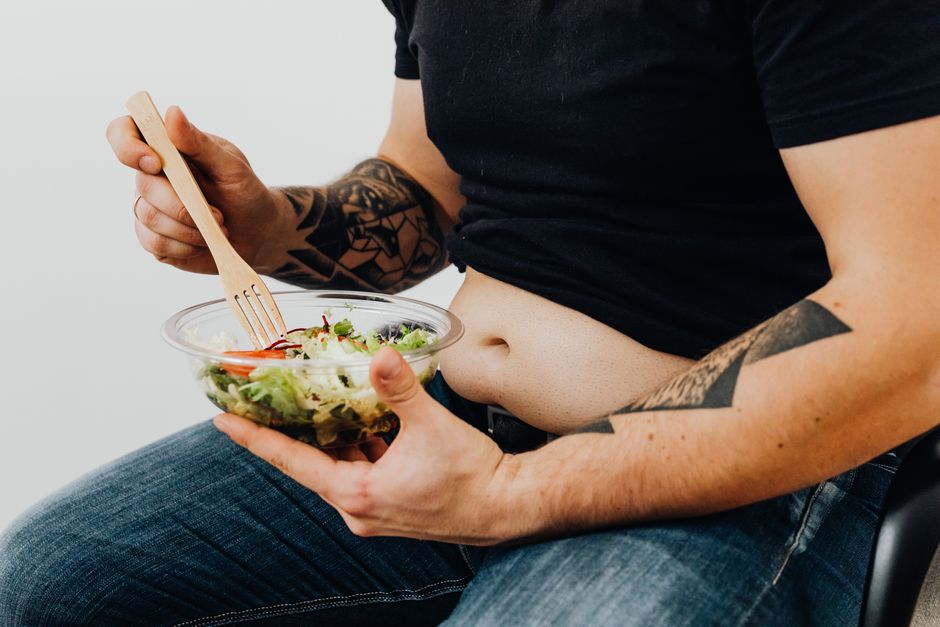
Oliver Tree, the musician known for his bowl cuts and eccentric style, lost a significant amount of weight. The change was visible to fans. It sparked a lot of questions about how he did it. The short answer is that he focused on diet changes and consistent exercise. There is no secret pill or magic trick. He has been open about cutting out junk food and working out regularly. This article looks at what he did and what the science says about similar approaches.
What Did Oliver Tree Actually Do to Lose Weight?
Oliver Tree has shared details about his weight loss in interviews and on social media. He stopped eating fast food. He cut out sugary drinks. He started lifting weights and doing cardio. That is the core of his approach. It is not a fancy program. It is basic nutrition and exercise done consistently.
He has mentioned eating a high-protein diet. This helps with muscle growth and feeling full. Protein takes more energy to digest than carbs or fat. This is called the thermic effect of food. It is a real but small benefit. The bigger effect is that protein keeps you satisfied. You are less likely to overeat later.
He also stopped drinking alcohol for a period. Alcohol provides empty calories. It also lowers inhibitions around food. People tend to eat more when they drink. Cutting alcohol is one of the fastest ways to cut calories without feeling deprived.
Does Oliver Tree Weight Loss Work for the Average Person?
The methods Oliver Tree used are not unique to him. Eating less processed food and exercising more works for most people. Research supports this. A 2018 study in the journal Obesity found that cutting 500 to 750 calories per day leads to consistent weight loss. That is about one to one and a half pounds per week.
But there is a catch. Oliver Tree is a performer. He has trainers and nutritionists available. He can structure his schedule around workouts. Most people have jobs, kids, and other obligations. The same approach works, but it takes more planning.
Some people report that they followed the same steps and did not see the same results. That is normal. Genetics play a role. So does starting weight. A person who is 50 pounds overweight will lose weight faster than someone who is 20 pounds overweight. The same diet and exercise plan produces different results for different bodies.
What Does Research Say About Rapid Weight Loss Methods?
Oliver Tree lost weight over several months. It was not overnight. But some people want faster results. Current research suggests that rapid weight loss is possible but risky. A 2020 review in Nutrients found that very low-calorie diets (under 800 calories per day) cause rapid weight loss. But they also cause muscle loss, gallstones, and nutrient deficiencies.
The body adapts to calorie restriction. Metabolism slows down. This is called adaptive thermogenesis. It is the body’s way of conserving energy. When you eat very little, your body burns fewer calories. This makes it harder to keep losing weight. It also makes it easier to regain weight when you start eating normally again.
Oliver Tree did not use extreme calorie restriction. He cut out junk food and ate more protein. That is a moderate approach. It avoids the metabolic crash that comes with crash diets. If you want results like his, slow and steady is the safer path.





What Are the Common Mistakes People Make Trying This?
The biggest mistake is copying the diet without understanding the context. Oliver Tree is a young man with high activity levels. His calorie needs are higher than a sedentary office worker. Following his exact meal plan would not work for everyone.
Another mistake is skipping strength training. Cardio burns calories during the workout. Strength training builds muscle. Muscle burns more calories at rest. A pound of muscle burns about 6 calories per day. A pound of fat burns about 2 calories per day. Over time, that difference adds up.
A third mistake is not tracking food accurately. People underestimate calories by 30 to 50 percent on average. This is well documented in nutrition research. A 2019 study in the American Journal of Clinical Nutrition found that people who used food scales lost more weight than those who eyeballed portions. You do not need to weigh everything forever. But doing it for a few weeks teaches you what real portions look like.
What Should You Actually Do Instead?
Start with small changes. Cut one junk food item per week. Replace soda with water. Add a 20-minute walk to your day. These changes feel manageable. They build momentum.
Track your calories for one week. Use an app or a notebook. Do not change anything yet. Just see what you are eating. Most people are surprised by how many calories come from drinks and snacks. This gives you a starting point.
Add strength training twice per week. You do not need a gym. Bodyweight exercises like push-ups, squats, and lunges work. Aim for 8 to 12 reps per set. Rest 60 seconds between sets. This builds muscle and raises your metabolism over time.
Get enough sleep. Sleep deprivation raises cortisol levels. Cortisol is a stress hormone that promotes fat storage, especially in the belly. A 2022 study in JAMA Internal Medicine found that people who slept less than 6 hours per night ate an average of 385 more calories the next day. Sleep is not optional for weight loss.
| Approach | Calorie Reduction | Typical Weekly Loss | Muscle Preservation |
|---|---|---|---|
| Oliver Tree style | 300-500 per day | 1-2 pounds | Good with strength training |
| Very low-calorie diet | 800 or less per day | 3-5 pounds | Poor, significant muscle loss |
| Standard diet plus exercise | 500-750 per day | 1-2 pounds | Moderate without strength work |
What About Supplements or Quick Fixes?
There is no supplement that causes significant weight loss on its own. The supplement industry is largely unregulated. Many products contain ingredients that have not been tested for safety or effectiveness.
Caffeine and green tea extract have modest effects. They increase energy expenditure by about 4 to 5 percent. That is roughly 50 to 80 calories per day. Not nothing, but not enough to cause noticeable weight loss without diet changes.
Glucomannan is a fiber supplement that expands in the stomach. It can help with fullness. Some studies show it reduces appetite. But it must be taken with plenty of water. It can cause choking or blockages if not taken correctly.
As of 2026, there is no clinical evidence that any over-the-counter supplement produces weight loss comparable to diet and exercise changes. If a product promises rapid weight loss without effort, it is likely a scam.
Frequently Asked Questions About Oliver Tree Weight Loss
Did Oliver Tree use any weight loss drugs?
He has not publicly stated that he used prescription weight loss drugs. His described methods were diet and exercise only.
How much weight did Oliver Tree lose?
He lost a noticeable amount of weight, though he has not given an exact number. Fan estimates range from 30 to 50 pounds based on before and after photos.
How long did it take Oliver Tree to lose weight?
He did not give a specific timeline. Based on his social media posts, the change happened over several months, not weeks.
Can I lose weight the same way Oliver Tree did?
Yes, the methods he used are standard and effective. Cut processed food, eat more protein, and exercise regularly. Results vary by person.
