
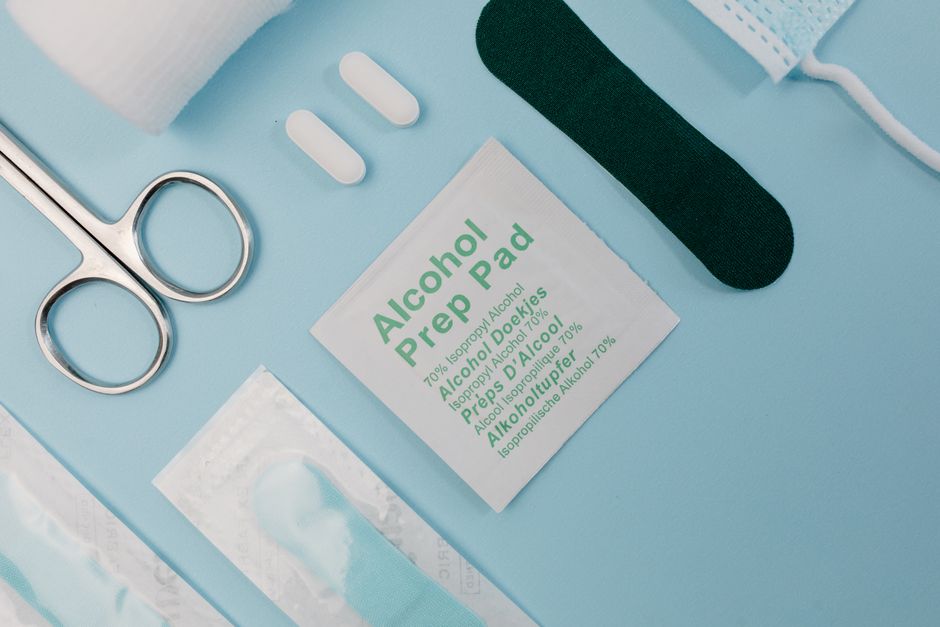
Isopropyl alcohol and isopropyl rubbing alcohol are essentially the same chemical compound, but they are not always the same product. The key difference is that rubbing alcohol is a consumer product that contains isopropyl alcohol mixed with water and sometimes other ingredients. Pure isopropyl alcohol is typically sold at higher concentrations, while rubbing alcohol is usually diluted to about 70% or 91% strength for household and first-aid use.
Is Isopropyl Alcohol the Same as Rubbing Alcohol?
Yes, the active ingredient is identical. Both products contain isopropyl alcohol, also known as isopropanol. The chemical formula is the same: C₃H₈O.
The difference comes down to what else is in the bottle. Pure isopropyl alcohol is just the chemical compound. Rubbing alcohol is a prepared solution that typically contains isopropyl alcohol, water, and sometimes stabilizers or denaturants. In the United States, the term “rubbing alcohol” is regulated by the FDA as a specific consumer product category.
Most rubbing alcohol sold in drugstores contains 70% isopropyl alcohol. Some brands sell 91% or 99% concentrations, but these are still labeled as isopropyl alcohol rather than rubbing alcohol in many cases.
What Are the Different Concentrations and What Do They Mean?
The percentage on the label tells you how much isopropyl alcohol is in the solution. The rest is water.
- 70% isopropyl alcohol — Contains 70% alcohol and 30% water. This is the most common concentration for rubbing alcohol.
- 91% isopropyl alcohol — Contains 91% alcohol and 9% water. Often sold as a stronger antiseptic option.
- 99% isopropyl alcohol — Nearly pure alcohol with minimal water. Commonly used for electronics cleaning and industrial purposes.
The concentration matters more than most people realize. For disinfecting surfaces and skin, 70% is actually more effective than higher concentrations. The water in the 70% solution helps the alcohol penetrate bacterial cell walls more slowly, which gives it more time to destroy the bacteria. Higher concentrations evaporate too quickly and can actually be less effective at killing germs.
For cleaning electronics, 99% is preferred because it evaporates quickly and leaves no residue. The small amount of water in lower concentrations can damage sensitive components if it seeps into crevices.
Isopropyl Alcohol Vs Isopropyl Rubbing Alcohol: Which One Should You Buy?
Your choice depends entirely on what you plan to use it for.
For first aid and skin disinfection, buy 70% rubbing alcohol. This is the concentration that healthcare settings use for preparing skin before injections. It kills bacteria effectively without evaporating too quickly. It is also gentler on skin than higher concentrations.
For household cleaning and surface disinfection, 70% is again the better choice. The extra water content keeps the alcohol on surfaces longer, improving its antimicrobial effect.
For electronics, optical lenses, or removing thermal paste, choose 99% isopropyl alcohol. The lack of water makes it safe for components that should not get wet. It evaporates completely within seconds.
For removing sticky residue or cleaning glass, either concentration works. Higher concentrations evaporate faster and leave fewer streaks.
One important note: check the label for additional ingredients. Some rubbing alcohol products contain additives like wintergreen oil or glycerin to make them smell better or feel less drying on skin. These additives make the product unsuitable for cleaning electronics or other sensitive surfaces.





Can You Use Them Interchangeably?
In most everyday situations, yes. If you have 91% isopropyl alcohol and the instructions call for rubbing alcohol, you can use it. The chemical action is the same.
The exceptions are situations where the concentration or additives matter.
If you are disinfecting a wound, 70% is the appropriate strength. Using 91% or 99% can actually be less effective and more irritating to tissue. The higher concentrations coagulate proteins on the skin surface too quickly, forming a protective layer that shields bacteria underneath.
If you are cleaning electronics, never use rubbing alcohol that contains added moisturizers or fragrances. The residue these additives leave behind can damage components. Use pure isopropyl alcohol at 91% or 99%.
If you are using alcohol for a specific medical purpose, follow the instructions from your healthcare provider. They may specify a particular concentration for a reason.
What Are the Safety Considerations?
Isopropyl alcohol is flammable. Keep it away from open flames, sparks, and hot surfaces. Do not use it near a lit stove or while smoking.
Isopropyl alcohol is toxic if swallowed. Even small amounts can cause serious harm. It is not the same as drinking alcohol and should never be consumed. Store it out of reach of children.
Inhalation of concentrated isopropyl alcohol vapors can cause dizziness, headache, and nausea. Use it in well-ventilated areas, especially when using higher concentrations or larger amounts.
On skin, isopropyl alcohol is drying. Frequent use can strip natural oils and cause irritation, especially at concentrations above 70%. Some people develop contact dermatitis from repeated exposure.
Do not use isopropyl alcohol on open wounds deeper than minor scrapes. It can damage tissue and delay healing. For serious wounds, clean with soap and water and seek medical care if needed.
Isopropyl alcohol should not be used as a fever reducer or ingested for any reason. This is a dangerous practice that can cause poisoning.
Common Myths About Rubbing Alcohol
One widespread myth is that higher concentrations of isopropyl alcohol always work better. This is false for disinfection. As mentioned, 70% is the optimal concentration for killing bacteria on skin and surfaces. The water content slows evaporation, allowing more contact time with microorganisms.
Another myth is that rubbing alcohol can effectively treat head lice. Some evidence suggests it can kill lice on contact, but it is not a recommended treatment. It does not reliably kill lice eggs, and it can irritate the scalp. Over-the-counter lice treatments are safer and more effective.
Some people believe rubbing alcohol can bring down a fever when applied to the skin. This is dangerous and ineffective. The alcohol can be absorbed through the skin and cause poisoning, especially in children. Never use rubbing alcohol for this purpose.
There is also a belief that isopropyl alcohol can be used to clean wounds because it kills bacteria. While it does kill bacteria, it also damages healthy tissue and can slow the healing process. Clean water and mild soap are better for wound cleaning. Antiseptic solutions designed for wound care are preferable if disinfection is needed.
How Should You Store Isopropyl Alcohol?
Store isopropyl alcohol in its original container with the cap tightly closed. Keep it in a cool, dry place away from heat sources and direct sunlight.
The shelf life of isopropyl alcohol is roughly three years from the manufacturing date. Over time, the alcohol can evaporate, especially if the container is not sealed properly. If the concentration drops significantly, the product becomes less effective for disinfection.
Check the bottle periodically for signs of evaporation or contamination. If the alcohol has an unusual smell or appearance, discard it properly.
Do not pour isopropyl alcohol down the drain in large quantities. Check your local waste disposal guidelines. Small amounts used for cleaning are generally acceptable to dispose of with household waste after evaporation.
Frequently Asked Questions
Is 91% isopropyl alcohol the same as rubbing alcohol?
Yes, 91% isopropyl alcohol is a type of rubbing alcohol. The term “rubbing alcohol” covers isopropyl alcohol solutions typically sold at 70% or 91% concentrations for consumer use.
Can I use 99% isopropyl alcohol on my skin?
You can, but it is not recommended. The 99% concentration evaporates too quickly to be an effective disinfectant and is more drying and irritating to skin than 70% solutions.
Why is 70% alcohol better than 91% for disinfection?
The water in 70% alcohol slows evaporation and helps the alcohol penetrate bacterial cell walls more effectively. Higher concentrations coagulate surface proteins too quickly, which can protect bacteria underneath.
Is isopropyl alcohol safe to use as a hand sanitizer?
Yes, isopropyl alcohol is an active ingredient in many hand sanitizers. The CDC recommends hand sanitizers contain at least 60% alcohol to be effective against most germs.
