
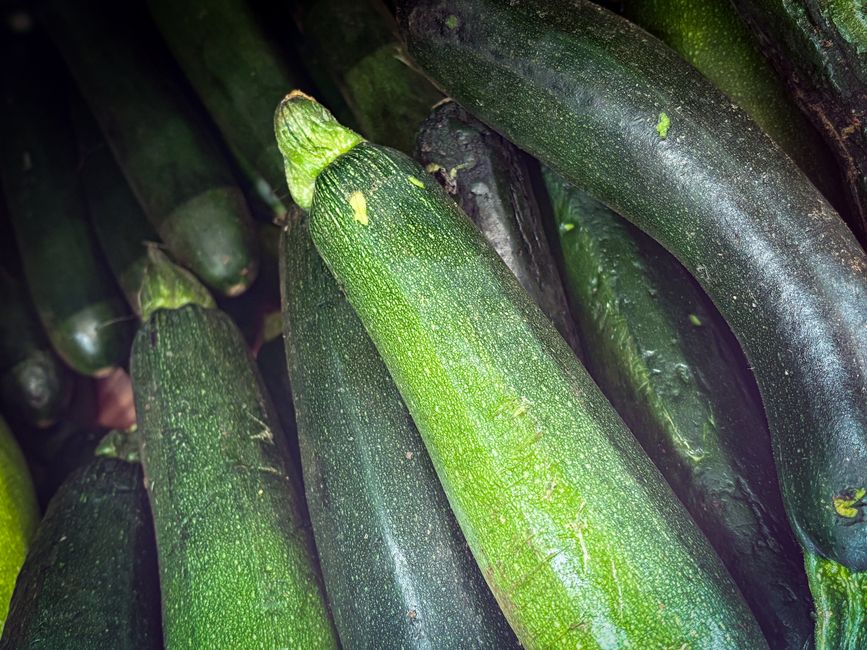
Zucchini is one of the most nutrient-dense vegetables you can add to your plate. It is low in calories, high in water, and packed with vitamins, minerals, and plant compounds that support everyday health. For most people, eating zucchini regularly is a simple, evidence-backed way to improve diet quality without much effort.
What Nutrients Are Actually in Zucchini?
Zucchini is often described as “mostly water,” and that is true — it is about 94% water by weight. But that water carries real nutritional value. A single medium zucchini provides a meaningful portion of your daily needs for vitamin C, vitamin B6, and manganese, all for fewer than 35 calories.
The skin is where much of the fiber and antioxidants live, so eating it unpeeled matters. The flesh contains the water-soluble vitamins, while the dark green skin contributes carotenoids — plant pigments linked to eye and skin health. Research consistently shows that the combination of fiber, water, and micronutrients makes zucchini a high-volume food, meaning it fills you up without loading you with calories.
Is Zucchini Healthy For You and Your Digestion?
Digestive health is one of the clearest benefits of eating zucchini. The fiber in zucchini is a mix of soluble and insoluble types. Soluble fiber feeds the beneficial bacteria in your colon, while insoluble fiber adds bulk to stool and helps move waste through the digestive tract.
A medium zucchini contains about 2 grams of fiber. That is not a huge number on its own, but it is significant for a vegetable that is mostly water. For people who struggle to meet the daily fiber recommendation of 25 to 38 grams, adding zucchini is a practical way to close the gap. The high water content also supports regular bowel movements by softening stool, which reduces the need to strain.
Can Zucchini Help With Blood Sugar Control?
Zucchini has a very low glycemic load, meaning it does not cause rapid spikes in blood sugar after eating. This is partly because of its fiber content, which slows digestion, and partly because most of its carbohydrate is accompanied by water and fiber rather than sugar.
For people with type 2 diabetes or prediabetes, replacing higher-carb sides with zucchini is a practical strategy. Swapping a portion of pasta for spiralized zucchini reduces the total carbohydrate load of a meal while adding volume. Some studies suggest that low-calorie, high-fiber vegetables like zucchini improve glycemic control when they replace refined grains, but the benefit comes from the substitution, not from zucchini alone. It is a useful tool, not a treatment.




What About the Antioxidants in Zucchini?
Zucchini contains several antioxidant compounds, including vitamin C, carotenoids like lutein and zeaxanthin, and polyphenols. These compounds neutralize free radicals — unstable molecules that can damage cells and contribute to chronic disease over time.
The lutein and zeaxanthin in zucchini are worth special attention. These carotenoids accumulate in the retina and are associated with a lower risk of age-related macular degeneration, a leading cause of vision loss in older adults. The evidence here is observational, but it is consistent across multiple large studies. Eating zucchini alongside other colorful vegetables is one way to support long-term eye health.
Does Zucchini Help With Weight Management?
Zucchini is one of the best foods you can choose if weight management is your goal. At roughly 17 calories per 100 grams, it is among the lowest-calorie vegetables available. Its high water and fiber content create satiety — the feeling of fullness — without contributing meaningful calories.
The practical effect is simple. Replacing calorie-dense foods with zucchini reduces total energy intake without leaving you hungry. For example, using zucchini noodles instead of pasta can cut several hundred calories from a meal while keeping the volume similar. This is a well-established principle in nutrition research: low-energy-density foods help with weight control because they allow people to eat satisfying portions for fewer calories.
Are There Any Downsides to Eating Zucchini?
For the vast majority of people, zucchini is safe and well tolerated. There are a few situations worth knowing about.
People with a true allergy to zucchini are rare, but they exist. Symptoms can include itching, swelling, or digestive discomfort after eating it. If you have a known allergy to other members of the cucurbit family — such as cucumber, melon, or pumpkin — you may react to zucchini too.
Zucchini can also cause gastrointestinal discomfort in people with irritable bowel syndrome. It contains fermentable carbohydrates called FODMAPs, specifically fructans and polyols. For people who are sensitive to these compounds, eating large amounts of zucchini may trigger bloating or gas. Cooking zucchini reduces its FODMAP content, which helps some people tolerate it better.
How Should You Eat Zucchini for the Most Benefit?
How you prepare zucchini changes its nutritional value. Boiling causes water-soluble vitamins like vitamin C to leach into the cooking water. Steaming, roasting, or sautéing preserves more of these nutrients. Grilling is also a good option, though it can dry the vegetable out.
The skin should stay on. It contains the highest concentration of fiber and carotenoids. Peeling zucchini removes a meaningful portion of its nutritional value.
Zucchini is versatile enough to eat raw in salads, spiralized into noodles, grated into baked goods, or roasted as a side dish. The key is to avoid heavy preparation methods that add large amounts of oil, butter, or cheese. A zucchini that is deep-fried or smothered in cream sauce is no longer a low-calorie food.
Frequently Asked Questions
Is zucchini healthier cooked or raw?
Both forms are healthy. Raw zucchini has slightly more vitamin C, while cooked zucchini is easier to digest and has slightly more available carotenoids. Eat it either way, but keep the skin on.
Can you eat too much zucchini?
For most people, no. Eating several servings a day is safe and beneficial. People with IBS or a cucurbit allergy should moderate their intake based on their symptoms.
Is zucchini good for weight loss?
Yes. Zucchini is very low in calories and high in water and fiber, which helps you feel full. Replacing higher-calorie foods with zucchini can reduce total calorie intake.
Does zucchini have any protein?
Zucchini contains a small amount of protein — about 1.2 grams per cup. It is not a significant protein source, but it contributes to overall nutrient intake.
