
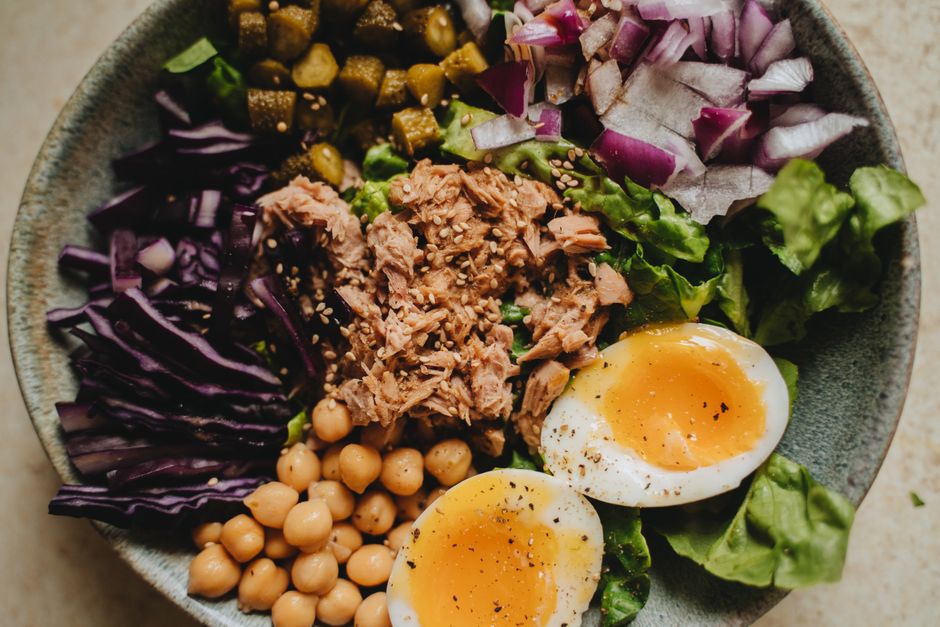
Yes, tuna salad can be healthy, but it depends entirely on how you make it. A basic tuna salad made with canned tuna packed in water, Greek yogurt or a small amount of mayonnaise, and plenty of vegetables is a nutrient-dense meal. It provides high-quality protein, omega-3 fatty acids, and several vitamins and minerals. The version that turns unhealthy is the one loaded with excessive mayonnaise, added sugars, and very little else. The difference between a healthy meal and a calorie-dense one comes down to a few simple ingredient swaps.
What Makes Tuna Nutritious in the First Place?
Tuna is a lean source of complete protein. A standard 3-ounce serving of canned tuna provides about 20-25 grams of protein with very little fat if it is packed in water. Protein helps with muscle maintenance, satiety, and stable blood sugar levels.
Tuna is also one of the best dietary sources of omega-3 fatty acids, specifically EPA and DHA. These fats support brain function, reduce inflammation, and are linked to lower risk of heart disease. The American Heart Association recommends eating fish like tuna at least twice per week.
On top of that, tuna provides selenium, vitamin D, and B vitamins. Selenium acts as an antioxidant and supports thyroid function. A single serving of canned tuna can contain over half your daily selenium needs.
Where Tuna Salad Usually Goes Wrong
The classic tuna salad recipe is heavy on mayonnaise. A typical recipe might use a quarter cup or more of mayo per can of tuna. That adds roughly 360 calories and 40 grams of fat, mostly from soybean or canola oil. It is not the worst fat source in the world, but it adds up fast if you are eating this regularly or watching your calorie intake.
Many recipes also add sugar in unexpected places. Sweet relish, pickles with added sugar, or even a spoonful of sugar in the dressing can push the sugar content higher than you might expect. Some store-bought tuna salad kits are especially guilty of this.
Then there is the bread or crackers you serve it with. A tuna salad sandwich on two slices of white bread adds about 150 empty calories and very little fiber. Crackers can be even worse depending on the type.
How to Make Tuna Salad That Is Actually Healthy
Swap the mayonnaise for plain Greek yogurt. Greek yogurt provides a similar creamy texture with significantly less fat and more protein. A quarter cup of full-fat Greek yogurt has about 60 calories and 4 grams of fat compared to 180 calories and 20 grams of fat for the same amount of mayonnaise. If you want some of the mayo flavor, use half yogurt and half mayo.
Add vegetables for crunch and nutrients instead of relying on relish. Diced celery, red onion, bell pepper, and shredded carrots add fiber, vitamins, and water content. They also reduce the need for extra dressing because they provide moisture naturally.
Use tuna packed in water rather than oil. Water-packed tuna has fewer calories and less fat. If you prefer oil-packed for flavor, drain it well and consider it part of your fat allowance for the meal.
Season with herbs, lemon juice, black pepper, and a pinch of salt instead of relying on sugary condiments. Fresh dill, parsley, or chives work particularly well with tuna.





Is Canned Tuna Safe to Eat Regularly?
This is the question most people do not ask but should. Canned tuna contains mercury, and the amount varies by the type of tuna. Albacore or white tuna has higher mercury levels than skipjack or light tuna. The FDA and EPA advise that adults can safely eat 2-3 servings of light tuna per week. For albacore tuna, they recommend limiting to one serving per week.
A serving is about 4 ounces before cooking or one standard can. Pregnant women, nursing mothers, and young children should follow stricter limits. For most healthy adults, eating tuna salad two or three times per week is within safe guidelines.
If you eat tuna more often than that, consider alternating with other low-mercury fish like salmon, sardines, or mackerel. Canned salmon is an excellent alternative with similar protein and omega-3 content and much lower mercury.
Is Tuna Salad Healthy for Weight Loss?
It can be, yes. Tuna salad made with yogurt and vegetables is high in protein and relatively low in calories. A typical serving might contain 200-300 calories and 25 grams of protein. That combination supports satiety and helps control hunger between meals.
The problem is portion size and what you eat with it. A tuna salad sandwich from a deli can easily contain 600-800 calories because of the amount of mayonnaise used and the bread. The same tuna salad served over a bed of lettuce with cucumber and tomato keeps the calories low and the nutrients high.
If weight loss is your goal, serve tuna salad on leafy greens, in a lettuce wrap, or with vegetable sticks for dipping. Skip the bread and crackers entirely.
Does the Type of Tuna Matter?
Yes, significantly. Chunk light tuna is made from smaller species like skipjack. It has lower mercury levels and is the most affordable option. Albacore or white tuna comes from larger fish and has higher mercury. It also has a milder flavor and firmer texture.
Tuna packed in oil versus water changes the calorie and fat content considerably. Oil-packed tuna has about double the calories per serving. If you use oil-packed, drain it well and count the oil as part of your fat intake for the day.
Pole-and-line or troll-caught tuna has a lower environmental impact and avoids the bycatch issues associated with large-scale longline fishing. If sustainability matters to you, look for these labels on the can.
Common Additions That Change the Health Profile
Hard-boiled eggs add protein and healthy fats but also cholesterol. For most people, dietary cholesterol is not a major concern, but if you have specific dietary restrictions, factor it in.
Avocado adds creamy texture and monounsaturated fat. It increases the calorie count but provides fiber, potassium, and antioxidants. Half an avocado adds about 120 calories.
Nuts or seeds like chopped almonds, walnuts, or sunflower seeds add crunch, healthy fats, and fiber. They also increase the calorie density, so use them sparingly.
Dried fruit like cranberries or raisins adds sweetness but also concentrated sugar. A tablespoon of dried cranberries has about 5 grams of sugar. Use fresh fruit like chopped apple or grapes instead for less sugar and more water content.
Is Tuna Salad Healthy Compared to Other Lunch Options?
Compared to a fast-food burger and fries, tuna salad is almost always the healthier choice. It has more protein, less saturated fat, and more nutrients per calorie. Compared to a grilled chicken salad with vinaigrette, tuna salad can be similar or slightly higher in fat depending on the dressing used.
The biggest advantage tuna salad has over many lunch options is its protein content and omega-3 fatty acids. Most lunch foods are carbohydrate-heavy and low in protein. Tuna salad reverses that balance.
The biggest disadvantage is the mercury concern if you eat it too frequently. As long as you rotate your protein sources, tuna salad is a solid option.
Frequently Asked Questions
Is tuna salad healthy for weight loss?
Yes, when made with Greek yogurt and vegetables instead of heavy mayonnaise. A serving can provide 25 grams of protein for under 300 calories.
How much tuna salad can I eat per week?
Adults can safely eat 2-3 servings of light tuna per week or 1 serving of albacore tuna per week. A serving is about 4 ounces or one standard can.
Is tuna salad healthy without mayonnaise?
Yes, it can be healthier without mayonnaise. Greek yogurt, mashed avocado, or hummus all work as creamy alternatives with more nutrients and less fat.
Can I eat tuna salad every day?
It is not recommended due to mercury content. Eating light tuna daily could exceed safe mercury limits over time. Alternate with other protein sources.
