
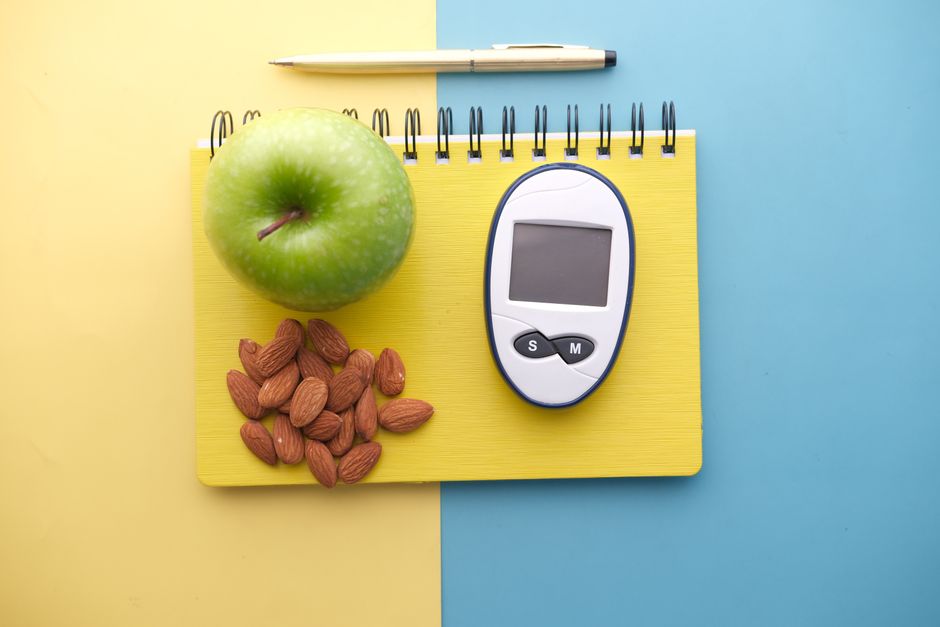
High blood sugar and high cholesterol often travel together. Many people with one condition have the other. The good news is that the same lifestyle changes can improve both. You can see meaningful improvements in days to weeks, not months. The fastest safe approach combines dietary changes, physical activity, and stress management. Medications work faster, but lifestyle changes are the foundation. Here is what the evidence shows about lowering blood sugar and cholesterol quickly and safely.
What Actually Lowers Blood Sugar And Cholesterol Fast?
The quickest changes come from what you eat and how you move. Your blood sugar responds to food within hours. Cholesterol levels shift more slowly, but meaningful changes can appear within two to three weeks of consistent effort.
For blood sugar, the fastest lever is reducing refined carbohydrates. White bread, white rice, sugary drinks, and pastries spike glucose quickly. Replacing them with whole grains, legumes, and vegetables slows glucose absorption. This is not a guess. Studies consistently show that lower glycemic load diets reduce post-meal blood sugar.
For cholesterol, the fastest dietary lever is reducing saturated fat and trans fat. Fatty red meat, full-fat dairy, and fried foods raise LDL cholesterol. Replacing some of those calories with unsaturated fats — olive oil, nuts, avocados — lowers LDL. Soluble fiber is the other fast-acting tool. Oats, barley, beans, and psyllium bind cholesterol in the gut and remove it from the body.
Physical activity helps both. A single session of moderate exercise improves insulin sensitivity for 24 to 72 hours. Regular aerobic exercise lowers triglycerides and raises HDL cholesterol. The effect on LDL is smaller but real. Consistency matters more than intensity for long-term results.
Which Foods Lower Blood Sugar And Cholesterol The Fastest?
Some foods have a double effect. They improve blood sugar and cholesterol at the same time. These are the ones to prioritize if you want quick results.
Oats and barley contain beta-glucan, a type of soluble fiber. Beta-glucan slows glucose absorption and reduces cholesterol reabsorption in the gut. Research published in the American Journal of Clinical Nutrition found that oat beta-glucan significantly lowers LDL cholesterol. The effect appears within weeks.
Legumes — beans, lentils, chickpeas — are high in fiber and plant protein. They have a low glycemic index, meaning they raise blood sugar slowly. Their fiber content also lowers LDL. A meta-analysis of clinical trials found that eating legumes reduces LDL cholesterol by about 5 percent.
Fatty fish like salmon and mackerel provide omega-3 fatty acids. Omega-3s lower triglycerides, a type of blood fat linked to heart disease. They do not lower LDL much, but they improve the overall lipid profile.
Nuts — especially almonds and walnuts — contain unsaturated fats and fiber. Clinical trials show that daily nut consumption lowers LDL cholesterol. Portion control matters because nuts are calorie-dense.
Vegetables are the safest bet. Non-starchy vegetables like leafy greens, broccoli, and peppers are low in calories and carbohydrates. They fill you up without raising blood sugar. Their fiber content supports cholesterol control.
How Much Exercise Do You Need To See Changes?
You do not need to train like an athlete. The research is clear that moderate activity is enough to move blood sugar and cholesterol in the right direction.
For blood sugar, a 15-minute walk after meals can lower post-meal glucose. This is one of the most practical tools available. Walking after eating uses the glucose in your bloodstream for fuel instead of letting it accumulate. The effect is immediate and measurable.
For cholesterol, current guidelines recommend at least 150 minutes of moderate aerobic activity per week. That is about 30 minutes, five days per week. Brisk walking, cycling, or swimming all count. The LDL-lowering effect of exercise alone is modest — roughly 3 to 5 percent — but it adds to dietary changes. Exercise also lowers triglycerides more substantially, often by 10 to 20 percent.
Resistance training adds value. Building muscle improves insulin sensitivity because muscle tissue takes up glucose efficiently. Two sessions per week of strength training — bodyweight exercises, resistance bands, or weights — complements aerobic activity.

Can Weight Loss Lower Blood Sugar And Cholesterol Quickly?
Yes, and the timeline is shorter than most people think. Weight loss of 5 to 10 percent of body weight improves both blood sugar and cholesterol. For a person weighing 200 pounds, that is 10 to 20 pounds.
Visceral fat — the fat around your organs — is metabolically active. It releases inflammatory compounds that worsen insulin resistance and cholesterol metabolism. Losing visceral fat directly improves how your body handles glucose and fats.
The fastest results come from reducing calorie intake. You do not need a specific diet. Any approach that creates a consistent calorie deficit works. Intermittent fasting, portion control, and low-carbohydrate diets all produce weight loss when followed consistently. The best diet is the one you can maintain.
Do not expect overnight changes. Weight loss of 1 to 2 pounds per week is sustainable. At that rate, meaningful metabolic improvements appear within one to three months. Some people see blood sugar improvements within days of reducing calorie intake, even before significant weight loss occurs.
What About Supplements That Claim To Lower Blood Sugar And Cholesterol?
Supplements are a crowded market with many claims and little evidence. Some have decent research behind them. Most do not.
Berberine has the strongest evidence among blood sugar supplements. Studies show it lowers fasting glucose and HbA1c in people with type 2 diabetes. The effect appears comparable to metformin in some head-to-head trials. It works by activating an enzyme called AMPK, which improves insulin sensitivity. Some research also shows modest LDL reduction.
Psyllium husk is a fiber supplement with solid evidence. It lowers LDL cholesterol by about 7 percent and improves blood sugar control. It is the same type of soluble fiber found in oats. One teaspoon mixed with water before meals is a common approach, but follow the label instructions.
Omega-3 fish oil lowers triglycerides reliably. High doses — prescription strength — are needed for large effects. Over-the-counter doses have a smaller but measurable benefit.
Red yeast rice contains monacolin K, which is chemically identical to lovastatin, a prescription statin. It lowers LDL cholesterol effectively. However, the amount of active compound varies between products. The FDA has flagged quality concerns. If you take it, tell your doctor because it carries the same risks as statins, including muscle pain and liver effects.
Most other supplements — cinnamon, garlic, apple cider vinegar, chromium — have weak or mixed evidence. They are not harmful in normal amounts, but they will not replace meaningful lifestyle changes. Do not expect dramatic results from any supplement.
How Quickly Do Medications Work?
Medications are the fastest way to lower blood sugar and cholesterol. They work in days, not weeks.
Metformin, the first-line drug for type 2 diabetes, lowers fasting glucose within days. Full effect takes one to two weeks. Statins lower LDL cholesterol within two to four weeks, with full effect by six to eight weeks. The change is substantial — typically a 30 to 50 percent reduction in LDL depending on the drug and dose.
Medications are not a failure. Many people need them alongside lifestyle changes. The evidence is clear that statins reduce heart attacks and strokes in people with elevated LDL. Metformin reduces diabetes complications. If your doctor prescribes these, take them as directed.
Some people want to avoid medication and try lifestyle changes first. That is reasonable if your numbers are not dangerously high. Ask your doctor for a follow-up appointment in two to three months to reassess. If lifestyle changes are not enough, medication is the next step. Do not let pride delay treatment that could prevent a heart attack or stroke.
What Is The Single Fastest Thing You Can Do Today?
Drink water instead of sugary beverages. This is the single fastest change you can make. A single 12-ounce soda contains about 40 grams of sugar. Eliminating it reduces your daily sugar intake dramatically. Blood sugar improves within hours. Triglycerides, which rise after sugar intake, begin to fall within days.
Take a 15-minute walk after your largest meal. This uses glucose before it accumulates. It also lowers post-meal triglycerides. Both effects are immediate and measurable.
Add a serving of soluble fiber to your day. Half a cup of oats at breakfast, a can of beans at lunch, or a psyllium supplement with dinner. This starts lowering LDL within weeks.
These three actions are simple, free, and evidence-based. They are the fastest safe starting points for lowering blood sugar and cholesterol.
When Should You See A Doctor?
If you have not been tested, get tested. Fasting blood sugar of 100 to 125 mg/dL indicates prediabetes. A fasting level of 126 mg/dL or higher indicates diabetes. LDL cholesterol above 100 mg/dL is elevated for most people. Total cholesterol above 200 mg/dL is considered borderline high.
See a doctor promptly if you have symptoms of very high blood sugar — excessive thirst, frequent urination, blurred vision, unexplained weight loss. These can indicate diabetes that needs treatment.
See a doctor urgently if you have chest pain, shortness of breath, or pain in your jaw or arm. These can be signs of a heart attack. Do not wait for test results.
For most people, lifestyle changes are safe to start immediately. If you take medications for diabetes or cholesterol, talk to your doctor before making major dietary changes. Blood sugar and cholesterol levels can drop quickly, and medication doses may need adjustment.
Frequently Asked Questions
Can I lower blood sugar and cholesterol in one week?
Blood sugar can improve within days of reducing refined carbohydrates and increasing activity. Cholesterol changes take longer, usually two to three weeks, but meaningful reductions are possible with consistent dietary changes.
What is the fastest way to lower LDL cholesterol naturally?
Replacing saturated fats with unsaturated fats and adding soluble fiber are the fastest dietary approaches. Soluble fiber from oats, beans, and psyllium binds cholesterol in the gut and removes it from the body.
Does walking after meals really lower blood sugar?
Yes. A 15-minute walk after eating uses glucose in the bloodstream for fuel, which lowers post-meal blood sugar. This effect is immediate and has been confirmed in multiple studies.
Are supplements effective for lowering blood sugar and cholesterol?
Berberine and psyllium have the strongest evidence for blood sugar and cholesterol, respectively. Most other supplements have weak or mixed evidence and should not replace dietary changes or prescribed medications.
