
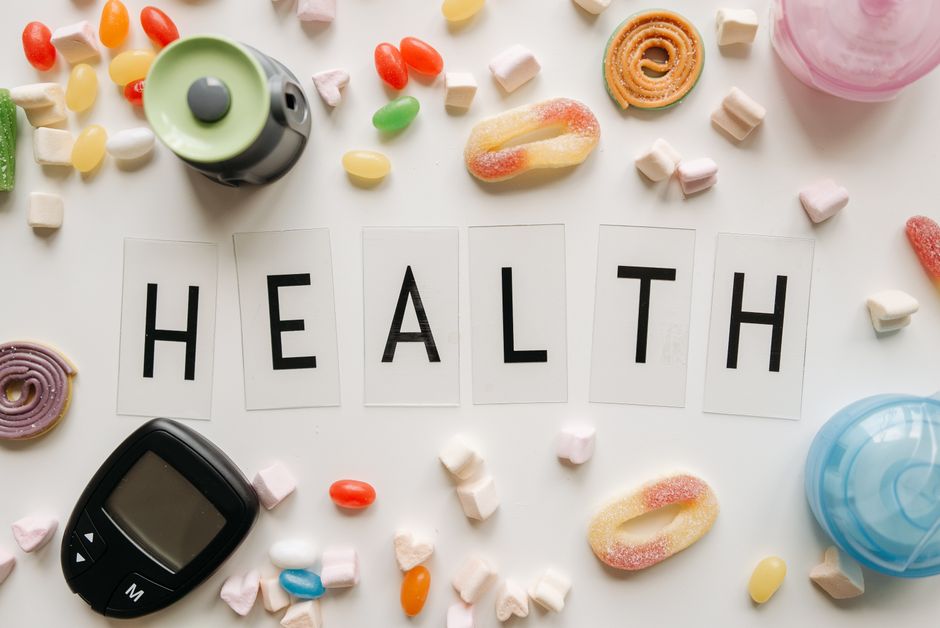
When your blood sugar drops too low, eating or drinking fast-acting carbohydrates is the first step to bring it back up. The standard approach is the “15-15 rule”: eat 15 grams of fast-acting carbs, wait 15 minutes, and recheck your blood sugar. After your blood sugar recovers, eating a snack with protein and complex carbs helps keep it stable and prevents another drop.
What Counts As Fast-Acting Carbohydrates?
Fast-acting carbohydrates are simple sugars that enter your bloodstream quickly. They raise blood sugar within 10 to 15 minutes. These are the foods to use when you feel symptoms of low blood sugar, such as shakiness, sweating, confusion, or a rapid heartbeat.
Reliable options that contain about 15 grams of fast-acting carbs include:
- 4 ounces (half a cup) of fruit juice or regular soda
- 1 tablespoon of sugar, honey, or syrup
- 3 to 4 glucose tablets
- 5 to 6 hard candies, chewed
- 1 small tube of glucose gel
These options work because they are pure or nearly pure sugar. No digestion is needed before they enter your bloodstream. That speed is exactly what you want in a hypoglycemia emergency.
What To Eat After Your Blood Sugar Recovers
Fast-acting carbs fix the immediate drop, but they do not keep blood sugar stable. Once your blood sugar is back above 70 mg/dL and you feel better, you need food that releases energy slowly. This prevents your blood sugar from crashing again within the next hour or two.
A recovery snack should combine complex carbohydrates with protein or fat. Good combinations include:
- Apple slices with peanut butter
- Whole-grain crackers with cheese
- Half a turkey sandwich on whole-wheat bread
- Greek yogurt with berries
- A small handful of nuts with a piece of fruit
The complex carbs digest slowly. The protein and fat slow digestion even further. Together they keep glucose entering your bloodstream at a steady rate rather than all at once.
How Much Food Do You Actually Need?
Portion size matters more than most people realize. Too little food and your blood sugar stays low. Too much and you overshoot into high blood sugar, which comes with its own set of problems.
The 15-15 rule is the standard starting point for adults. Eat or drink 15 grams of fast-acting carbs, wait 15 minutes, then check your blood sugar again. If it is still below 70 mg/dL, repeat the process. Once your blood sugar is back in a safe range, eat the protein-and-complex-carb snack described above.
Children and people taking certain medications may need different amounts. If you manage hypoglycemia for a child, follow the specific plan your pediatrician or endocrinologist provided. Do not guess at a child’s dose based on adult guidelines.



What To Eat To Prevent Low Blood Sugar
Prevention is different from treatment. Preventing low blood sugar is about eating patterns and food choices that keep glucose levels steady throughout the day. This is especially important for people with diabetes who take insulin or sulfonylurea medications, both of which can cause hypoglycemia.
Eating regular meals and snacks is the foundation. Going more than four to five hours without eating increases the risk of a drop, especially if you take diabetes medication. Most people do well with three meals and one to two snacks spread evenly across the day.
Each meal should include a balance of complex carbohydrates, protein, and fiber. This combination slows digestion and prevents the rapid rise and fall that happens after eating refined carbs alone. For example, oatmeal with nuts and berries beats a bowl of sugary cereal for blood sugar stability.
Which Foods Do Not Work Well For Low Blood Sugar?
Not all carbohydrates are created equal when it comes to treating hypoglycemia. Foods high in fat, protein, or fiber digest too slowly to fix a low blood sugar emergency. Chocolate, ice cream, nuts, and cheese are poor choices when your blood sugar is actively dropping.
This surprises many people because these foods are often labeled as “healthy snacks.” They are healthy in many ways. But their slow digestion makes them useless for rapidly raising blood sugar. Fat especially delays stomach emptying, which means the sugar in the food takes longer to reach your bloodstream.
Whole-grain bread is another tricky one. It contains complex carbs that digest slower than white bread. In an emergency, white bread or a plain bagel is actually more effective because it converts to glucose faster. Save the whole grains for prevention, not treatment.
When Does Low Blood Sugar Become An Emergency?
Severe hypoglycemia is a medical emergency. It occurs when blood sugar drops so low that you cannot treat yourself. You may lose consciousness, have a seizure, or be too confused to swallow safely. In these situations, do not try to give food or drink by mouth. The person could choke.
Emergency treatment requires glucagon, a hormone that raises blood sugar by causing the liver to release stored glucose. Glucagon is available as an injection or a nasal powder. Family members and close friends of people with diabetes should know where the glucagon kit is kept and how to use it.
If glucagon is not available, call emergency services immediately. Do not wait to see if the person improves on their own. Severe hypoglycemia can cause lasting brain damage if left untreated.
What Causes Low Blood Sugar In People Without Diabetes?
Low blood sugar is most common in people with diabetes, but it can happen to anyone. Reactive hypoglycemia occurs when blood sugar drops two to four hours after eating. It happens when the body releases too much insulin in response to a high-carbohydrate meal, causing blood sugar to crash later.
Other causes include skipping meals, drinking alcohol without eating, and certain medical conditions. Some medications, such as beta-blockers and certain antibiotics, can also lower blood sugar. If you experience frequent episodes of low blood sugar without diabetes, a doctor should evaluate you to find the underlying cause.
For people with reactive hypoglycemia, prevention focuses on the same principles: regular meals, complex carbohydrates, and protein at every meal. Avoiding large amounts of refined sugar in one sitting can also reduce the insulin surge that triggers the drop.
Does The Type Of Diabetes Medication Matter?
Yes, it matters enormously. Not all diabetes medications cause low blood sugar. Metformin, for example, rarely causes hypoglycemia on its own. The medications most associated with low blood sugar are insulin and sulfonylureas, both of which directly increase insulin levels in the body.
If you take metformin alone and experience frequent low blood sugar, something else is likely going on. Your doctor should investigate other causes rather than assuming the medication is responsible. This distinction matters because the prevention strategies differ based on the cause.
People taking insulin need to match their food intake to their insulin dose. The timing of meals matters as much as the content. Skipping a meal after taking mealtime insulin is a common cause of hypoglycemia in this group. Your healthcare team can help you adjust insulin timing and doses to reduce this risk.
Can Certain Foods Prevent Low Blood Sugar Overnight?
Overnight hypoglycemia is a real concern for people taking insulin or sulfonylureas. Blood sugar naturally dips during sleep, and medication can push it lower. A bedtime snack can help, but the type of snack matters.
A bedtime snack that combines protein and complex carbohydrates is the standard recommendation. The protein helps sustain glucose release through the night. A small bowl of cereal with milk, or half a sandwich, are common options. The exact amount depends on your evening blood sugar reading and your medication regimen.
If you wake up with headaches, night sweats, or vivid dreams, these can be signs of overnight hypoglycemia. A continuous glucose monitor can reveal these drops if you suspect they are happening. Talk to your doctor about adjusting your evening medication or snack plan rather than guessing on your own.
Frequently Asked Questions
What is the fastest way to raise low blood sugar?
Eat or drink 15 grams of fast-acting carbohydrates like fruit juice, regular soda, or glucose tablets. Recheck your blood sugar after 15 minutes and repeat if it is still below 70 mg/dL.
How long does it take for food to raise blood sugar?
Fast-acting carbohydrates raise blood sugar within 10 to 15 minutes. Foods with protein, fat, or fiber take much longer and should not be used to treat an active low.
Can you have low blood sugar without having diabetes?
Yes, it can happen from reactive hypoglycemia, skipping meals, drinking alcohol without eating, or certain medications. Frequent episodes without diabetes should be evaluated by a doctor.
Is chocolate good for low blood sugar?
No. Chocolate contains fat, which slows digestion and delays sugar absorption. It is not a reliable treatment for an active low blood sugar episode.
