
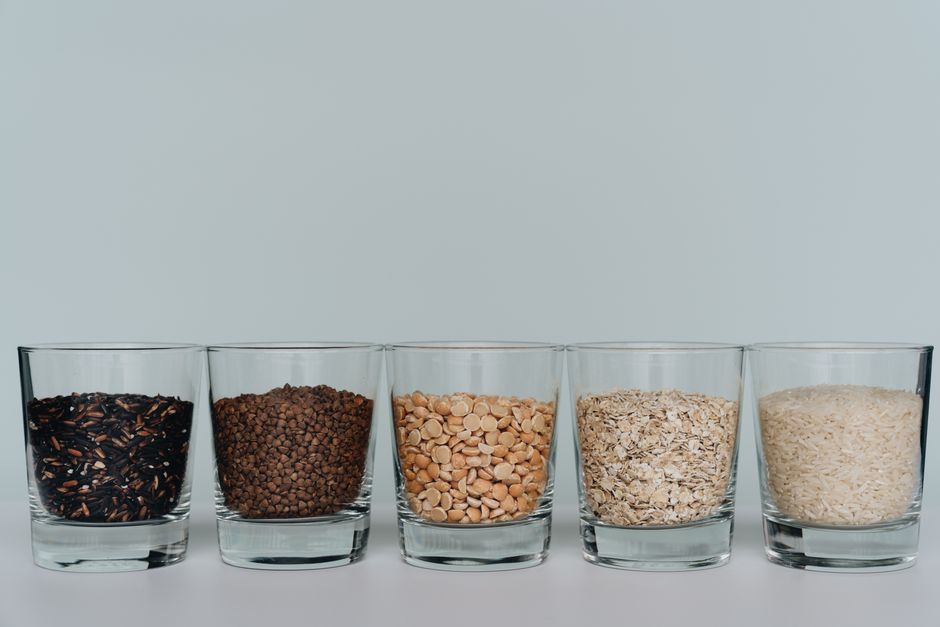
White rice has been a staple food for billions of people for thousands of years. It is also one of the most argued-about foods in nutrition. If you have read that white rice causes inflammation, you may be wondering whether your daily bowl of rice is quietly harming you.
White rice is not inherently inflammatory. It does not trigger an inflammatory response the way a bacterial infection or an injury does. However, it is a refined carbohydrate with a high glycemic index, and eating large amounts of it regularly can contribute to conditions that promote chronic low-grade inflammation over time. The distinction between a food that is directly inflammatory and one that indirectly supports inflammation through metabolic effects is where most of the confusion lives.
Is White Rice Inflammatory? What the Evidence Actually Shows
No study has shown that eating white rice causes acute inflammation in healthy people. What research has examined is the relationship between high-glycemic diets and markers of chronic inflammation, such as C-reactive protein (CRP) and interleukin-6 (IL-6).
The evidence here is mixed. Some studies have found that diets with a high glycemic load are associated with elevated inflammatory markers. Others have found no significant relationship when overall diet quality is controlled for. A systematic review published in the journal Nutrients examined the association between dietary glycemic index and inflammatory markers and reported inconsistent results across studies.
The picture gets clearer when you separate white rice from the rest of the diet. Populations that eat large amounts of white rice, such as in parts of Asia, do not show uniformly higher inflammation rates compared to Western populations. In many of these populations, white rice is eaten alongside vegetables, fish, and legumes — foods that have their own anti-inflammatory or neutral effects. The rice itself may not be the problem. The overall dietary pattern matters more.
What is well established is that white rice has a high glycemic index, typically above 70 on the standard scale. That means it raises blood sugar quickly compared to lower-glycemic foods like brown rice, barley, or most vegetables. Repeated rapid blood sugar spikes, especially in people with insulin resistance, are associated with oxidative stress and low-grade inflammation over time.
How Does White Rice Affect Blood Sugar and Inflammation?
White rice is mostly starch. The milling process that turns brown rice into white rice removes the bran and germ, which contain most of the fiber, vitamins, and minerals. What remains is largely endosperm — starchy carbohydrate that digests quickly.
When you eat white rice, your blood glucose rises within about 15 to 30 minutes. The pancreas releases insulin to move glucose into cells. In a healthy person, this process works efficiently and blood sugar returns to normal within a couple of hours. In someone with insulin resistance or type 2 diabetes, the response is slower and less effective.
This is where the inflammation connection becomes relevant. Insulin resistance is associated with chronic low-grade inflammation. Inflammatory molecules can interfere with insulin signaling, and insulin resistance can promote inflammation. It is a bidirectional relationship. Diets that repeatedly stress the blood sugar system may contribute to this cycle over years, not days.
One important clarification: the glycemic response to white rice varies significantly depending on what you eat with it. Adding protein, fat, or fiber slows gastric emptying and blunts the blood sugar spike. A bowl of white rice eaten with chicken and vegetables produces a very different glucose response than the same rice eaten alone.
Does White Rice Cause Inflammation in Everyone?
No. The effect of white rice on inflammation depends heavily on the person eating it and the rest of their diet.
For a metabolically healthy person eating a balanced diet, white rice is unlikely to cause meaningful inflammation. The body handles the glucose load efficiently, and one food in an otherwise varied diet rarely drives inflammatory processes on its own.
For someone with insulin resistance, prediabetes, or type 2 diabetes, large amounts of white rice may worsen blood sugar control, which in turn can support the inflammatory environment associated with these conditions. Some research suggests that replacing white rice with brown rice or other whole grains is associated with improved metabolic markers in people with type 2 diabetes.
Other factors that influence whether white rice contributes to inflammation include:
- Total amount eaten and how often
- What else is on the plate — protein, fat, fiber, and vegetables all change the picture
- Overall diet quality and physical activity level
- Individual metabolic health, including insulin sensitivity
- Genetic and ethnic differences in carbohydrate metabolism
White rice is also a common trigger for those with rice allergy, which is rare, or eosinophilic esophagitis, where rice can be one of several food triggers. These are immune-mediated conditions, not the same as chronic low-grade inflammation from diet. If you have a diagnosed food allergy or eosinophilic esophagitis, your situation is different and should be managed with your doctor.





Is White Rice Worse Than Brown Rice for Inflammation?
Brown rice has more fiber, more vitamins, and a lower glycemic index than white rice. Those differences matter for metabolic health. But whether brown rice is meaningfully better for inflammation specifically is less clear than the general narrative suggests.
Some studies have found that people who eat more whole grains, including brown rice, have lower levels of inflammatory markers. However, people who eat whole grains tend to have other health behaviors that also reduce inflammation. Isolating the effect of brown rice versus white rice is difficult.
What is more certain is that brown rice produces a slower, smaller blood sugar rise. For someone managing blood sugar, that difference is real and measurable. For someone with normal glucose tolerance eating a balanced diet, the difference in inflammatory impact between white and brown rice is likely small.
The table below compares key differences between white and brown rice. Values are approximate and vary by variety and cooking method.
| Nutrient | White Rice (1 cup cooked) | Brown Rice (1 cup cooked) |
|---|---|---|
| Calories | ~205 | ~216 |
| Carbohydrate | ~45 g | ~45 g |
| Fiber | ~0.6 g | ~3.5 g |
| Glycemic Index | ~73 | ~68 |
| Magnesium | ~19 mg | ~84 mg |
These numbers come from standard USDA nutritional data and published glycemic index values. They are averages. Actual values depend on the specific rice variety and how it is prepared.
How Can You Reduce the Inflammatory Potential of White Rice?
If you eat white rice and want to minimize any potential contribution to inflammation, the evidence supports a few practical approaches. These are not cures or guarantees — they are strategies that align with what is known about blood sugar, diet quality, and inflammation.
Pair rice with protein, fat, or fiber. Adding chicken, fish, tofu, beans, or vegetables to a rice meal slows digestion and reduces the glycemic spike. This is one of the more reliable ways to blunt the blood sugar response.
Watch portion size. A large bowl of rice eaten alone will produce a bigger glucose response than a smaller portion eaten with other foods. There is no universal recommended amount, but standard dietary guidelines generally suggest that grains make up about one-quarter of a meal plate.
Choose brown rice or other whole grains more often. Brown rice, barley, quinoa, and oats have lower glycemic indices and more fiber than white rice. Replacing some white rice with these grains is consistent with general dietary recommendations for metabolic health.
Cool the rice before eating. Cooking rice and then cooling it increases resistant starch content, which is a type of carbohydrate that escapes digestion and feeds gut bacteria. Some research suggests that resistant starch may have favorable effects on blood sugar and inflammation, though the evidence is still developing. Reheating cooled rice retains some of this resistant starch.
Consider the overall pattern. No single food determines your inflammatory status. A diet rich in vegetables, fruits, legumes, fish, and whole grains, with white rice as one component, is unlikely to promote inflammation in a healthy person.
When Should You Be Concerned About White Rice and Inflammation?
If you have been diagnosed with insulin resistance, prediabetes, type 2 diabetes, or an inflammatory condition such as rheumatoid arthritis or inflammatory bowel disease, it is reasonable to discuss your rice intake with your doctor or a registered dietitian. These conditions involve immune and metabolic pathways where diet can play a supporting role, but diet alone does not cause or cure them.
If you have a rice allergy or eosinophilic esophagitis, white rice may directly trigger an immune response. That is a different mechanism from chronic low-grade inflammation and requires specific medical management.
For most healthy adults, white rice eaten as part of a varied diet is not something to fear. The evidence does not support avoiding it entirely. It also does not support eating large amounts of it at every meal, especially if your blood sugar is a concern.
The bigger picture matters more than any single grain. Chronic inflammation is influenced by many factors — smoking, excess body fat, poor sleep, chronic stress, and overall diet quality. Focusing only on white rice while ignoring these larger contributors misses the point.
Frequently Asked Questions
Is white rice inflammatory?
White rice is not directly inflammatory, but its high glycemic index can contribute to blood sugar spikes that, over time, may support chronic low-grade inflammation in some people. The effect depends on how much you eat, what you eat with it, and your metabolic health.
Does white rice cause inflammation in arthritis?
No evidence shows that white rice directly causes or worsens arthritis inflammation. Some people with inflammatory conditions find that high-glycemic foods affect their symptoms, but this varies and is not well established in clinical research.
Is brown rice better than white rice for inflammation?
Brown rice has more fiber and a lower glycemic index, which is generally better for blood sugar control. Whether it meaningfully reduces inflammation compared to white rice is not clearly established, though whole grains are associated with lower inflammatory markers in some studies.
Can I eat white rice every day without causing inflammation?
For most healthy people, eating white rice daily as part of a balanced diet is unlikely to cause harmful inflammation. Portion size, what you pair it with, and your overall diet quality matter more than the rice itself.
