
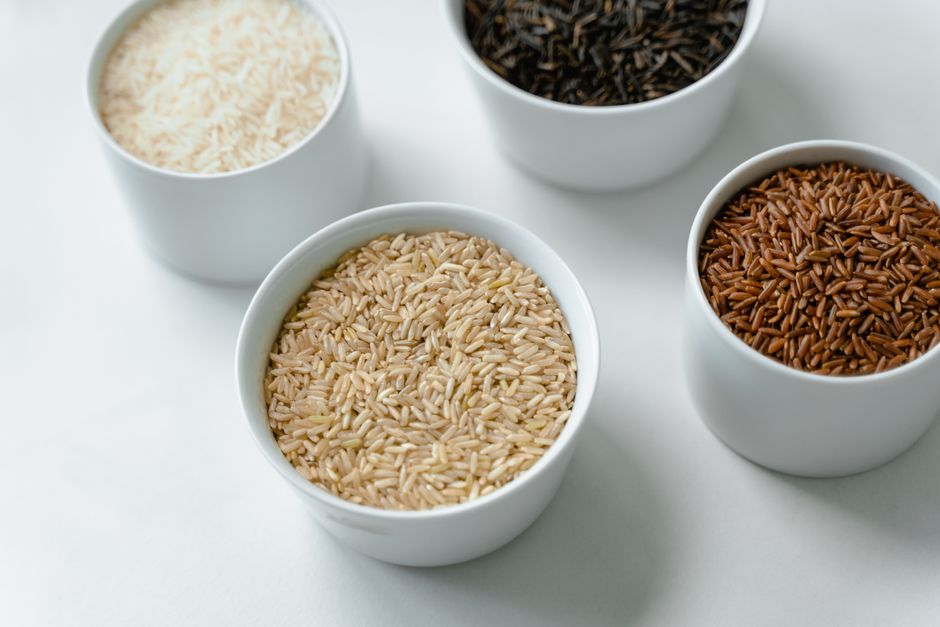
Brown rice does not contain gluten. Gluten is a protein found in wheat, barley, and rye — rice is not related to any of those grains, so it has no gluten to begin with.
That short answer matters to a lot of people. If you have celiac disease, a wheat allergy, or gluten sensitivity, brown rice is generally considered a safe grain. But “gluten-free grain” and “gluten-free product” are not always the same thing. The grain itself is clean. What happens to it after harvest, milling, and packaging is where problems can sometimes start.
Here is what the science actually shows about brown rice and gluten, and where you still need to read labels.
What Is Gluten and Where Does It Come From?
Gluten is a group of storage proteins found in specific cereal grains. The two main protein families are gliadins and glutenins, and they occur together in wheat, barley, and rye. When these proteins meet water and get mixed or kneaded, they form a stretchy network. That network is what gives bread its chew and helps dough hold gas as it rises.
Grains that contain gluten include:
- Wheat, including spelt, farro, kamut, and durum
- Barley
- Rye
- Triticale, a wheat-rye hybrid
Grains that do not contain gluten include rice, corn, oats (when not contaminated), millet, sorghum, quinoa, buckwheat, and amaranth. These are sometimes called pseudocereals or gluten-free grains, though the term “pseudocereal” is a botanical label, not a health claim.
Rice is a grass in the genus Oryza. Wheat, barley, and rye belong to an entirely different branch of the grass family. They are not close botanical relatives. That is why rice has no gliadin or glutenin proteins at all — the genetic instructions to make them simply are not there.
Does Brown Rice Has Gluten? The Facts You Should Know
Brown rice is the same grain as white rice, just less processed. The difference is that brown rice keeps its bran layer and germ, while white rice has had those removed. The bran is where most of the fiber, B vitamins, and minerals sit.
Neither form contains gluten. Milling rice does not create gluten, and removing the bran does not remove gluten, because there was never any gluten to remove. Brown and white rice are both naturally gluten-free grains.
What this means in practice: if your only concern is the grain itself, brown rice is safe for a gluten-free diet. The complications come from everything around the grain — the field it grew in, the facility that packaged it, and the seasoning added to it.
Why Some Rice Products Are Not Gluten-Free
A gluten-free grain can still end up in a product that contains gluten. This usually happens for one of three reasons.
Cross-contact during growing or processing. Rice is often grown near wheat, and shared equipment at mills, storage silos, and packaging lines can transfer trace amounts of gluten. This is called cross-contact, and it is the main reason gluten-free products carry a certification.
Added ingredients. Flavored rice mixes, seasoned rice packets, and rice pilafs frequently contain wheat-based broth, soy sauce (which is usually made from wheat), malt flavoring, or thickeners. Plain rice is gluten-free. A boxed rice dish is only gluten-free if the label says so.
Rice-based products that are not just rice. Rice crackers, rice cakes, and rice-based snacks may have wheat flour, barley malt, or other gluten grains added. The word “rice” on the front of a package tells you nothing about the full ingredient list.
This is the non-obvious part. The grain is not the risk. The processing and the recipe are.




Is Brown Rice Safe for Celiac Disease?
Yes. Brown rice is considered safe for people with celiac disease, provided the product is labeled gluten-free or is a plain, uncontaminated grain.
Celiac disease is an autoimmune condition. In people who have it, eating gluten triggers an immune response that damages the lining of the small intestine. The only current treatment is a strict, lifelong gluten-free diet. Because rice contains no gluten proteins, it does not trigger that response.
The caution is contamination. For someone with celiac disease, even small amounts of gluten can cause intestinal damage, sometimes without obvious symptoms. That is why the FDA sets a standard for “gluten-free” labeling: a product must contain less than 20 parts per million of gluten. That threshold is not a safety guarantee for every person, but it is the level regulators determined is achievable and protective for most people with celiac disease based on available evidence.
If you have celiac disease, look for plain brown rice or products that carry a gluten-free label. Rinsing rice before cooking removes surface starch and some dust, but it is not a reliable way to remove gluten contamination. There is no home method that reliably decontaminates a grain.
Brown Rice vs. Other Gluten-Free Grains
Brown rice is one option among many. Here is how it compares to a few common gluten-free grains on basic nutrition. Values are approximate and vary by variety and cooking method.
| Grain (1 cup cooked) | Calories | Fiber | Notable nutrients |
|---|---|---|---|
| Brown rice | ~215 | ~3.5 g | Magnesium, manganese, B vitamins |
| White rice | ~205 | ~0.6 g | Fewer nutrients; often enriched |
| Quinoa | ~220 | ~5 g | Complete protein, iron, magnesium |
| Millet | ~205 | ~2 g | Magnesium, phosphorus |
| Buckwheat | ~155 | ~4.5 g | Manganese, magnesium, rutin |
Brown rice has more fiber and nutrients than white rice because the bran and germ are intact. Quinoa and buckwheat offer more fiber and, in quinoa’s case, a more complete amino acid profile. None of these grains contain gluten, so the choice comes down to nutrition, taste, and cost rather than gluten safety.
How to Make Sure Your Brown Rice Is Gluten-Free
Plain brown rice bought as a single ingredient is gluten-free by nature. The steps below reduce the chance of contamination and help you avoid hidden gluten in processed products.
- Buy plain brown rice, not flavored or seasoned mixes.
- Choose products labeled “gluten-free” if you have celiac disease or serious sensitivity.
- Read the full ingredient list on rice snacks, rice cakes, and rice-based cereals.
- Watch for soy sauce, malt, and wheat-based broths in rice dishes and restaurant meals.
- Store rice separately from wheat flour and other gluten grains at home to avoid cross-contact.
If you eat rice at a restaurant, ask whether it is cooked with broth, soy sauce, or a seasoning blend. Plain steamed rice is usually safe. Rice pilaf and fried rice often are not.
Does Brown Rice Have Any Downsides?
Brown rice is nutritious, but it is not without considerations. Rice, including brown rice, can take up arsenic from soil and water. Arsenic is a naturally occurring element, and rice plants absorb more of it than most other grains.
For most adults eating rice as part of a varied diet, the levels are not a known health concern. The bigger concern is for infants and young children, who are smaller and may eat rice frequently. The FDA has published guidance on limiting arsenic exposure in rice-based foods for infants. If you are feeding a young child a lot of rice cereal or rice-based snacks, it is worth looking at that guidance or talking with a pediatrician.
Brown rice also has more fiber than white rice, which is generally good, but a sudden increase can cause bloating or discomfort. Adding it gradually usually helps.
One more point: brown rice is not lower in carbohydrates than white rice. The carbohydrate content is similar. The difference is fiber and micronutrients, not carb count.
Frequently Asked Questions
Does brown rice have gluten?
No. Brown rice is naturally gluten-free because rice is not related to wheat, barley, or rye.
Is brown rice safe for celiac disease?
Yes, plain brown rice is safe for celiac disease, and gluten-free labeled products are the safest choice. Cross-contact during processing is the main risk, not the grain itself.
Why does some brown rice contain gluten?
It does not contain gluten on its own. Gluten can get in through cross-contact at mills or from added ingredients like soy sauce, malt, or wheat-based broth.
Is white rice gluten-free too?
Yes. White rice is also naturally gluten-free. It has less fiber and fewer nutrients than brown rice because the bran and germ are removed.
