
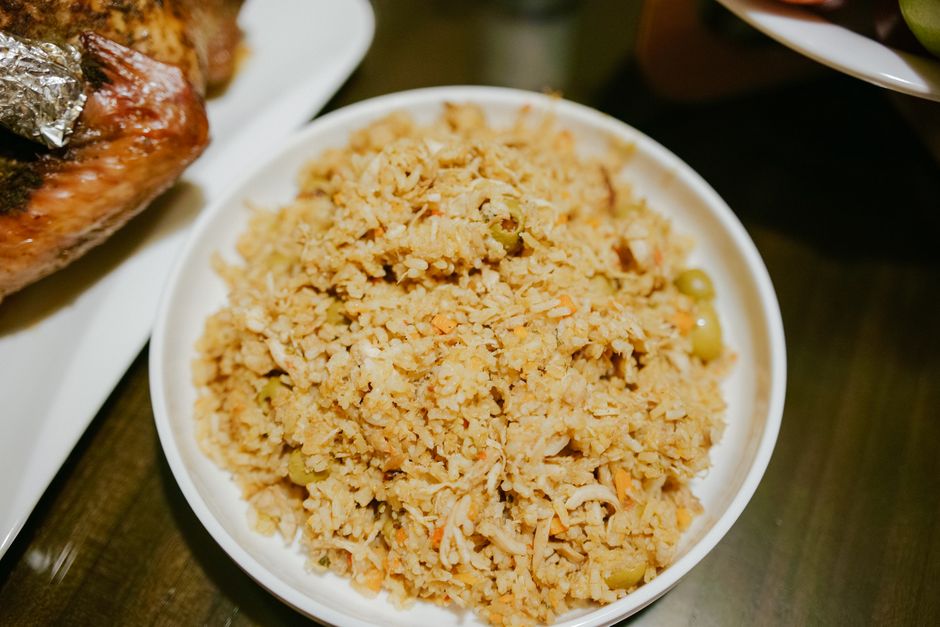
“Fried rice syndrome” is a term that spread online after a few widely shared stories about people who became seriously ill after eating leftover rice. It refers to food poisoning caused by Bacillus cereus, a bacterium that commonly lives in cooked rice and pasta. The illness is usually mild and short-lived, but in rare cases it can cause severe vomiting or diarrhea that requires medical care.
What Is Fried Rice Syndrome And How Dangerous Is It?
Fried rice syndrome is not a formal medical diagnosis. It is a popular name for a type of food poisoning linked to Bacillus cereus, a spore-forming bacterium found widely in soil, dust, and raw grains. The name comes from the fact that cooked rice — especially rice left at room temperature — is a common source.
The danger level depends on the dose and the person. Most cases cause vomiting or diarrhea that resolves within about 24 hours without treatment. Severe cases, including a small number of reported deaths, have occurred, but they are rare and typically involve large amounts of contaminated food or underlying health problems.
The key fact that surprises most people: reheating does not destroy the toxin. The bacteria may be killed by heat, but the toxin they produce before reheating can survive cooking temperatures.
How Does Rice Become Contaminated With Bacillus Cereus?
Raw rice often carries Bacillus cereus spores. These spores are dormant and can survive the boiling process that cooks the rice. Once the rice cools to room temperature, the spores can germinate into active bacteria. Those bacteria multiply and produce toxins.
The critical window is the time rice spends between roughly 40°F and 140°F (4°C and 60°C), the range where bacteria grow fastest. Rice left out at room temperature for more than about two hours can become a breeding ground. In hot weather, above 90°F (32°C), that window shrinks to about one hour.
Refrigeration slows this process dramatically. Rice stored in the refrigerator within that window is much less likely to cause illness. The problem is not the rice itself — it is how long the cooked rice sat out.
What Are the Symptoms of Fried Rice Syndrome?
Bacillus cereus causes two distinct types of illness, depending on which toxin is involved. The emetic (vomiting) type is the one most often linked to rice. Symptoms typically begin 1 to 6 hours after eating contaminated food and include nausea and vomiting. The diarrheal type has a longer incubation period, usually 6 to 15 hours, and causes watery diarrhea and abdominal cramps.
Most people recover within 24 hours. The vomiting type tends to resolve faster than the diarrheal type. Fever is uncommon with either form, which helps distinguish it from some other foodborne infections.
Severe cases can lead to dehydration, especially in young children, older adults, and people with weakened immune systems. Signs of dehydration include dry mouth, little urination, dizziness, and rapid heartbeat. These warrant medical attention.





How Dangerous Is It Really?
For most healthy adults, fried rice syndrome is unpleasant but not dangerous. The body clears the toxin, and symptoms stop. No specific treatment is usually needed beyond staying hydrated.
Deaths from Bacillus cereus have been reported, but they are rare. Severe outcomes are more likely when a person eats a large amount of contaminated food, when the food contained a high dose of toxin, or when the person is already vulnerable — for example, someone with liver disease or a compromised immune system.
There is no vaccine and no antidote for the toxin. Care is supportive: fluids, rest, and in serious cases, intravenous fluids and hospitalization. Antibiotics are generally not useful for the emetic type because the illness is caused by a toxin, not an active infection. For the diarrheal type, antibiotics are rarely needed.
One clarification worth making: this is not the same as “fried rice syndrome” in the sense of a chronic condition. It is an acute foodborne illness. It does not cause lasting damage in otherwise healthy people.
How Can You Prevent Fried Rice Syndrome?
The single most effective step is to refrigerate cooked rice within one to two hours of cooking. Spread it in a shallow container so it cools faster. Eat leftovers within a few days.
Reheating rice until it is steaming hot (at least 165°F or 74°C) kills the bacteria but does not eliminate toxins that may already be present. So reheating is not a fix for rice that was left out too long. If rice has been at room temperature for more than two hours, the safest choice is to throw it away.
- Cool cooked rice quickly and refrigerate within 1–2 hours (1 hour if the room is above 90°F).
- Store leftovers in shallow containers, not deep pots.
- Reheat only once, until steaming hot throughout.
- Discard rice that has an unusual smell, sliminess, or has been left out overnight.
- Be extra careful with rice served to young children, older adults, or anyone with a weakened immune system.
These steps apply to pasta, couscous, and other cooked grains too. Bacillus cereus is not exclusive to rice.
What Should You Do If You Think You Have It?
Most people do not need to see a doctor. Drink fluids to replace what is lost through vomiting or diarrhea. Oral rehydration solutions are more effective than plain water because they replace electrolytes. Avoid solid food until vomiting stops, then reintroduce bland foods gradually.
Seek medical care if you cannot keep fluids down for more than a few hours, if you see blood in vomit or stool, if you have a high fever, or if symptoms last beyond about 48 hours. Infants, older adults, and people with chronic illness should have a lower threshold for seeking help.
Do not take anti-diarrheal medications without asking a clinician first. In some foodborne illnesses, slowing the gut can prolong the problem. This is a general caution, not specific to Bacillus cereus.
Is Fried Rice Syndrome the Same as Other Food Poisoning?
No. Fried rice syndrome is one specific type of foodborne illness. Other common causes include Salmonella, E. coli, Listeria, and norovirus. Each has different sources, incubation periods, and risks.
Bacillus cereus is unusual because it produces a toxin in the food before you eat it. That is why reheating does not always make the food safe. With many other bacteria, thorough cooking kills the organism and prevents illness.
This distinction matters for how you handle leftovers. For most foods, reheating to a safe temperature is enough. For rice and similar grains, the time spent at room temperature before refrigeration is the key factor.
Why Did Fried Rice Syndrome Go Viral?
A few high-profile cases — including a widely reported death of a young man who ate leftover pasta — brought attention to the issue. The stories were dramatic, and the term “fried rice syndrome” stuck.
The viral framing sometimes exaggerates the risk. For most people, the illness is self-limiting and mild. But the underlying advice is sound: do not leave cooked rice out for hours and then eat it.
The bigger takeaway is that food safety for grains is not intuitive. Many people assume reheating makes any leftover safe. It does not always. That is the non-obvious insight worth remembering.
Frequently Asked Questions
Can reheating rice kill the bacteria that cause fried rice syndrome?
Reheating kills the live Bacillus cereus bacteria, but it does not destroy the toxin they may have already produced. If rice was left out too long, reheating will not make it safe.
How long does fried rice syndrome last?
Most cases resolve within about 24 hours. The vomiting type usually starts 1 to 6 hours after eating and ends faster than the diarrheal type, which can take a bit longer.
Is fried rice syndrome contagious?
No. It is caused by eating food contaminated with a bacterial toxin, not by person-to-person spread. You cannot catch it from someone who has it.
Should I throw away rice left out overnight?
Yes. Rice left at room temperature overnight has had many hours in the temperature range where bacteria grow. The safest choice is to discard it.
