
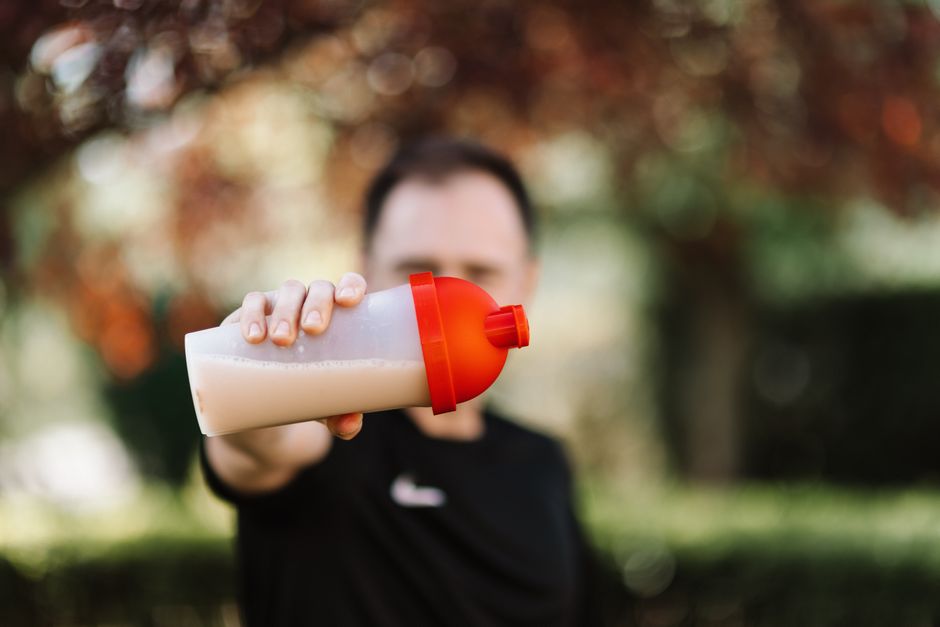
Whey protein is a dairy-based protein powder that adults use to build muscle and hit daily protein goals. Whether it is safe for kids depends less on the whey itself and more on why a child would take it. For most healthy children who eat a varied diet, whey protein is unnecessary. There is no established clinical guideline recommending protein powder supplements for children, and some situations — particularly kidney conditions or inborn errors of metabolism — make extra protein genuinely risky.
Is Whey Protein Safe For Kids Risks And Benefits?
Whey protein is not toxic to children. It is a normal component of cow’s milk, and children who drink milk or eat yogurt are already consuming it. The question of safety is really a question of dose, context, and need.
For a child with a typical diet, adding a protein supplement usually provides protein the body does not require. Protein needs in childhood are higher per kilogram of body weight than in adults, but they are met easily through food. According to the USDA’s Dietary Guidelines for Americans, most children in the United States already consume adequate protein without supplements.
The risks of whey protein in children fall into a few categories:
- Unnecessary nutrient load. Excess protein is broken down and the nitrogen waste is filtered by the kidneys. In a healthy child, this is generally tolerated, but it offers no benefit.
- Displacement of real food. A protein shake can replace meals or whole foods that supply iron, fiber, and other nutrients a growing body needs.
- Digestive upset. Whey, especially concentrate, contains lactose. Lactose-intolerant children may experience gas, bloating, or diarrhea.
- Allergy risk. Children with a cow’s milk protein allergy should not use whey protein. This is a medical contraindication, not a preference.
- Additives and contaminants. Many powders contain added sugars, artificial sweeteners, or stimulants. Independent testing has found that some protein powders contain heavy metals such as lead and cadmium, though levels vary widely by product.
The benefits claimed for whey protein in children are largely borrowed from adult research on muscle recovery and athletic performance. That research does not automatically transfer to children, whose bodies are still growing and whose nutritional priorities differ.
How Much Protein Does a Child Actually Need?
Children need protein for growth, immune function, and tissue repair, but the amounts are modest and easily met with food. The Recommended Dietary Allowance (RDA) for protein established by the National Academies is based on age:
| Age Group | Protein RDA (grams per day) |
|---|---|
| Children 4–8 years | 19 g |
| Children 9–13 years | 34 g |
| Girls 14–18 years | 46 g |
| Boys 14–18 years | 52 g |
To put this in perspective, one large egg provides about 6 grams of protein, a cup of milk about 8 grams, and a 3-ounce serving of chicken roughly 20 to 25 grams. A peanut butter sandwich on whole wheat bread can supply 12 to 15 grams. Most children reach their RDA without effort.
This matters because a single scoop of whey protein isolate commonly contains 20 to 25 grams of protein — close to or exceeding an entire day’s requirement for a younger child. When a supplement delivers that much protein on top of a normal diet, the child is not gaining a benefit. They are simply processing extra nitrogen through the kidneys and potentially filling up on a drink instead of a meal.
When Might a Doctor Recommend Protein Supplements for a Child?
There are legitimate clinical situations where a pediatrician or registered dietitian might recommend a protein supplement. These are specific and medical, not general wellness scenarios.
Children with failure to thrive, cystic fibrosis, certain gastrointestinal conditions that impair absorption, or those recovering from severe illness or surgery may need concentrated protein and calories. In these cases, the supplement is typically a medical food — not a retail whey powder — and the decision is made by a clinician who is monitoring the child’s growth and lab values.
Even in these situations, the choice of product matters. Medical nutrition formulas are designed for pediatric use and tested for appropriate nutrient ratios. Standard adult whey protein powders are not formulated with children’s needs in mind.
Some clinicians also see adolescent athletes who train heavily and struggle to eat enough. Even here, the guidance is usually to increase protein from food first. No clinical guidelines currently recommend routine whey protein supplementation for healthy adolescent athletes.





Are There Risks Specific to Young Athletes?
For teenagers who train seriously, protein needs do rise somewhat above the RDA, and the evidence on whether supplements help is mixed. Some studies in adult athletes suggest that protein timing around workouts can support muscle recovery, but the effect is small when total daily protein is already adequate.
For adolescents, the same principle applies. If total protein intake is sufficient, adding a shake likely adds nothing. If intake is insufficient, food is the preferred source because it brings other nutrients along with the protein.
The bigger risk for young athletes is not protein deficiency. It is the culture around supplements — the pressure to use powders, the belief that more is better, and the potential for products marketed as “performance enhancers” to contain undisclosed substances. Some protein powders sold online have been found in independent testing to contain stimulants, steroids, or other compounds not listed on the label. For a child or teenager, this is a meaningful concern.
There is also a psychological dimension worth naming. When a young person starts using protein supplements to control their body composition, it can be an early sign of disordered eating. Parents who notice a child becoming preoccupied with protein intake, weight, or “clean” eating should take that seriously and consider talking to a pediatrician.
What About Whey Protein Allergy and Lactose Intolerance?
Whey protein is one of the two main proteins in cow’s milk, along with casein. A true cow’s milk protein allergy is an immune reaction and can be serious. Symptoms range from hives and vomiting to difficulty breathing. Children with a diagnosed milk allergy should avoid whey protein entirely.
Lactose intolerance is different. It is a digestive issue, not an immune one. Whey protein concentrate contains some lactose, while whey protein isolate contains very little. A child who is lactose intolerant might tolerate isolate better than concentrate, but this is a clinical judgment, not a general rule.
Many children outgrow a milk protein allergy, but this should be confirmed by a doctor before reintroducing whey. Parents should not assume a child has outgrown it based on time alone.
What Should Parents Do Instead?
For the vast majority of children, the answer is to focus on food. Protein from eggs, dairy, meat, poultry, fish, beans, lentils, soy, and nuts provides not just protein but also iron, zinc, B vitamins, and other nutrients that a powder does not replicate.
If a parent is worried that their child is not getting enough protein, the first step is to look at what the child actually eats over a week, not a single day. Children’s intake varies widely day to day, and a one-day snapshot can be misleading.
If there is a genuine concern — poor growth, a restricted diet, a chronic condition, or a diagnosed deficiency — the right move is to talk to a pediatrician or a registered dietitian. They can assess whether a supplement is needed and, if so, recommend a product appropriate for the child’s age and health status.
What parents should not do is introduce a whey protein supplement because it seems healthy or because an older sibling or parent uses one. A supplement that supports an adult’s fitness goals may be irrelevant or even counterproductive for a growing child.
Frequently Asked Questions
Can a child drink whey protein shakes every day?
There is no established guideline supporting daily whey protein shakes for healthy children, and most do not need them. Regular use could displace more nutritious foods and, in some cases, add unnecessary protein and additives.
Is whey protein safe for a 10-year-old?
Whey itself is not toxic, but a 10-year-old’s protein needs are modest — about 19 to 34 grams per day depending on age — and are usually met through food. A supplement is generally unnecessary unless a doctor recommends it for a specific medical reason.
What happens if a child has too much protein?
A healthy child’s kidneys can process extra protein, but there is no benefit to the excess. In children with kidney disease or certain metabolic disorders, high protein intake can be harmful, which is why medical guidance matters.
Can whey protein cause an allergic reaction in kids?
Yes. Whey is a milk protein, and children with a cow’s milk protein allergy can have reactions ranging from digestive upset to hives or breathing difficulty. A child with a diagnosed milk allergy should not use whey protein.
