
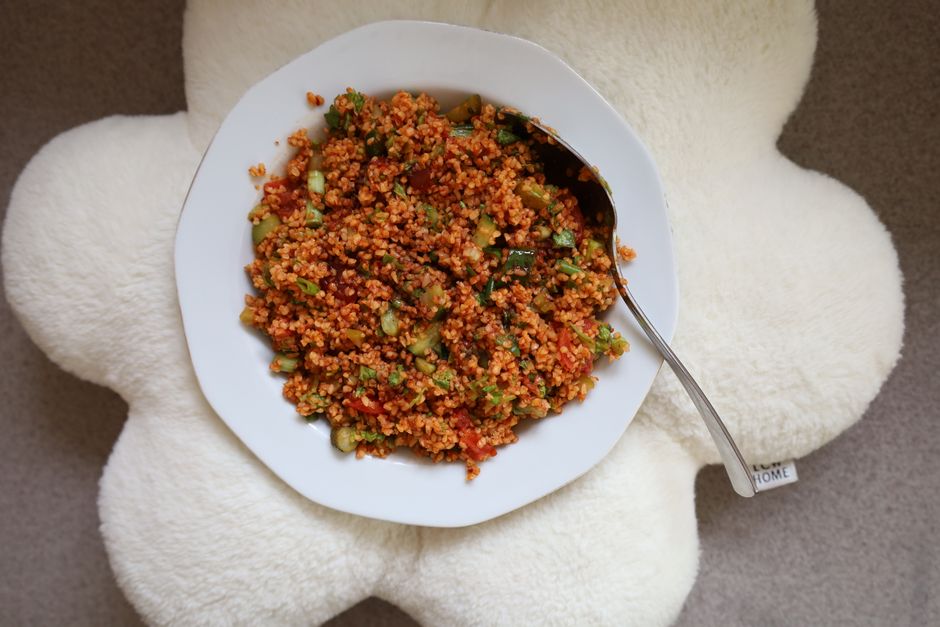
Bulgur is whole wheat that has been parboiled, dried, and cracked into pieces. That processing makes it faster to cook than most whole grains, but it does not strip away the bran or the germ. So bulgur keeps the fiber, minerals, and most of the nutrients that make whole grains worth eating. For most people, it is a genuinely healthy grain and one of the easiest whole grains to work into everyday meals.
What Is Bulgur, Exactly?
Bulgur is made from wheat kernels — usually durum wheat — that are cooked, dried, and then broken into coarse, medium, or fine pieces. Because the bran and germ stay in place, it counts as a whole grain. That is the key point, and it separates bulgur from refined wheat products like white flour or standard pasta.
The parboiling step is what sets bulgur apart. It partially cooks the grain before it is cracked, which is why bulgur rehydrates in about 10 to 15 minutes with just hot water. Compare that to brown rice or whole wheat berries, which can take 30 to 45 minutes or more. The convenience is real, and it comes without the nutrient loss you get from refining.
Bulgur shows up across Middle Eastern and Mediterranean cooking — in tabbouleh, in pilafs, in soups, and as a base for grain bowls. Fine bulgur is often used raw in salads after soaking. Coarser bulgur works better for hot dishes.
Is Wheat Bulgur Healthy? What the Nutrition Shows
Bulgur is a nutrient-dense whole grain, and the numbers back that up. A one-cup serving of cooked bulgur provides roughly 150 calories, about 8 grams of fiber, and around 6 grams of protein. It is low in fat and has no added sugar.
That fiber figure matters. Most adults in the US fall short of recommended fiber intake, and whole grains like bulgur are one of the more practical ways to close the gap. Fiber supports digestive health and helps with fullness after meals.
Bulgur also delivers a range of vitamins and minerals. It is a notable source of manganese, magnesium, iron, and B vitamins, including niacin and folate. These are nutrients the body needs for energy metabolism, muscle and nerve function, and oxygen transport in the blood.
One thing to keep in mind: bulgur is wheat, so it contains gluten. Anyone with celiac disease or a wheat allergy needs to avoid it. That is not a minor footnote — it is a firm exclusion for those groups.
How Does Bulgur Compare to Other Grains?
Bulgur holds up well against other whole grains, and in some cases it comes out ahead. Its fiber content is higher than brown rice and similar to or slightly higher than quinoa. Its calorie count is comparable to other cooked grains.
| Grain (1 cup cooked) | Calories | Fiber | Protein |
|---|---|---|---|
| Bulgur | ~150 | ~8 g | ~6 g |
| Brown rice | ~215 | ~3.5 g | ~5 g |
| Quinoa | ~220 | ~5 g | ~8 g |
| Oats (cooked) | ~165 | ~4 g | ~6 g |
These are approximate values from standard nutrient databases, and they vary a little by variety and cooking method. The takeaway is that bulgur is a strong choice on fiber and calories, and a reasonable one on protein. Quinoa edges it out on protein and is naturally gluten-free, which matters for anyone avoiding wheat.
For most people, the best grain is the one they will actually eat regularly. Bulgur’s quick cooking time gives it an edge there.





Does Bulgur Help With Blood Sugar and Heart Health?
Whole grains, including bulgur, are consistently linked to better heart health and more stable blood sugar compared to refined grains. Research on whole grain intake and cardiovascular outcomes has generally found an association with lower risk of heart disease and type 2 diabetes. This is an association across populations, not proof that bulgur alone prevents disease.
The reason bulgur is gentler on blood sugar than white rice or white bread comes down to structure. Its intact bran and its coarse particle size slow digestion, so glucose enters the bloodstream more gradually. This is a well-established principle for whole grains generally.
Bulgur sits relatively low on the glycemic index compared to refined grains, though exact values vary by how it is cooked and what it is eaten with. If you have diabetes, bulgur can fit into a balanced eating plan, but portion size and the rest of the meal still matter. Talk with your care team about how any grain fits your specific plan.
Is Bulgur Better Than White Rice or Refined Grains?
On nutrient content, yes. Bulgur keeps its bran and germ, while white rice has had both removed. That means bulgur delivers more fiber, more minerals, and more B vitamins per serving than white rice. Refined grains are often enriched to add back some vitamins, but the fiber is not restored.
That said, “better” depends on context. White rice is easier to digest and sometimes recommended during bouts of stomach upset. Bulgur’s higher fiber can be a drawback for people with certain digestive conditions, or for anyone who needs to increase fiber slowly to avoid bloating and gas.
If you are used to eating mostly refined grains, switching some meals to bulgur is a practical upgrade. You do not have to swap every grain at once.
Who Should Be Careful With Bulgur?
Bulgur is not right for everyone, and the reasons are specific.
- Celiac disease: Bulgur contains gluten and must be avoided. There is no safe amount for people with celiac disease.
- Wheat allergy: Bulgur is wheat, so it triggers reactions in people allergic to wheat.
- Fiber sensitivity: People with IBS or other digestive conditions may find bulgur’s fiber hard to tolerate. Some clinicians recommend a low-fiber diet during flare-ups.
- Low-FODMAP diets: Wheat is a source of fructans, which some people on a low-FODMAP plan are advised to limit. Check with a dietitian if this applies to you.
For everyone else, bulgur is well tolerated and fits easily into a balanced diet. If you are not used to much fiber, add it gradually and drink enough water.
How Do You Cook and Use Bulgur?
Bulgur is one of the least fussy whole grains to prepare. For most dishes, you pour boiling water over it — roughly two parts water to one part bulgur — cover it, and let it sit for about 10 to 15 minutes until the water is absorbed. Fine bulgur needs less time; coarse bulgur needs a bit more.
From there, it is flexible. Use it in tabbouleh, as a base under stews, mixed into soups, or chilled in grain salads. It takes on whatever flavors you add, which makes it easy to work into meals you already cook.
Store dry bulgur in an airtight container in a cool, dark place. Cooked bulgur keeps in the refrigerator for a few days.
The Bottom Line on Bulgur
Bulgur is a whole grain that earns its place in a healthy diet. It is high in fiber, provides useful minerals and B vitamins, and cooks far faster than most whole grains. It is a clear step up from refined grains on nutrient content.
It is not a magic food, and no single grain is. Its main limits are gluten and fiber — real considerations for people with celiac disease, wheat allergy, or certain digestive conditions. For most people, bulgur is a simple, affordable, and genuinely nutritious addition to everyday eating.
Frequently Asked Questions
Is bulgur healthier than quinoa?
They are close, and both are nutritious whole grains. Bulgur tends to have more fiber and fewer calories per cup, while quinoa has slightly more protein and is naturally gluten-free.
Is bulgur gluten-free?
No. Bulgur is made from wheat, so it contains gluten and is not safe for people with celiac disease or a wheat allergy.
Can bulgur help with weight loss?
Its fiber and protein can help you feel full, which may support appetite control as part of a balanced diet. No single food causes weight loss on its own.
Is bulgur good for people with diabetes?
Bulgur is a whole grain that digests more slowly than refined grains, so it can fit into a balanced eating plan. Portion size and the rest of the meal still matter, so check with your care team.
