
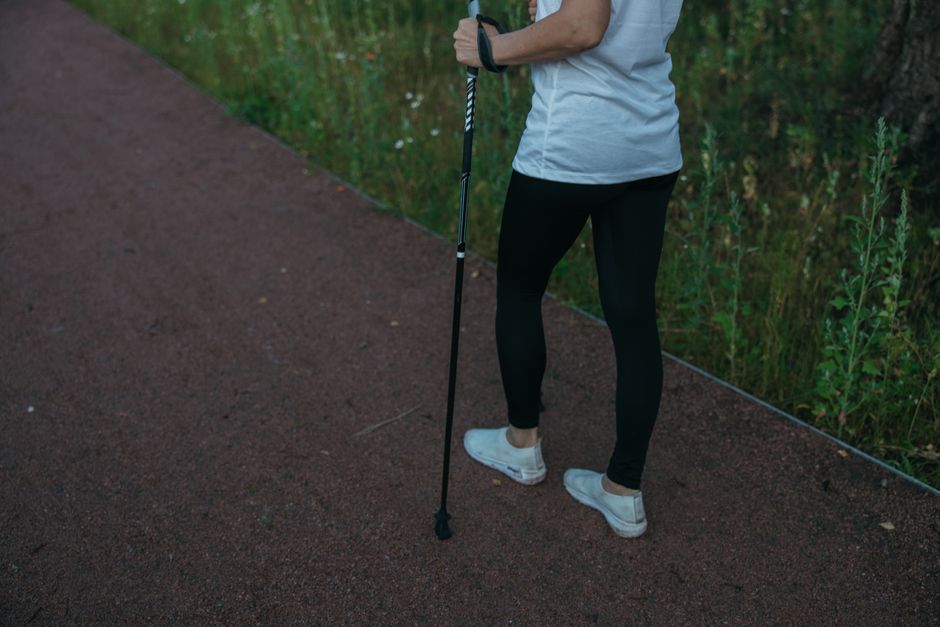
When diarrhea hits, the last thing most people want to do is move. But the question of whether walking helps or hurts often comes up, especially for people trying to maintain an exercise routine. The short answer is that light walking is generally safe for mild diarrhea, but it is not a treatment. Walking will not stop diarrhea, and in some cases, it can make symptoms worse if you are dehydrated or feeling weak. The real priority is hydration and rest, with movement kept gentle and short.
What Happens to Your Body During Diarrhea
Diarrhea means your stools are loose and watery, and you pass them more often than usual. The digestive system is moving food through the intestines too quickly, so the colon does not have enough time to absorb water back into the body.
This rapid transit is often caused by an infection, food intolerance, or medication. The intestinal lining becomes irritated, and fluid is pushed out rather than absorbed. The result is a loss of water and electrolytes like sodium, potassium, and chloride.
Your body is working hard to fight off whatever caused the problem. Blood flow increases to the digestive tract, and your immune system ramps up. This is why you feel tired and why strenuous exercise is a bad idea during an active episode.
Is Walking Good For Diarrhea What You Need To Know
Walking is not a remedy for diarrhea. It does not slow the gut or reduce inflammation. What walking can do is help you maintain a sense of normalcy and prevent muscle stiffness from lying down all day.
Light walking for 10 to 15 minutes may be fine if you feel up to it. The key word is light. A slow stroll around your home or block is very different from a brisk walk or a jog. If you are experiencing frequent trips to the bathroom, cramps, or fever, stay home and rest instead.
There is no clinical evidence that walking shortens the duration of diarrhea. Some research suggests that gentle movement can support overall digestive health over time, but that applies to regular activity, not movement during an active illness.
The Biggest Risk: Dehydration
Dehydration is the main danger with diarrhea, and walking increases fluid loss through sweat. When you are already losing fluids rapidly, adding more loss through physical activity can tip you into dehydration faster.
Signs of dehydration include dark urine, dry mouth, dizziness, and feeling unusually tired. If you experience any of these, stop walking immediately and drink fluids. Do not push through the discomfort.
For most adults with mild diarrhea, oral rehydration solutions are the best choice. These contain the right balance of water, sugar, and salt that the intestines can absorb. Sports drinks are not ideal because their sugar content can sometimes worsen diarrhea.
Water alone is not enough when you have lost significant electrolytes. If you cannot keep fluids down for more than 24 hours, or if you feel dizzy when standing, seek medical attention.




When Walking Makes Things Worse
Walking can worsen diarrhea in specific situations. If you are dehydrated, physical activity reduces blood flow to the intestines even further, which can slow recovery. It can also trigger abdominal cramping because the movement jostles an already irritated digestive tract.
Fever is a clear sign that walking is not a good idea. A fever means your body is fighting an infection, and exercise raises your core temperature further. This can make you feel worse and prolong the illness.
If your diarrhea is accompanied by vomiting, walking is off the table. You are losing fluids from both ends, and the risk of dehydration rises sharply. Rest in bed, sip fluids slowly, and focus on recovery.
Blood in the stool is another reason to stop all activity and contact a healthcare provider. This is not something to manage with rest and fluids alone.
How to Walk Safely If You Choose To
If you decide to walk, keep it short and slow. A 10-minute gentle stroll is enough to stretch your legs without taxing your system. Stay close to home so a bathroom is always accessible.
Drink fluids before and after walking. Sip an oral rehydration solution or water before you head out. Do not wait until you feel thirsty, because thirst is already a sign of mild dehydration.
Wear loose clothing and avoid layers that cause sweating. The goal is to prevent additional fluid loss, not to break a sweat. If you start to feel warm or dizzy, stop and sit down.
Pay attention to how you feel during the walk. If cramps intensify or you feel nauseous, turn back. Your body is giving you clear signals, and ignoring them will only delay recovery.
What to Eat and Drink Instead
The BRAT diet — bananas, rice, applesauce, and toast — is a common recommendation for diarrhea. These foods are bland, low in fiber, and easy to digest. They do not cure diarrhea, but they are less likely to irritate the gut while it recovers.
Other gentle options include boiled potatoes, plain crackers, and clear broths. Avoid dairy, fatty foods, spicy dishes, and anything high in sugar. Caffeine and alcohol can also worsen dehydration and should be avoided until symptoms resolve.
Probiotics are sometimes suggested to restore healthy gut bacteria after diarrhea. Some studies show they may shorten the duration of infectious diarrhea, but the evidence is not strong enough to recommend them universally. If you choose to take them, know that results vary.
Oral rehydration solutions are the most reliable option for replacing fluids and electrolytes. These are available at most pharmacies without a prescription. Follow the package instructions for mixing and dosing.
When to See a Doctor
Most diarrhea resolves on its own within a few days. But certain symptoms require medical attention. Seek care if diarrhea lasts more than two days for an adult, or more than 24 hours for a child or older adult.
Other warning signs include a fever above 101°F, severe abdominal or rectal pain, stools that are black or contain blood, and signs of dehydration that do not improve with fluids. If you have a weakened immune system or a chronic condition like inflammatory bowel disease, contact your doctor sooner.
Diarrhea in infants and young children needs more urgent attention. Children dehydrate faster than adults, and the consequences are more serious. Contact a pediatrician if a child under six months has diarrhea, or if an older child shows signs of dehydration.
Medications for diarrhea, like loperamide, are available over the counter. But they are not appropriate for everyone. If you have a fever or blood in your stool, do not take these medications, as they can make an infection worse.
Returning to Normal Activity
Once diarrhea stops, do not jump back into intense exercise immediately. Give your body a day or two to recover. Start with light walking and see how you feel.
Your gut needs time to rebuild its normal flora and reabsorb fluids properly. Returning to heavy exercise too soon can trigger a relapse or leave you feeling exhausted.
Reintroduce regular foods gradually. Start with bland options, then add fruits, vegetables, and proteins over a few days. If symptoms return, step back to simpler foods and give your system more time.
Maintaining a consistent walking routine after recovery supports overall digestive health. Regular physical activity is linked to healthier bowel habits and lower rates of constipation. But during an active bout of diarrhea, rest is the priority.
Frequently Asked Questions
Should I walk if I have diarrhea?
Light walking is generally safe for mild diarrhea, but it will not help you recover faster. If you feel weak, dizzy, or have a fever, rest instead of walking.
Can walking make diarrhea worse?
Yes, walking can worsen diarrhea if you are dehydrated, have a fever, or are experiencing severe cramping. Physical activity increases fluid loss and can irritate the digestive tract further.
How long should I wait to exercise after diarrhea?
Wait at least 24 to 48 hours after symptoms resolve before returning to intense exercise. Start with light walking and gradually increase intensity if you feel well.
What is the fastest way to recover from diarrhea?
Rest and oral rehydration solutions are the most reliable ways to recover. Drink fluids frequently, eat bland foods like bananas and toast, and avoid dairy, caffeine, and fatty foods.
