
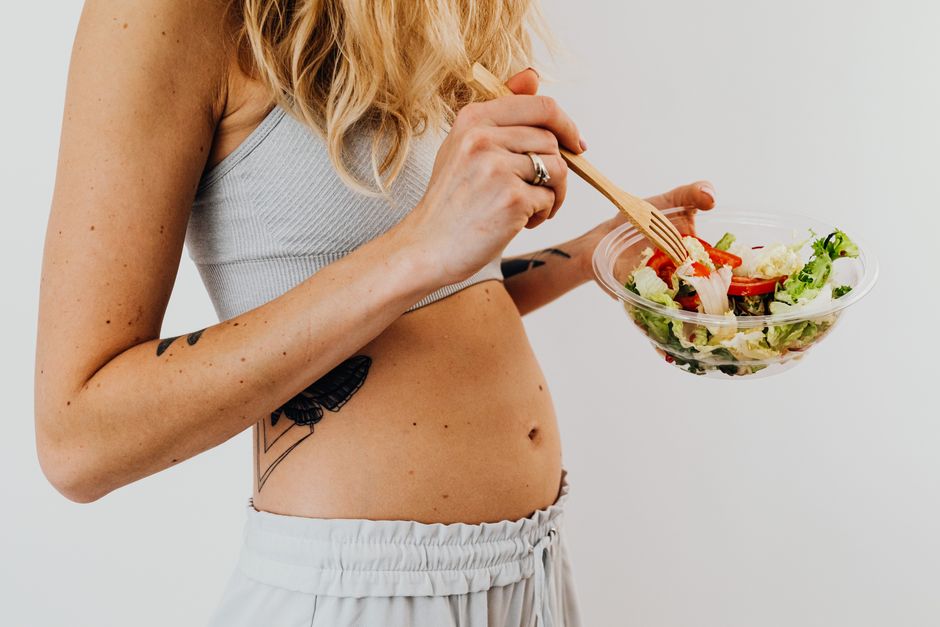
If you have diarrhea, a salad might seem like a healthy choice. It is not. Raw vegetables and high-fiber foods can make diarrhea worse, not better. The roughage in lettuce, the insoluble fiber in carrots and celery, and the natural acids in dressings all irritate an already sensitive digestive tract. Eating salad during a bout of diarrhea often leads to more cramping, more urgency, and more trips to the bathroom.
Why Does Salad Make Diarrhea Worse?
The main problem is fiber. Not all fiber is the same. There are two types: soluble and insoluble. Soluble fiber dissolves in water and forms a gel-like substance that helps firm up stool. Insoluble fiber does not dissolve. It stays mostly intact as it moves through your gut, adding bulk and speeding up digestion.
Salad greens, raw carrots, bell peppers, and celery are all high in insoluble fiber. When you already have diarrhea, your digestive system is moving waste through your body too quickly. Adding more insoluble fiber pushes things along even faster. The result is more frequent and more watery stools.
The National Institute of Diabetes and Digestive and Kidney Diseases notes that people with diarrhea should avoid high-fiber foods, especially raw vegetables. This is not a controversial opinion. It is standard medical advice found in every major gastroenterology textbook.
What Does Research on Salad and Diarrhea Show?
Research published in the Journal of the American Medical Association has examined how different types of fiber affect stool consistency. The findings are clear: insoluble fiber increases stool frequency and water content in people with diarrhea-predominant irritable bowel syndrome. Raw vegetables are one of the highest sources of this type of fiber.
A study from the University of Michigan Health System looked at dietary triggers for acute diarrhea. Raw vegetables and salads were among the most commonly reported triggers. The researchers noted that cooking vegetables breaks down some of the insoluble fiber, making them easier to tolerate. But raw salads, by their nature, skip that step.
Some people report that small amounts of well-cooked vegetables are okay during mild diarrhea. That is different from eating a large raw salad. The evidence does not support eating raw vegetables when your stool is loose and frequent.
Is Salad Good For Diarrhea Heres Why Its Not: The Fiber Breakdown
Let us look at the specific fiber content of common salad ingredients. This table shows why a salad is the wrong choice when you have diarrhea.
| Salad Ingredient | Fiber Type | Effect on Diarrhea |
|---|---|---|
| Romaine lettuce | Mostly insoluble | Increases stool speed and water content |
| Raw carrots | Mostly insoluble | Can worsen cramping and urgency |
| Celery | Mostly insoluble | Adds roughage that irritates the gut |
| Bell peppers | Mostly insoluble | Skin is hard to digest during illness |
| Cherry tomatoes | Mixed, but skin is insoluble | Acidic seeds can irritate further |
| Cucumber | Insoluble and skin is tough | High water content dilutes stool |
| Cooked white rice | Soluble | Helps firm stool |
| Mashed potatoes (no skin) | Soluble | Gentle and binding |
Notice the pattern. Every raw vegetable in a typical salad contains mostly insoluble fiber. The foods that actually help diarrhea, like cooked white rice and plain mashed potatoes, contain soluble fiber. The difference is not subtle. It is the difference between making things worse and making things better.
What Should You Eat Instead of Salad During Diarrhea?
The BRAT diet has been recommended for decades. The acronym stands for bananas, rice, applesauce, and toast. These foods are low in insoluble fiber and easy to digest. Bananas are particularly useful because they also provide potassium, which you lose when you have diarrhea.
Other safe options include:
- Plain oatmeal or cream of wheat made with water
- Boiled or baked potatoes without the skin
- Plain crackers like saltines
- Clear broth or bouillon
- Plain chicken or turkey without skin or seasoning
- Well-cooked carrots or green beans (no raw)
The key is to choose foods that are low in fiber, low in fat, and low in sugar. Fat and sugar both pull water into the intestine, which makes diarrhea worse. Salad dressing is often high in both fat and sugar or vinegar. Even a light vinaigrette can trigger more loose stools because vinegar is acidic and can irritate the gut lining.
Once your stool starts to firm up, you can slowly add more foods back. But start with cooked vegetables, not raw salads. The American Gastroenterological Association recommends waiting at least 24 hours after your last loose stool before trying raw vegetables again.
What Are the Risks of Eating Salad With Diarrhea?
There are three main risks. The first is dehydration. Diarrhea already causes fluid loss. When you eat a salad, the insoluble fiber speeds up transit time, meaning less water is absorbed in your colon. You lose even more fluid. Severe dehydration can lead to kidney problems and electrolyte imbalances, especially in older adults and young children.
The second risk is nutrient malabsorption. When food moves through your digestive tract too quickly, your body does not have time to absorb vitamins and minerals. Eating a salad for its nutrients during diarrhea is counterproductive because you will absorb very little of what you eat. The fiber in the salad also binds to some minerals like calcium and iron, preventing their absorption.
The third risk is bacterial contamination. Salads are a common source of foodborne illness. If your diarrhea is caused by a bacterial infection like salmonella or E. coli, eating raw vegetables that may carry similar bacteria can prolong your illness. The CDC reports that leafy greens are one of the top sources of foodborne illness outbreaks in the United States. When your immune system is already fighting an infection, adding more potential pathogens is a bad idea.
When Can You Safely Eat Salad Again?
You do not need to avoid salads forever. The question is timing. Most people can return to raw vegetables once their stool has been solid for at least 24 to 48 hours. Even then, start with small amounts. A side salad with a few simple ingredients is safer than a large entree salad loaded with multiple raw vegetables and a heavy dressing.
Some people with chronic digestive conditions like irritable bowel syndrome may never tolerate large raw salads well. That is a separate issue from acute diarrhea. If you have a diagnosed condition, work with a registered dietitian to find the right balance of fiber for your body.
For the average person recovering from a short bout of diarrhea, the safest approach is to reintroduce cooked vegetables first. Steamed carrots, green beans, or spinach are much gentler than raw versions. After a few days of eating cooked vegetables without problems, you can try a simple salad with lettuce and one or two other ingredients. If your stool remains solid, you can gradually increase the variety and amount.
Common Misconceptions About Salad and Diarrhea
There is a widespread belief that eating raw vegetables is always healthy, even when you are sick. That is not true. Healthy for a normal digestive system is different from healthy for an irritated one. A salad provides excellent nutrition under normal circumstances. During diarrhea, it provides the wrong type of fiber at the wrong time.
Another misconception is that the water content in salad helps with hydration. While lettuce and cucumbers are mostly water, the insoluble fiber they contain counteracts any hydration benefit. The fiber speeds up transit time so much that the water passes through without being absorbed. Drinking plain water or an oral rehydration solution is far more effective for hydration than eating a water-rich salad.
Some people think that because salads are low in fat, they must be safe for diarrhea. But fat is only one trigger. The fiber content and the acidity of ingredients like tomatoes, vinegar, and citrus are equally important. A low-fat salad can still cause significant digestive distress.
The bottom line is simple. When you have diarrhea, your digestive system needs rest and easily absorbed nutrients. A raw salad provides neither. Stick to the BRAT diet or similar low-fiber foods until your stool returns to normal. Then, and only then, can you safely enjoy a salad again.
Frequently Asked Questions
Can I eat a small salad if I have mild diarrhea?
Even a small salad can trigger worse symptoms because raw vegetables contain insoluble fiber that speeds up digestion. It is safer to wait until your stool has been solid for at least 24 hours.
Is cooked lettuce better than raw lettuce for diarrhea?
Cooking lettuce breaks down some of the fiber, but lettuce is still mostly water and has very little nutritional value during illness. Cooked carrots or green beans are a better choice.
Does salad dressing make diarrhea worse?
Yes, most salad dressings are high in fat, sugar, or vinegar, all of which can worsen diarrhea. Oil-based and creamy dressings are especially problematic because fat stimulates bowel movements.
How long should I wait before eating salad after diarrhea stops?
Wait at least 24 to 48 hours after your last loose stool before trying raw vegetables. Start with a simple salad and stop if symptoms return.
