
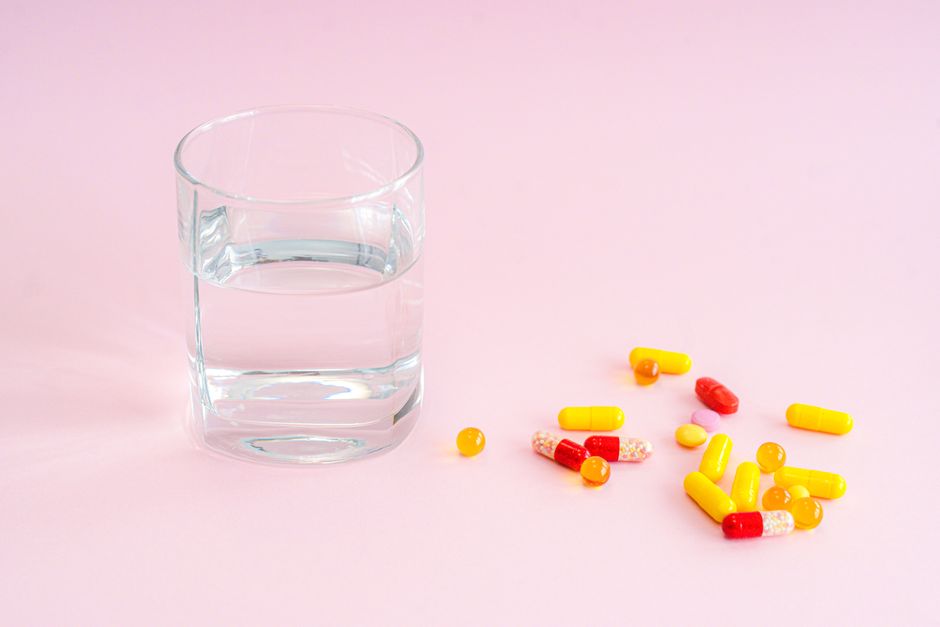
Vitamin water is not always low FODMAP. Whether a bottle qualifies depends almost entirely on what sweeteners and additives the manufacturer used, and those ingredients vary widely from brand to brand and even between flavors of the same brand. Plain water has no FODMAPs at all. Once vitamins, minerals, and flavorings are added, the answer stops being simple.
FODMAP stands for fermentable oligosaccharides, disaccharides, monosaccharides, and polyols. These are short-chain carbohydrates that some people, particularly those with irritable bowel syndrome, absorb poorly. When they reach the large intestine, gut bacteria ferment them. That process can cause gas, bloating, cramping, and changes in bowel habits.
So the real question is not whether vitamin water sounds healthy. It is whether the specific ingredients in a specific bottle contain FODMAPs. That requires reading the label, not the marketing.
What Makes a Drink High or Low FODMAP?
The sweetener is usually the deciding factor. FODMAPs in beverages come mostly from the sugars and sugar alcohols used to add flavor or reduce calories.
High FODMAP sweeteners include:
- High fructose corn syrup
- Honey
- Agave syrup
- Sorbitol
- Mannitol
- Xylitol
- Erythritol, which is debated but often grouped with polyols
- Inulin and chicory root fiber
Low FODMAP sweeteners include:
- Sucrose (table sugar) in moderate amounts
- Glucose
- Stevia
- Aspartame
- Sucralose
- Acesulfame potassium
This is where vitamin water gets complicated. Many brands use crystalline fructose, which is a concentrated form of fructose. Fructose is a monosaccharide and is considered high FODMAP in larger amounts. Some people tolerate small quantities. Others do not.
Adding vitamins does not change the FODMAP content. Vitamins are not carbohydrates, so they do not ferment. Vitamin C, B vitamins, and electrolytes like sodium and potassium do not contribute to FODMAP load. The base liquid and the sweetener do.
Is Vitamin Water Low Fodmap Not Always? Why the Answer Changes by Brand
There is no single “vitamin water” product. The term describes a category, not a formula. Glacéau Vitaminwater, for example, is a Coca-Cola brand with its own ingredient list. Store-brand vitamin waters, sports drinks marketed as vitamin-enhanced, and small-batch “enhanced waters” all use different recipes.
Glacéau Vitaminwater’s standard formulas have historically used crystalline fructose and cane sugar as sweeteners. Crystalline fructose is a high FODMAP ingredient. That means most standard Vitaminwater flavors would not qualify as low FODMAP in a strict elimination phase.
Some brands use only stevia or monk fruit. Those are generally considered low FODMAP. Others use sugar alcohols to cut calories, which can be a problem because polyols like sorbitol and mannitol are among the most common FODMAP triggers.
Even within one brand, flavors can differ. A citrus flavor might use one sweetener blend while a berry flavor uses another. You cannot assume that because one bottle was fine, the next one will be.
Why FODMAP Sensitivity Is Not the Same for Everyone
FODMAP reactions are dose-dependent and individual. Two people can drink the same bottle and have completely different responses.
This matters because FODMAP intolerance is not an allergy. It is a functional issue related to how the gut processes certain carbohydrates. People with irritable bowel syndrome are more likely to react. People without IBS often tolerate the same drinks without symptoms.
Small amounts may be fine. A few sips of a high FODMAP drink probably will not trigger symptoms in most sensitive people. A full bottle might. The threshold varies by person and by how much else they ate that day.
Stress, gut motility, and the rest of the meal also play a role. FODMAPs stack. If you already ate high FODMAP foods at lunch, adding a high FODMAP drink can push you over your personal threshold.




How to Read a Vitamin Water Label for FODMAPs
Start with the ingredients list, not the nutrition facts panel. The ingredients list tells you what is actually in the bottle. The nutrition panel tells you how much sugar, but not what kind.
Look for these red flags:
- High fructose corn syrup
- Crystalline fructose
- Agave
- Honey
- Inulin or chicory root
- Any ingredient ending in “-ol” (sorbitol, mannitol, xylitol, maltitol)
Ingredients that are generally safe:
- Carbonated water or filtered water
- Citric acid
- Natural flavors, though these can occasionally contain problematic compounds
- Stevia, monk fruit, aspartame, sucralose
- Vitamins and minerals
One detail worth knowing: “natural flavors” is a broad category. It can include dozens of compounds, and in rare cases those compounds may contain FODMAPs. Most are used in such tiny amounts that they are unlikely to matter, but a highly sensitive person may still react.
Are There Low FODMAP Vitamin Waters?
Yes, but you have to look for them specifically. A few brands make unsweetened or stevia-sweetened vitamin waters that would generally fit a low FODMAP approach.
Plain sparkling water with added vitamins and no sweetener is usually the safest choice. So is water with a squeeze of lemon or lime, which is low FODMAP in normal serving sizes.
If you want flavored vitamin water, look for these characteristics:
- No fructose or high fructose corn syrup
- No sugar alcohols
- No inulin or chicory root fiber
- Sweetened with stevia, monk fruit, or a small amount of sucrose
Keep in mind that “low FODMAP” is not a regulated claim on beverage labels in the United States. A brand can market itself as gentle or gut-friendly without meeting any specific standard. The Monash University FODMAP app is one of the few resources that tests specific products and reports verified results.
What About the Vitamins Themselves?
Vitamins do not contain FODMAPs. Vitamin C, B-complex vitamins, vitamin D, and electrolytes like magnesium and potassium are not fermentable carbohydrates.
However, some vitamin waters add fiber or prebiotics. Those are carbohydrates and can be high FODMAP. Inulin, chicory root fiber, and some gums fall into this category. If the label lists added fiber, check what kind.
Magnesium is worth a separate note. Some magnesium forms, particularly magnesium citrate and magnesium oxide, can cause loose stools at higher doses. That is not a FODMAP effect, but it can cause digestive symptoms that get confused with a FODMAP reaction.
Should You Avoid Vitamin Water on a Low FODMAP Diet?
Not necessarily. The low FODMAP diet is not meant to be permanent for most people. It is typically used as a short-term elimination phase followed by structured reintroduction.
During the strict elimination phase, the safest approach is to stick with plain water or clearly low FODMAP beverages. Once you reach the reintroduction phase, you can test specific vitamin waters one at a time and track your response.
If you are working with a dietitian, bring the actual bottle or a photo of the label. General advice about “vitamin water” is not useful because the category is too broad. The specific ingredients are what matter.
People without IBS or FODMAP sensitivity generally do not need to worry about FODMAPs in vitamin water at all. The concern applies mainly to people who have been advised to follow a low FODMAP diet by a clinician.
Key Takeaways
Vitamin water is not automatically low FODMAP. Some brands and flavors are, and some are not. The difference comes down to sweeteners, added fiber, and sugar alcohols.
Reading the ingredient list is the only reliable way to know. Marketing terms like “enhanced,” “infused,” or “naturally flavored” tell you nothing about FODMAP content.
If you are following a low FODMAP diet for IBS or another digestive condition, treat each vitamin water as a separate product. Test one at a time. And if you are unsure, plain water with a slice of lemon remains the simplest low FODMAP choice.
Frequently Asked Questions
Is Vitamin Water low FODMAP?
Not always. Standard Glacéau Vitaminwater formulas have used crystalline fructose, which is high FODMAP, so most of those flavors would not qualify during a strict elimination phase. Some other brands that use stevia or monk fruit instead may be low FODMAP.
What sweeteners in vitamin water are high FODMAP?
High fructose corn syrup, crystalline fructose, honey, agave, and sugar alcohols like sorbitol, mannitol, and xylitol are all high FODMAP. Inulin and chicory root fiber are also high FODMAP if they appear on the label.
Can I drink vitamin water on a low FODMAP diet?
It depends on the specific product and your personal tolerance. During the strict elimination phase, plain water or clearly low FODMAP drinks are safer choices. During reintroduction, you can test individual vitamin waters one at a time.
Do vitamins in vitamin water contain FODMAPs?
No. Vitamins and minerals are not fermentable carbohydrates, so they do not contribute to FODMAP load. The FODMAP content comes from the sweeteners, added fiber, and base ingredients.
