
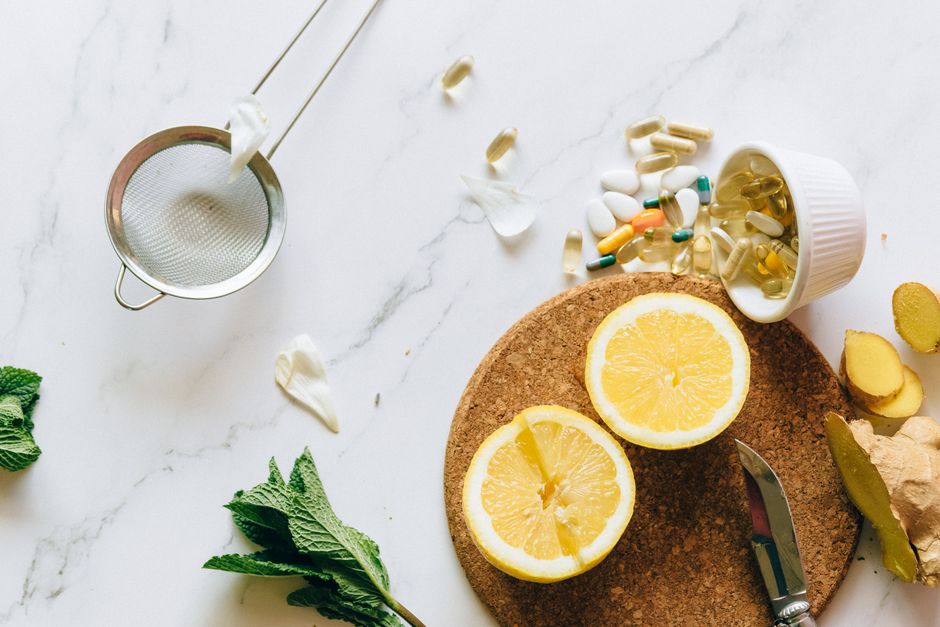
Vitamin C is an essential nutrient that your body cannot make on its own. You must get it from food. The best sources are fruits and vegetables, especially citrus fruits, berries, and several common vegetables. A single serving of many of these foods can provide more than your entire daily need.
What Foods Supply Vitamin C?
The foods with the highest vitamin C content are almost all plant-based. Citrus fruits like oranges and grapefruit are the most famous sources, but they are not the most concentrated. A medium orange provides about 70 mg of vitamin C. That covers most of the recommended daily intake for adults.
Many vegetables actually contain more vitamin C per serving than citrus fruits. Red bell peppers are a standout. A single half-cup of raw red pepper delivers more than 95 mg. Green bell peppers contain less but still offer a solid amount. Broccoli, Brussels sprouts, and cauliflower are also reliable sources.
Other excellent fruits include kiwi, strawberries, and papaya. One medium kiwi provides roughly 64 mg. A cup of sliced strawberries offers about 85 mg. Guava is one of the most concentrated sources available, with a single fruit providing over 125 mg.
How Much Vitamin C Do You Actually Need?
The recommended daily allowance for adult men is 90 mg. For adult women, it is 75 mg. Pregnant women need 85 mg, and breastfeeding women need 120 mg. Smokers need an additional 35 mg per day because smoking increases oxidative stress and depletes vitamin C faster.
These amounts are easy to reach with a normal diet. One serving of red pepper, one kiwi, or one orange each covers most or all of your daily requirement. You do not need supplements to meet these targets if you eat a reasonable variety of produce.
The body can only absorb a limited amount of vitamin C at one time. Doses above 200 mg are mostly excreted in urine. Eating high-dose supplements does not meaningfully increase blood levels beyond what a balanced diet achieves. This is why food sources are generally the preferred way to meet your needs.
Does Cooking Destroy Vitamin C?
Vitamin C is water-soluble and heat-sensitive. Cooking reduces the amount that remains in food. Boiling is the most destructive method because it leaches the vitamin into the cooking water. Steaming, microwaving, and stir-frying preserve more of it because they use less water and shorter cooking times.
Eating raw produce is the surest way to get the most vitamin C. If you prefer cooked vegetables, choose methods that minimize water contact. A quick steam or a brief sauté retains significantly more vitamin C than boiling for extended periods.
Storage time also matters. Vitamin C degrades slowly over time after harvest. Produce that sits in your refrigerator for a week loses some of its original content. Buying fresh produce and eating it within a few days gives you the highest amounts.





Which Fruits Are Highest in Vitamin C?
Citrus fruits are well known, but several other fruits surpass them. Guava tops the list among common fruits. A single guava can provide over 200 mg, more than double the adult requirement. Kiwi, papaya, and strawberries are also concentrated sources.
Mangoes and pineapple provide moderate amounts. A cup of pineapple chunks offers about 79 mg. A cup of sliced mango provides roughly 60 mg. Cantaloupe and watermelon contain smaller amounts but still contribute to your total intake.
Berries are consistently good sources. Strawberries lead the group. Raspberries, blackberries, and blueberries contain less but still add meaningful amounts to your diet. Frozen berries retain most of their vitamin C because they are frozen shortly after harvest.
Which Vegetables Are Highest in Vitamin C?
Red bell peppers are the top vegetable source. A half-cup of raw red pepper contains more vitamin C than an orange. Green bell peppers, while lower, still provide a substantial amount. Chili peppers and jalapeños are also concentrated sources.
Broccoli and Brussels sprouts are excellent cooked options. A half-cup of cooked broccoli provides about 51 mg. Brussels sprouts offer a similar amount. Both retain a significant portion of their vitamin C when lightly steamed.
Leafy greens contribute smaller amounts. Kale, spinach, and Swiss chard all contain vitamin C but in lower concentrations than peppers or broccoli. Cabbage, especially when raw in slaws or salads, provides a modest amount. Potatoes also contribute vitamin C, particularly when eaten with the skin.
Table: Vitamin C Content of Common Foods
| Food | Serving Size | Approximate Vitamin C |
|---|---|---|
| Red bell pepper | 1/2 cup raw | 95 mg |
| Orange | 1 medium | 70 mg |
| Kiwi | 1 medium | 64 mg |
| Broccoli | 1/2 cup cooked | 51 mg |
| Strawberries | 1 cup sliced | 85 mg |
| Pineapple | 1 cup chunks | 79 mg |
| Guava | 1 fruit | 125 mg |
| Grapefruit | 1/2 fruit | 38 mg |
Can You Get Too Much Vitamin C From Food?
It is very difficult to consume too much vitamin C from food alone. The upper limit for adults is 2,000 mg per day. Reaching that level through diet would require eating an unrealistic amount of produce every day. Your body also regulates absorption from food more efficiently than from supplements.
High doses from supplements can cause digestive upset. Diarrhea, nausea, and stomach cramps are the most common symptoms. These effects typically appear only at doses well above 2,000 mg. They resolve quickly when you reduce the dose.
There is no established benefit to consuming more than the recommended daily amount. Vitamin C does not prevent the common cold in most people, despite popular belief. Some research suggests it may slightly shorten the duration of a cold, but it does not stop you from catching one.
Who Is at Risk for Vitamin C Deficiency?
Severe deficiency causes scurvy, a condition that is rare in developed countries. Symptoms include fatigue, gum bleeding, joint pain, and poor wound healing. Scurvy develops after several months of consuming almost no vitamin C.
Certain groups face higher risk of inadequate intake. People who eat very limited diets, such as those avoiding most fruits and vegetables, are at risk. Smokers need more vitamin C because their bodies use it faster. Older adults with poor appetite may also fall short.
People with malabsorption conditions, such as Crohn’s disease, may struggle to absorb vitamin C properly. Alcohol use disorder can also interfere with nutrient absorption. In these cases, a healthcare provider may recommend testing and targeted supplementation.
Frequently Asked Questions
What fruit has the most vitamin C?
Guava has the highest vitamin C content among common fruits, with a single fruit providing over 125 mg. Red bell peppers actually contain more per serving than any citrus fruit.
Is it better to get vitamin C from food or supplements?
Food is generally better because it provides vitamin C alongside other beneficial nutrients like fiber and antioxidants. Supplements are useful for people who cannot meet their needs through diet, but food sources are absorbed well and avoid the risk of excessive doses.
Does freezing destroy vitamin C in fruits and vegetables?
Frozen produce retains most of its vitamin C because it is processed shortly after harvest. Freezing causes some loss, but the amount is usually small compared to the losses from long storage or heavy cooking.
Can vitamin C prevent the common cold?
Vitamin C does not prevent colds in most people. Some research suggests regular supplementation may slightly shorten the duration of a cold, but the effect is small and does not justify high-dose supplements for prevention.
