
Vanilla extract is a kitchen staple, but is it actually good for you? The short answer is that pure vanilla extract offers some real health benefits, but it is not a health food. Its primary value is as a flavoring, and its health effects depend heavily on how it is used and what you add it to. The benefits come from the vanilla bean itself, while the risks come from the alcohol used to make the extract.
What Is Vanilla Extract Made Of?
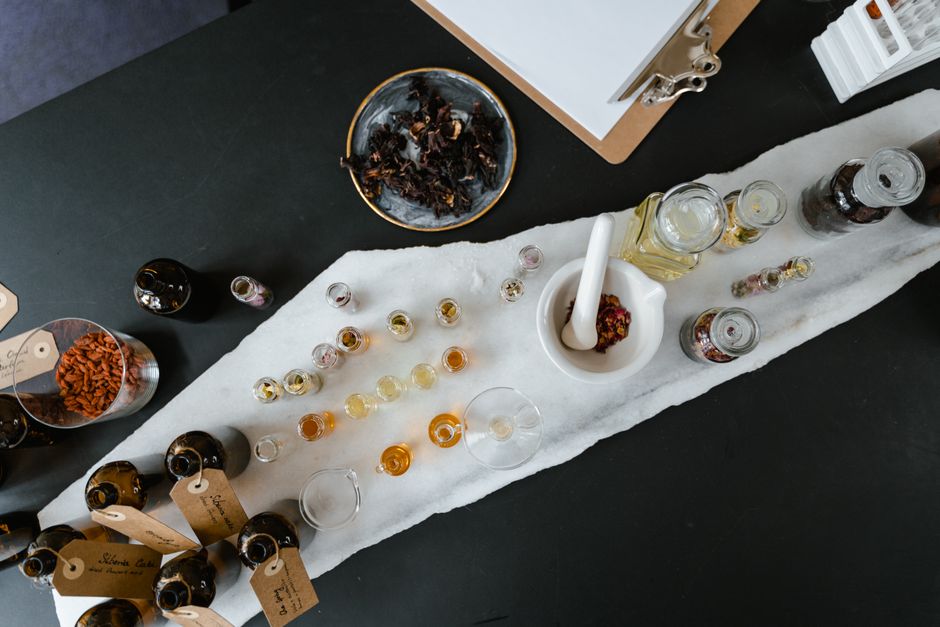
Pure vanilla extract is made by soaking vanilla beans in a mixture of water and ethyl alcohol. The alcohol pulls the flavor compounds out of the bean. The result is a dark liquid that contains hundreds of natural compounds, the most important being vanillin.
Vanillin gives vanilla its signature smell and taste. It is also the compound that researchers have studied most for potential health effects. Some studies suggest vanillin has antioxidant properties. Antioxidants help protect your cells from damage caused by free radicals, which are unstable molecules linked to aging and chronic disease.
Not all vanilla products are the same. Imitation vanilla uses synthetic vanillin, which is chemically similar but lacks the other compounds found in real vanilla beans. The health research on vanilla focuses on the real thing, not the imitation version.
Does Vanilla Extract Have Any Proven Health Benefits?
Research on vanilla extract is limited. Most studies have been done in laboratories or on animals, not on humans. That distinction matters. What works in a petri dish does not always work in the human body.
Some laboratory research indicates that vanillin has anti-inflammatory and antioxidant properties. These are promising findings, but they do not prove that eating vanilla extract will reduce inflammation in your body. The amount of vanillin you get from a teaspoon of extract is small compared to the doses used in research.
There is no solid clinical evidence that vanilla extract treats any specific medical condition. Some traditional medicine systems have used vanilla for digestive issues, but modern research has not confirmed these uses. If you are looking for a proven health supplement, vanilla extract is not it.
Is Vanilla Extract Healthy for Cooking and Baking?
In cooking, vanilla extract can help you reduce sugar. Its strong flavor adds sweetness perception without adding calories. Some research suggests that vanilla can make foods taste sweeter than they are, which may help some people cut back on added sugar.
That is the real health angle for most people. Replacing some sugar with vanilla flavor is a reasonable strategy. But this only works if you actually reduce the sugar in the recipe. Adding vanilla to a recipe without changing anything else does not make the food healthier.
Be careful with the alcohol content. Pure vanilla extract is typically 35% alcohol by volume. That is comparable to commercial vodka. The alcohol mostly cooks off when you bake, but it does not evaporate completely. If you are making no-bake desserts or adding vanilla to cold drinks, the alcohol stays in the food.
What Are the Risks of Vanilla Extract?
The main risk is the alcohol. A standard bottle of pure vanilla extract is about 35% alcohol. Drinking it straight is dangerous, especially for children. A small bottle contains a significant amount of alcohol, and accidental ingestion can cause alcohol poisoning.
For most adults, using vanilla extract in normal cooking amounts is safe. A teaspoon in a batch of cookies is not a concern. But consuming large amounts of vanilla extract is not safe and offers no health benefit.
Some people worry about the coumarin content in vanilla. Coumarin is a compound that can cause liver damage in high doses. However, coumarin is found in tonka beans and cassia cinnamon, not in real vanilla beans. Pure vanilla extract is not a significant source of coumarin.
Allergic reactions to vanilla are rare but possible. If you notice hives, itching, or swelling after consuming vanilla, talk to your doctor. These reactions are uncommon, but they do occur.
Is Vanilla Extract Healthy Compared to Imitation Vanilla?
Imitation vanilla is made from synthetic vanillin, often derived from wood pulp or petroleum byproducts. It is much cheaper than pure vanilla extract. From a health standpoint, both are safe for normal cooking use.
Imitation vanilla lacks the minor compounds found in real vanilla beans. Some of these compounds have antioxidant activity in laboratory studies. But the amounts are tiny, and there is no evidence that real vanilla is meaningfully healthier than imitation vanilla in a normal diet.
The bigger difference is taste. Pure vanilla has a more complex flavor profile. Imitation vanilla is one-dimensional. For health purposes, the choice between them matters less than how much sugar and fat are in whatever you are making.
How Much Vanilla Extract Is Safe to Consume?
There is no official recommended daily intake for vanilla extract because it is not a nutrient or a supplement. The FDA regulates vanilla extract as a food additive and flavoring, not as a health product. No clinical guidelines exist for using vanilla extract as a health treatment.
For cooking purposes, standard recipes use one to two teaspoons. That amount is safe for healthy adults. If you are pregnant, the alcohol content is worth considering. Many healthcare providers suggest using alcohol-free vanilla extract during pregnancy, especially if you use it frequently in cooking.
Alcohol-free vanilla extract is available and widely used. It is made by extracting vanilla flavor using glycerin instead of alcohol. It works well in baking and has no alcohol risk. If you cook for children or avoid alcohol for any reason, this is a good option.
Can Vanilla Extract Help You Lose Weight?
No evidence suggests that vanilla extract causes weight loss. Some marketing claims suggest that vanilla suppresses appetite or boosts metabolism. These claims are not supported by clinical research.
What vanilla can do is support a lower-sugar eating pattern. If you use vanilla to enhance flavor, you may find it easier to accept less sugar in your coffee, yogurt, or baked goods. That behavior change can help with weight management over time. But the vanilla itself is not doing the work.
Be wary of supplements that claim to contain concentrated vanilla for weight loss. These products are not regulated like medications, and their claims are not backed by solid evidence. Your money is better spent on whole foods and proven dietary strategies.
Does Vanilla Extract Have Any Effect on Mood or Sleep?
Some people use vanilla aromatherapy for relaxation. The scent of vanilla is widely considered calming, and some small studies have looked at whether vanilla aroma reduces anxiety. The results are suggestive but not conclusive. Aromatherapy research is difficult to conduct well, and the evidence remains preliminary.
There is no reliable evidence that eating or drinking vanilla extract improves sleep or reduces anxiety. If you enjoy the scent of vanilla, using it in a diffuser or candle is harmless. But do not expect it to treat anxiety or insomnia.
What Is the Bottom Line on Vanilla Extract?
Vanilla extract is a flavorful, low-calorie way to enhance food. It contains compounds with antioxidant properties in laboratory studies, but the amounts you consume in cooking are small. It is not a medicine, and it does not treat or prevent disease.
The practical health benefit is simple: vanilla can help you enjoy foods with less sugar. That is a legitimate reason to keep it in your kitchen. Use pure vanilla extract in normal cooking amounts, switch to alcohol-free versions if that matters to you, and do not believe marketing claims that vanilla is a health supplement.
If you are considering vanilla extract for a specific health condition, talk to your doctor. There is no evidence to support using it as a treatment, and there are safer, proven options for most health goals.
Frequently Asked Questions
Is vanilla extract safe to drink?
No, drinking vanilla extract is not safe because it contains about 35% alcohol. Consuming it straight can cause alcohol poisoning, especially in children.
Is vanilla extract healthy for weight loss?
No evidence shows that vanilla extract causes weight loss. It may help you reduce added sugar in recipes because of its strong flavor, but it has no direct effect on body weight.
Is alcohol-free vanilla extract as good as regular vanilla extract?
Alcohol-free vanilla extract works well in baking and has the same flavor compounds. It is a safe choice for children, pregnant women, and anyone avoiding alcohol.
Can vanilla extract cause allergic reactions?
Allergic reactions to vanilla are rare but possible. Symptoms like hives, itching, or swelling after consuming vanilla should be discussed with your doctor.
