
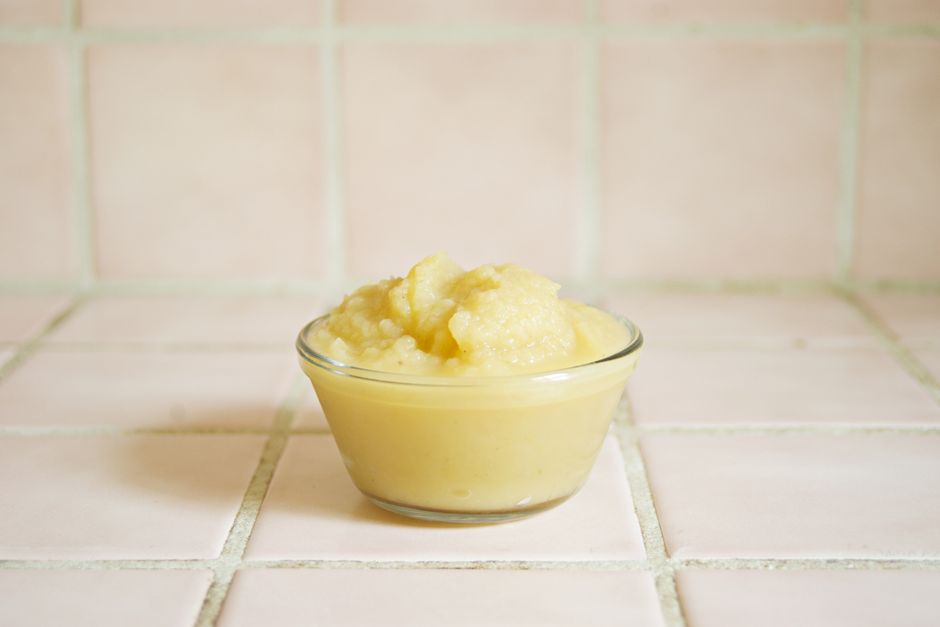
Unsweetened applesauce is a healthy choice for most people. It is simply cooked apples with no added sugar, which means it delivers fiber, vitamin C, and plant compounds without the empty calories found in sweetened versions. While it lacks the skin and some of the fiber of a whole apple, it remains a nutritious, convenient snack that fits well into a balanced diet.
What Is Unsweetened Applesauce?
Applesauce is made by cooking apples down into a soft pulp. Unsweetened applesauce contains only apples, water, and often a little lemon juice or ascorbic acid to preserve color. No sugar, corn syrup, or artificial sweeteners are added.
Sweetened applesauce, by contrast, typically contains added sugar or high-fructose corn syrup. A single half-cup serving of sweetened applesauce can contain around 12 to 15 grams of added sugar. Unsweetened versions contain only the natural sugars already present in the apples themselves — roughly 10 to 12 grams of naturally occurring sugar per half-cup serving.
The difference matters. Added sugars contribute to excess calorie intake without providing nutrients, and the Dietary Guidelines for Americans recommend limiting added sugar to less than 10 percent of daily calories. Choosing unsweetened applesauce is a straightforward way to avoid that unnecessary sugar.
Is Unsweetened Applesauce Healthy?
Yes. Unsweetened applesauce provides real nutritional value with minimal processing. A half-cup serving offers about 50 calories, 12 grams of carbohydrates, and roughly 1.5 grams of fiber. It also contains a small amount of vitamin C and potassium.
Apples contain polyphenols — plant compounds with antioxidant activity. Research suggests these compounds may help reduce inflammation and protect cells from oxidative damage. The cooking process does reduce some of these compounds, but significant amounts remain in applesauce.
One important point: applesauce is not a replacement for whole apples. A medium whole apple with its skin contains about 4 grams of fiber, while the same amount of apple in sauce form contains less. Much of the fiber in apples lives in the skin, and peeling removes it. If fiber is your primary goal, whole apples are the better choice. If convenience and variety matter, unsweetened applesauce still contributes meaningfully to daily fiber intake.
How Does Applesauce Compare to Whole Apples?
Whole apples and unsweetened applesauce share the same basic nutritional profile, but they are not identical.
| Nutrient (per serving) | Medium Whole Apple | Half-Cup Unsweetened Applesauce |
|---|---|---|
| Calories | ~95 | ~50 |
| Carbohydrates | ~25 g | ~12 g |
| Fiber | ~4 g | ~1.5 g |
| Vitamin C | ~8 mg | ~2 mg |
| Potassium | ~195 mg | ~90 mg |
These figures are approximate and vary by apple variety and brand. The key takeaway is that applesauce is more calorie-dense per bite because it is cooked down and partially dehydrated. You can eat more applesauce in one sitting than you would a whole apple, which makes portion control worth considering.
Chewing whole apples also takes longer and promotes satiety. Applesauce goes down quickly. For most people this is not a problem, but if weight management is a goal, it helps to be mindful of portion size.





Does Applesauce Spike Blood Sugar?
Apples have a relatively low glycemic index, typically around 36 for whole fruit. The glycemic index measures how quickly a food raises blood glucose. Applesauce has a slightly higher glycemic response than whole apples because the cooking and pureeing process breaks down some of the fiber and cell walls, allowing sugars to be absorbed faster.
That said, unsweetened applesauce still ranks as a low-glycemic food. It will not cause the rapid blood sugar spikes associated with sugary drinks or refined snacks. People with diabetes can include unsweetened applesauce in their meal plan, but they should account for the carbohydrates and consider pairing it with a protein or fat source, such as plain yogurt or a handful of nuts, to blunt the blood sugar response.
One caution: applesauce is often recommended during episodes of diarrhea or gastrointestinal upset because it is gentle on the stomach. The same quality — easy digestibility — means it delivers sugar to the bloodstream more quickly than whole fruit. For everyday eating, this is not a concern. For someone managing blood sugar closely, it is worth knowing.
What About the Sugar in Applesauce?
All the sugar in unsweetened applesauce is naturally occurring fructose and glucose from the apples themselves. This is not the same as added sugar.
Naturally occurring sugars in whole fruit come packaged with fiber, water, and micronutrients. The body processes them more slowly than the isolated sugars added to processed foods. The World Health Organization recommends limiting free sugars — which include sugars added to foods as well as naturally present in honey, syrups, and fruit juices. Sugars naturally present in whole fruit are not classified as free sugars.
Applesauce sits in a gray area. It is a processed fruit product, but it is not juiced. The fiber is reduced but not removed entirely. Most nutrition experts classify unsweetened applesauce as closer to whole fruit than to juice in terms of health impact. It is a reasonable middle ground.
What Are the Health Benefits of Unsweetened Applesauce?
Research on apple consumption consistently links it to a lower risk of chronic disease. Apples and apple products have been studied for their effects on heart health, weight management, and digestive health.
Some studies suggest that regular apple intake is associated with a reduced risk of cardiovascular disease. The soluble fiber in apples — pectin — binds to cholesterol in the digestive tract and helps remove it from the body. This mechanism is well established. Whether applesauce provides the same benefit as whole apples is less clear, but it does contain pectin.
Applesauce can also be useful for digestion. The pectin in apples acts as a prebiotic, feeding beneficial bacteria in the gut. During illness, applesauce is a staple of the BRAT diet — bananas, rice, applesauce, toast — which is sometimes recommended for diarrhea. The pectin helps firm up stool and the easy digestibility gives the gut a rest.
For athletes, unsweetened applesauce is a quick source of easily absorbed carbohydrates. It is often used as a fuel source during endurance exercise or as a pre-workout snack that does not sit heavy in the stomach.
Are There Any Downsides?
Unsweetened applesauce has few downsides, but they are worth mentioning.
Portion control: Because it is easy to eat quickly, it is easy to overeat. A half-cup serving is a reasonable portion. Eating two or three cups in one sitting adds up to significant calories and sugar, even if it is natural sugar.
Dental health: Applesauce is sticky and can cling to teeth. The natural sugars feed oral bacteria that produce acid and contribute to tooth decay. Rinsing with water after eating applesauce or eating it as part of a meal rather than alone can help mitigate this.
Pesticide residue: Apples frequently appear on lists of produce with higher pesticide residues. Washing apples before cooking helps, but peeling removes most surface residue. The health impact of trace pesticide residues is debated, and the benefits of eating fruit generally outweigh the risks. Choosing organic apples for homemade applesauce is an option if this concerns you.
How to Choose the Best Unsweetened Applesauce
Reading labels matters. The word “unsweetened” on the front does not always tell the whole story.
- Check the ingredient list: It should contain apples, water, and possibly ascorbic acid (vitamin C) or lemon juice. Nothing else.
- Watch for “no added sugar” vs. “unsweetened”: These terms usually mean the same thing, but some products labeled “no added sugar” may contain fruit juice concentrate, which is still added sugar in practice. The ingredient list will reveal this.
- Be aware of “light” or “diet” versions: These often contain artificial sweeteners. If you prefer to avoid those, check the label.
- Consider the packaging: Single-serve cups are convenient but create more waste. Larger jars are more economical. Applesauce is also easy to make at home — simply cook peeled, chopped apples with a little water until soft, then blend or mash.
Homemade applesauce gives you full control over ingredients. You can leave the peels on for extra fiber, though this changes the texture. You can also add cinnamon for flavor without adding sugar.
Is Unsweetened Applesauce Good for Kids?
Unsweetened applesauce is a common first food for babies and a popular snack for children. It is soft, easy to swallow, and naturally sweet.
For infants starting solids, unsweetened applesauce is a reasonable option. It contains no added sugar, which aligns with pediatric guidance to avoid added sugar for children under two. However, it should not replace whole fruits in a child’s diet. Whole fruits teach chewing skills and provide more fiber.
For older children, unsweetened applesauce can be a healthy snack or a way to add moisture to baked goods. Many baking recipes call for applesauce as a substitute for oil or butter. This reduces fat and calories while adding fiber and natural sweetness. It works well in muffins, cakes, and quick breads, though the texture will be slightly denser.
Frequently Asked Questions
Is unsweetened applesauce good for weight loss?
Unsweetened applesauce is low in calories and can be a helpful snack for weight management when eaten in controlled portions. However, it is less filling than a whole apple, so it should not replace whole fruit in a weight loss plan.
Can diabetics eat unsweetened applesauce?
Unsweetened applesauce is a low-glycemic food and can be included in a diabetes meal plan in moderation. Pairing it with protein or fat, such as nuts or yogurt, helps slow sugar absorption.
Is applesauce as healthy as eating an apple?
Unsweetened applesauce is healthy but not identical to a whole apple. Whole apples provide more fiber and vitamin C, and they take longer to eat, which supports satiety.
Does unsweetened applesauce have added sugar?
No. Unsweetened applesauce contains only the naturally occurring sugars found in apples. Always check the ingredient list, as some brands use fruit juice concentrate even when labeled “no added sugar.”
