
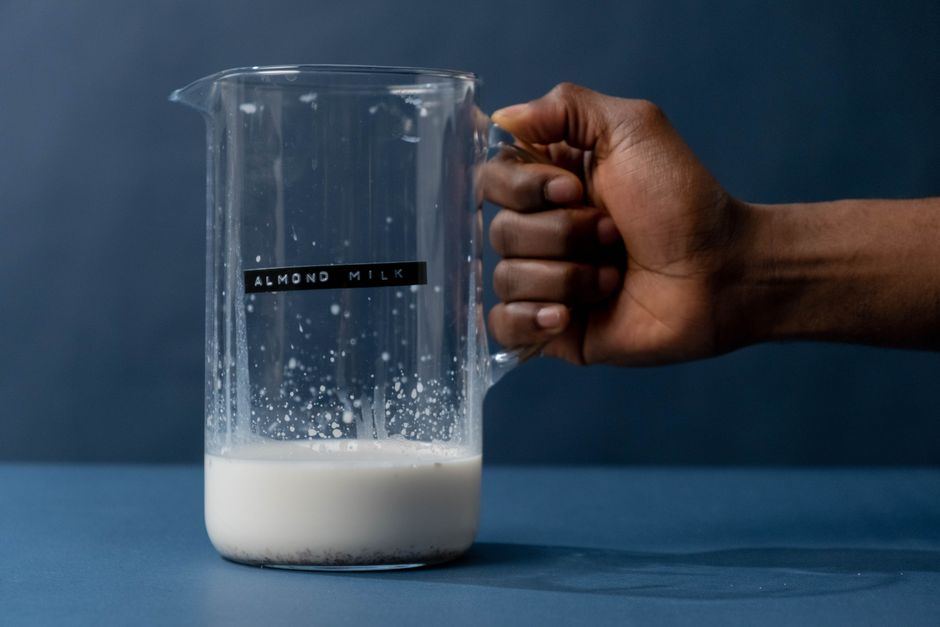
Unsweetened almond milk is a low-calorie plant-based drink that can fit into a healthy diet, but it is not nutritionally equal to dairy milk. It provides very little protein and, unless fortified, almost no calcium or vitamin D. Whether it is “good for you” depends entirely on what else you eat and why you are choosing it.
What Is Unsweetened Almond Milk Actually Made Of?
Commercial almond milk is mostly water. That surprises many people. A typical carton contains only a small percentage of actual almonds.
The basic ingredients are water, almonds, and often a stabilizer or emulsifier to keep the mixture from separating. Unsweetened versions contain no added sugar. Sweetened versions do, sometimes in amounts comparable to flavored dairy milk.
Because almonds are expensive, manufacturers use relatively few of them. The result is a drink that looks like milk but behaves very differently in the body. It is thin, low in calories, and low in most nutrients unless the manufacturer adds them back through fortification.
This matters because many people assume “almond” means “nutritious.” The almond content is real but small. The nutrition label tells the truer story.
Is Unsweetened Almond Milk Good For You Compared to Dairy Milk?
Compared with cow’s milk, unsweetened almond milk falls short on protein and several key nutrients unless it is fortified. Cow’s milk naturally contains about 8 grams of protein per cup. Unsweetened almond milk typically contains around 1 gram.
That gap is significant. Protein supports muscle maintenance, satiety, and normal body function. If you swap dairy for almond milk without adjusting your diet, you may lose a meaningful protein source.
Calcium and vitamin D are the other big differences. Cow’s milk naturally contains calcium. Almond milk does not, unless it is fortified. Many brands do fortify, but levels vary by product.
Here is a general comparison of one cup of each:
| Nutrient | Unsweetened Almond Milk | 2% Cow’s Milk |
|---|---|---|
| Calories | About 30-40 | About 120 |
| Protein | About 1 g | About 8 g |
| Calcium | Varies (often fortified) | About 300 mg |
| Vitamin D | Varies (often fortified) | Often fortified |
| Added sugar | None | None |
| Saturated fat | Low | About 3 g |
These are approximate values. Actual numbers depend on the brand and whether the product is fortified. Always check the label.
Who Might Benefit From Unsweetened Almond Milk?
Unsweetened almond milk can be a reasonable choice for certain people. Its low calorie count makes it appealing for those managing weight. Its low saturated fat content suits people watching their heart health.
People with lactose intolerance or a milk allergy often turn to it. So do those following vegan or dairy-free diets. For these groups, it fills a practical gap.
- People who want a low-calorie milk alternative
- Those who avoid dairy for medical or ethical reasons
- Anyone watching saturated fat intake
- People who prefer a lighter texture in coffee or smoothies
But “benefit” here is relative. It is a useful substitute in specific situations. It is not a nutritional upgrade over dairy for most healthy adults.





What Are the Downsides of Unsweetened Almond Milk?
The main downside is nutrient displacement. If almond milk replaces dairy milk in your diet, you may quietly lose protein, calcium, and vitamin D. Over time, that can matter.
Protein is the biggest concern. One cup of almond milk provides roughly 1 gram. If you rely on milk as a protein source, you would need to replace it with something else. Beans, eggs, yogurt, or fortified soy milk can fill that role.
Calcium is another issue. Fortified almond milk can match dairy for calcium, but not all brands fortify equally. Some use calcium carbonate, which absorbs differently than the calcium in dairy. The body can still use it, but the total amount matters more than the source for most people.
There is also a practical point about added ingredients. Some almond milks contain carrageenan, a thickener. Whether carrageenan causes harm in humans is debated. The evidence is mixed, and regulatory agencies generally consider it safe in food amounts. If you are concerned, choose a brand without it.
None of these issues make almond milk “bad.” They simply mean it is not a direct nutritional swap for dairy.
Does Unsweetened Almond Milk Help With Weight Loss?
Unsweetened almond milk can support weight management because it is low in calories. One cup has roughly 30-40 calories versus about 120 in 2% cow’s milk. That difference adds up if you drink milk daily.
But low calories alone do not cause weight loss. Weight depends on total energy balance, not one food. Replacing milk with almond milk helps only if the rest of your diet stays consistent.
There is a subtle trap. Some people choose almond milk for the calorie savings, then eat more elsewhere because they feel less satisfied. Protein and fat drive fullness. Almond milk has little of either. That can leave you hungry sooner.
If weight loss is the goal, the better move is to keep protein high from other sources. Almond milk can be part of that plan, but it is not the driver.
Is Unsweetened Almond Milk Safe For Everyone?
Unsweetened almond milk is generally safe for most adults. The main exception is people with a tree nut allergy. Almonds are tree nuts, and reactions can be serious.
For children, the picture is different. Almond milk is not a suitable replacement for breast milk or infant formula. It lacks the protein, fat, and nutrient profile infants need. For young children, pediatric guidance generally favors breast milk, formula, or cow’s milk over most plant-based milks unless a clinician advises otherwise.
People with thyroid conditions sometimes ask about almond milk. Almonds contain goitrogens, compounds that can affect thyroid function in large amounts. Normal dietary intake is not a known concern for most people. If you have a thyroid condition, discuss it with your clinician rather than avoiding almond milk on your own.
One more point: almond milk is not a good source of iodine, which dairy provides. If you avoid dairy entirely, you may need iodine from other sources. This is a real consideration, not a minor one.
How Do You Choose a Good Unsweetened Almond Milk?
Read the label. That is the single most useful step. Two cartons can differ widely in fortification and additives.
Look for these things:
- Fortified with calcium and vitamin D if you are using it as a dairy substitute
- Unsweetened to avoid added sugar
- Few additives if you prefer a simpler ingredient list
- Protein checked against your overall daily needs
If you want a plant milk closer to dairy in protein, soy milk is the better match. It typically provides around 7-8 grams of protein per cup. Some people avoid soy over concerns about hormones. The evidence does not support harm from normal soy intake in most adults, though this is an area where individual advice from a clinician is reasonable.
For most people, the practical takeaway is simple. Unsweetened almond milk is a fine low-calorie option. It is not a nutritional substitute for dairy on its own. If you use it, make sure your protein, calcium, and vitamin D come from somewhere else.
Frequently Asked Questions
Is unsweetened almond milk good for you?
It can be a healthy low-calorie choice for many adults, especially those avoiding dairy. However, it is low in protein and only nutritious in calcium and vitamin D if fortified.
Is unsweetened almond milk healthier than cow’s milk?
Not overall. Cow’s milk provides about 8 grams of protein per cup, while unsweetened almond milk provides about 1 gram, along with naturally occurring calcium.
Can I drink unsweetened almond milk every day?
Yes, most healthy adults can drink it daily without issue. Just make sure you get enough protein, calcium, and vitamin D from other foods or fortified products.
Is almond milk bad for your thyroid?
Normal dietary amounts are not a known concern for most people. If you have a thyroid condition, talk to your clinician before making changes based on almond milk alone.
