
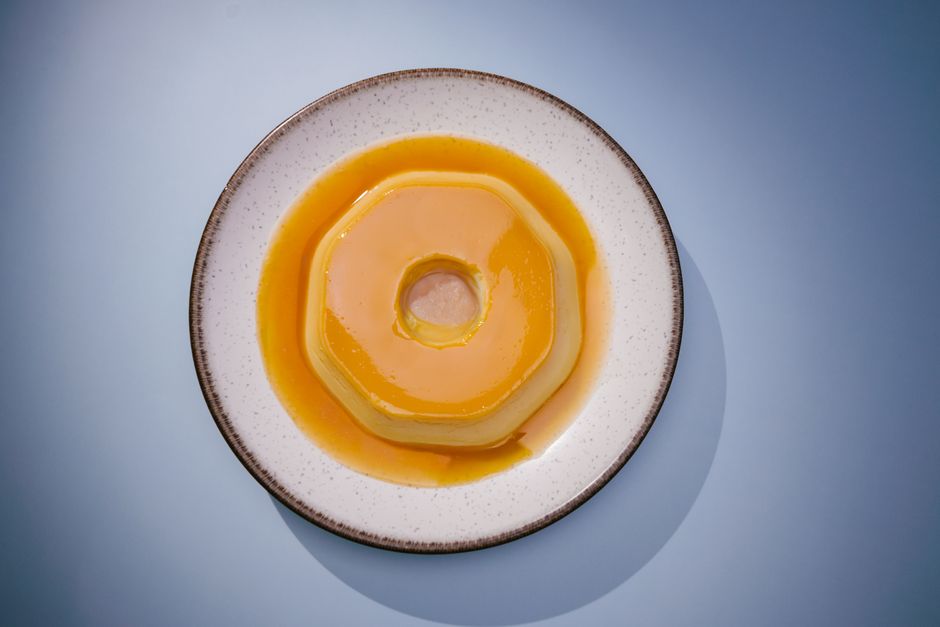
Many people wonder if their favorite pudding contains gelatin. The short answer is: some pudding does and some does not. It depends entirely on the type of pudding and the brand. Instant pudding mixes and many pre-made refrigerated puddings often use gelatin as a thickener. But stovetop pudding recipes and some premium brands rely on other ingredients like cornstarch or eggs instead. This article breaks down exactly what to look for so you can make an informed choice.
What Types of Pudding Typically Contain Gelatin?
Gelatin is a common ingredient in many commercial puddings. It helps create that smooth, firm, and jiggly texture that many people expect. Instant pudding mixes almost always contain gelatin. The gelatin allows the pudding to set quickly without needing to be cooked on the stove. Brands like Jell-O instant pudding are well-known for using gelatin as a key ingredient.
Pre-made refrigerated puddings sold in cups also commonly contain gelatin. These products need a stable structure to hold their shape in the package. Gelatin provides that structure reliably. If you buy a single-serve pudding cup from the grocery store, check the label. There is a high chance gelatin is listed near the top of the ingredients.
Restaurant-style puddings, especially those served in diners or cafeterias, may also use gelatin. It keeps the pudding shelf-stable and consistent in texture over time. However, not all puddings in these settings contain gelatin. Some chefs still make pudding from scratch using cornstarch or eggs.
Which Puddings Are Usually Gelatin-Free?
Stovetop pudding mixes and homemade pudding recipes are typically gelatin-free. These puddings rely on cornstarch, tapioca starch, or egg yolks to thicken. Cook-and-serve pudding mixes from brands like Jell-O or Dr. Oetker use cornstarch as the primary thickener. You cook them on the stove, and they set through starch gelatinization — not animal-derived gelatin.
Premium or artisanal pudding brands often avoid gelatin. Brands like Kozy Shack or Häagen-Dazs use tapioca starch or cornstarch instead. These puddings have a creamier, less jiggly texture compared to gelatin-based puddings. Many consumers prefer this texture because it feels more natural and less processed.
Vegan and kosher-certified puddings are always gelatin-free. Gelatin is derived from animal collagen, so it is never vegan. Kosher certification also prohibits gelatin from non-kosher animals. Brands that cater to these diets use plant-based thickeners like agar-agar, carrageenan, or guar gum. You can find these options in health food stores or the natural foods section of major supermarkets.
How Can You Tell If a Pudding Contains Gelatin?
The most reliable way is to read the ingredient list. Gelatin will be listed plainly as “gelatin” on the label. It is not hidden under a different name like “hydrolyzed collagen” or “animal protein.” If you see gelatin on the list, the pudding contains it. If you do not see it, the pudding is gelatin-free.
Look for the word “instant” on the box. Instant pudding mixes almost always contain gelatin. Cook-and-serve pudding mixes almost never do. This is a quick rule of thumb at the grocery store. But always double-check the ingredients if you need to be certain.
Check the texture. Gelatin-based puddings are firmer and hold their shape when scooped. They have a slight bounce or jiggle. Starch-based puddings are softer and more spoonable. They do not hold a sharp edge when you cut through them. If you have both types side by side, the difference is obvious.





What Are the Common Alternatives to Gelatin in Pudding?
Several thickeners replace gelatin in pudding. Each one produces a slightly different texture. Here are the most common:
- Cornstarch — The most common thickener in cook-and-serve puddings. It creates a smooth, creamy texture. It requires heat to activate and will not set in cold liquid alone.
- Tapioca starch — Often used in premium puddings and dairy-free options. It gives a silky, slightly glossy finish. It is derived from cassava root and is naturally gluten-free.
- Agar-agar — A plant-based gelatin substitute made from seaweed. It sets firmer than gelatin and works at room temperature. It is common in vegan puddings but can feel slightly grainy if not dissolved properly.
- Carrageenan — Extracted from red seaweed. It is used in many commercial dairy and non-dairy puddings. It creates a thick, stable gel. Some people avoid it due to digestive sensitivity, though it is FDA-approved.
- Egg yolks — Used in traditional French-style pudding like crème brûlée or pastry cream. They provide richness and a natural thickening effect. This is the most labor-intensive option.
Each alternative has pros and cons. Cornstarch is cheap and widely available but can turn lumpy if not whisked properly. Agar-agar is vegan but requires precise measurement to avoid a rubbery texture. The best choice depends on your dietary needs and texture preference.
Does Gelatin Affect the Taste or Nutrition of Pudding?
Gelatin has almost no taste on its own. In pudding, it does not add any noticeable flavor. The flavor comes from the milk, sugar, cocoa, vanilla, or other ingredients. You cannot taste the difference between a gelatin-based pudding and a starch-based pudding if the other ingredients are the same.
Nutritionally, gelatin adds a small amount of protein. One serving of gelatin-based pudding may contain about 1 to 2 grams of protein from the gelatin. That is not enough to make a meaningful difference in your diet. Starch-based puddings have no protein from the thickener but may have slightly more carbohydrates from the cornstarch or tapioca.
Gelatin is not a significant source of collagen for skin or joint health. Some people believe eating gelatin-rich foods supports collagen production. The evidence for this is weak. Research published in the journal Nutrients found that hydrolyzed collagen supplements may improve skin hydration and joint pain in some studies, but the effects are modest. Eating pudding is not a reliable way to get those benefits. The amount of gelatin in a single serving of pudding is far lower than what is used in clinical trials.
The table below summarizes the key differences between gelatin-based and starch-based puddings:
| Characteristic | Gelatin-Based Pudding | Starch-Based Pudding |
|---|---|---|
| Thickener | Animal-derived gelatin | Cornstarch, tapioca, or eggs |
| Texture | Firm, jiggly, holds shape | Creamy, soft, spoonable |
| Setting method | Sets in refrigerator without heat | Requires cooking on stovetop |
| Common products | Instant pudding mixes, pudding cups | Cook-and-serve mixes, homemade pudding |
| Dietary compatibility | Not vegan, not kosher without certification | Can be vegan, kosher-friendly |
| Protein content | 1–2 grams per serving from gelatin | Negligible protein from thickener |
Common Misconceptions About Gelatin in Pudding
One widespread myth is that all pudding contains gelatin. This is not true. Many puddings are made with cornstarch or tapioca starch. The pudding aisle at the grocery store has both types. You just have to read the label.
Another misconception is that gelatin is the same as collagen. Gelatin is actually cooked collagen. When collagen is heated, it breaks down into gelatin. Both come from animal connective tissue, but they have different properties. Gelatin forms a gel when cooled. Collagen does not. Pudding labels always say “gelatin,” never “collagen.”
Some people believe that gelatin-free pudding does not taste as good. Taste tests have not found a consistent preference. A 2021 study in the Journal of Food Science compared consumer ratings of gelatin-based and starch-based vanilla puddings. Participants rated both types similarly on flavor. Texture preference varied by individual. Some liked the firmness of gelatin pudding. Others preferred the creaminess of starch pudding. Neither was universally preferred.
There is also a belief that gelatin in pudding is unhealthy. Gelatin itself is not harmful. It is a plain protein. The sugar and artificial flavors in some pudding products are what make them less healthy. A serving of instant chocolate pudding contains about 15 grams of sugar. That is the main concern, not the gelatin.
Frequently Asked Questions
Does Jell-O pudding have gelatin?
Yes, Jell-O instant pudding mixes contain gelatin. Jell-O cook-and-serve pudding mixes do not contain gelatin and use cornstarch instead.
Is there gelatin in store-bought pudding cups?
Most store-bought pudding cups do contain gelatin. Brands like Snack Pack and Jell-O pudding cups list gelatin as an ingredient.
Can I find vegan pudding without gelatin?
Yes, many brands make vegan pudding using agar-agar or carrageenan. Look for brands like Zen Pudding or Simply Delish in the natural foods section.
Does homemade pudding need gelatin to set?
No, homemade pudding sets using cornstarch or egg yolks. You do not need gelatin unless a specific recipe calls for it.
