
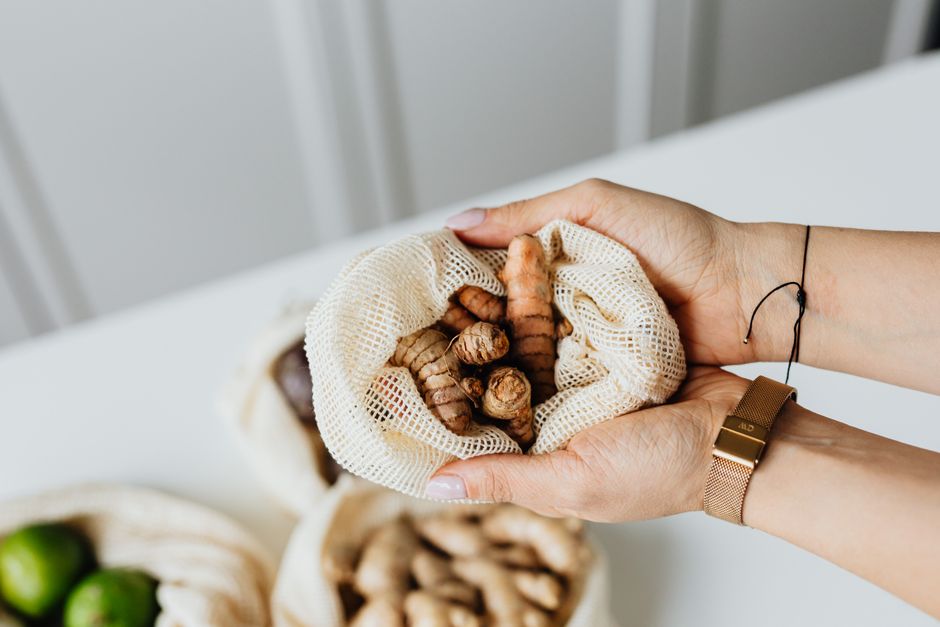
Turmeric is not inherently bad for hypothyroidism, and for most people with an underactive thyroid it is not dangerous. The concern that circulates online is real but narrow: turmeric and its concentrated extracts can interfere with thyroid hormone absorption or, in high doses, affect thyroid function in specific situations. Ordinary amounts used in cooking are not a known problem.
What matters is the dose, the form, and how you take it relative to thyroid medication. A pinch of turmeric in a curry is a very different thing from a daily high-dose curcumin supplement. The distinction between those two is where almost all the confusion comes from.
Does Turmeric Affect Thyroid Function?
Turmeric contains curcumin, the compound responsible for most of its studied biological activity. Curcumin has been examined for effects on inflammation, oxidative stress, and various metabolic pathways. The thyroid has not emerged as a primary target of harm in human research.
Most of what is known about curcumin and the thyroid comes from laboratory and animal studies. Those studies have reported changes in thyroid hormone levels under certain conditions, but animal findings do not automatically translate to humans. Human trials specifically designed to test turmeric’s effect on thyroid function in people with hypothyroidism are limited.
The honest position is this: there is no strong body of human evidence showing that turmeric damages the thyroid or worsens hypothyroidism at typical dietary or supplemental doses. There is also not a strong body of evidence proving it is beneficial. The evidence sits in the middle, and much of it is preliminary.
That does not mean turmeric is risk-free for everyone with a thyroid condition. The risks that do exist are more about interference and interaction than direct harm to the gland.
Is Turmeric Bad For Hypothyroidism Because of Medication Interference?
The most practical concern is not turmeric’s effect on the thyroid itself. It is turmeric’s potential effect on how your body absorbs thyroid hormone replacement medication.
Hypothyroidism is commonly treated with levothyroxine, a synthetic form of thyroxine (T4). Levothyroxine has a narrow absorption window. Many substances can reduce how much of it you absorb if taken at the same time. Calcium, iron, and certain foods are well-documented examples.
Turmeric and curcumin supplements have been flagged as possible absorption interferers, though the human evidence is not as strong as it is for calcium or iron. Some clinicians recommend separating turmeric or curcumin supplements from levothyroxine by several hours as a precaution. This is a reasonable, low-risk habit. It is not the same as saying turmeric is dangerous.
If you take levothyroxine, the general principle that applies to many supplements applies here too: take your medication on an empty stomach, wait as directed by your prescriber, and keep supplements separated from it. Your prescriber or pharmacist can give you specific timing guidance.
Can Turmeric Lower Thyroid Hormone Levels?
Some laboratory and animal research has suggested that high doses of curcumin may influence thyroid hormone levels, including reducing them in certain experimental settings. This is the origin of many alarming headlines.
Two things get lost in those headlines. First, the doses used in animal studies are often far higher, adjusted for body weight, than what a person would typically consume. Second, a finding in rats or mice is a hypothesis, not a conclusion about human health.
Human studies looking at curcumin and thyroid hormone levels are few, and they have not produced consistent evidence that normal use lowers thyroid hormone in people. If you have hypothyroidism and your thyroid levels are already being managed with medication, the bigger variable is whether you are absorbing that medication properly — not whether turmeric is suppressing your thyroid.
This is where a common misconception deserves correction. People sometimes assume that because a substance is “natural,” it cannot interfere with a prescription. The opposite is often true. Natural compounds can and do interact with medications, and turmeric is no exception.





Does Turmeric Help or Hurt Hashimoto’s Thyroiditis?
Hashimoto’s thyroiditis is an autoimmune condition and the most common cause of hypothyroidism in the United States. Because curcumin has been studied for anti-inflammatory effects, some people wonder whether it could help an autoimmune thyroid condition.
There is early interest in this question, but the evidence is not there yet. Some small studies and laboratory work suggest curcumin may influence inflammatory pathways, and a handful of small human studies have looked at curcumin in autoimmune conditions generally. Very little of this research is specific to Hashimoto’s, and the studies that exist are small.
No clinical evidence currently confirms that turmeric treats Hashimoto’s, slows its progression, or reduces thyroid antibody levels in a reliable way. Anyone claiming otherwise is ahead of the science.
That does not make turmeric harmful in this context. It means the honest answer to “will it help my Hashimoto’s” is that we do not know, and the available research is too limited to promise anything.
How Much Turmeric Is Considered Safe?
Turmeric used as a spice in food is generally regarded as safe. It has a long history of culinary use, and the amounts involved are small.
Concentrated curcumin supplements are a different category. They deliver far more curcumin than food does, sometimes with added compounds to improve absorption. Higher doses are more likely to cause side effects and more likely to interact with medications.
Common side effects of curcumin supplements, when they occur, tend to involve the digestive tract — stomach upset, nausea, or diarrhea. Curcumin can also act as a mild blood thinner, which matters for people on anticoagulant or antiplatelet medications. It may affect blood sugar, which matters for people on diabetes medication.
For people with hypothyroidism specifically, the practical points are:
- Turmeric in food is not a known concern for thyroid function.
- Curcumin supplements may interfere with levothyroxine absorption, so timing them apart is a sensible precaution.
- High-dose supplements carry more interaction risk than culinary use.
- Anyone on thyroid medication, blood thinners, or diabetes medication should check with a clinician before starting a curcumin supplement.
There is no established clinical guideline that sets a specific safe upper dose of curcumin for people with hypothyroidism. That guidance does not currently exist, which is itself worth knowing.
Should You Avoid Turmeric If You Have Hypothyroidism?
For most people with hypothyroidism, there is no medical reason to avoid turmeric in food. Cooking with it is not a recognized risk.
The decision point is supplements. If you take levothyroxine or another thyroid medication, talk to your prescriber or pharmacist before adding a curcumin supplement. Bring the actual product so the dose and form can be reviewed. This is a short conversation that resolves most of the uncertainty.
If you already take a curcumin supplement and your thyroid levels have shifted, do not assume turmeric is the cause. Many things affect thyroid hormone levels, including dose changes, other medications, illness, and changes in how you take your medication. Your clinician can help sort out what is actually going on.
The larger point is that hypothyroidism is a condition managed with prescription medication and regular blood monitoring. Supplements are not a substitute for that, and no supplement has been shown to replace thyroid hormone replacement. Turmeric is not an exception.
Frequently Asked Questions
Is turmeric bad for hypothyroidism?
No, turmeric in food is not considered bad for hypothyroidism, and there is no strong human evidence that it harms the thyroid at typical amounts. The main caution applies to concentrated curcumin supplements, which may interfere with thyroid medication absorption.
Does turmeric interfere with levothyroxine?
Turmeric and curcumin supplements have been flagged as possible absorption interferers, though the human evidence is weaker than for calcium or iron. Separating them from your levothyroxine dose by several hours is a reasonable precaution your prescriber can confirm.
Can turmeric lower thyroid hormone levels?
Some animal and laboratory studies suggest high curcumin doses may affect thyroid hormone levels, but human evidence is limited and inconsistent. Normal dietary use has not been shown to lower thyroid hormone in people.
Can turmeric help Hashimoto’s thyroiditis?
No clinical evidence currently confirms that turmeric treats Hashimoto’s or reduces thyroid antibodies reliably. Some early research on curcumin and inflammation exists, but it is not specific enough to support that claim.
