
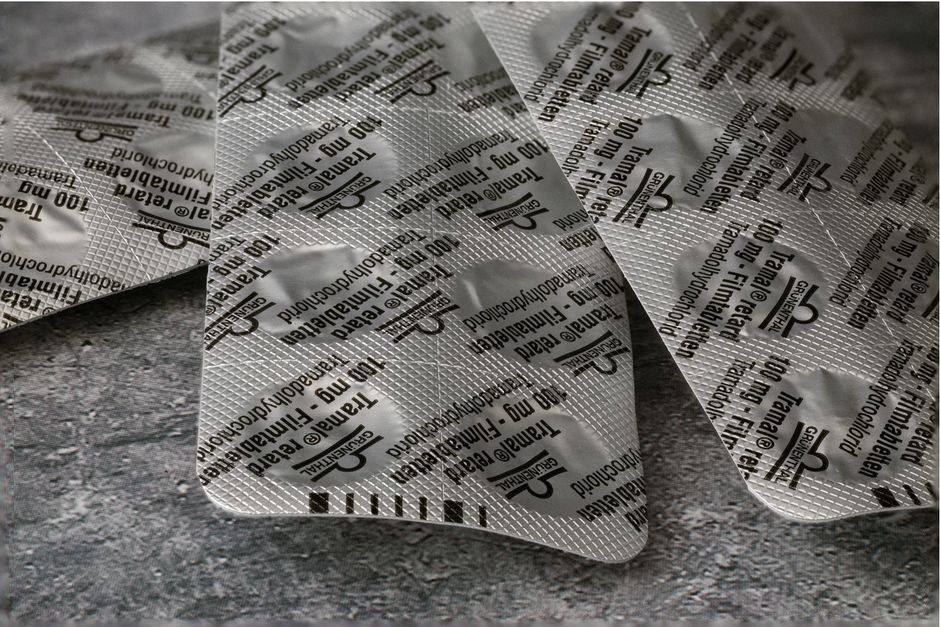
Trazodone is not a narcotic. It is an antidepressant medication, specifically a serotonin antagonist and reuptake inhibitor (SARI), used primarily to treat major depressive disorder. Unlike narcotics — which are opioid pain relievers like morphine, oxycodone, or heroin — trazodone does not produce euphoria, is not classified as a controlled substance under federal law, and does not carry the same addiction profile. However, trazodone is not without risks, and understanding what it is — and what it is not — matters for anyone considering or currently taking this medication.
What Exactly Is a Narcotic?
The word “narcotic” causes confusion because it has two different meanings. In medical and legal settings, a narcotic is an opioid drug. These are substances that bind to opioid receptors in the brain to relieve pain. Common examples include codeine, fentanyl, morphine, and oxycodone. Heroin is an illegal narcotic.
In everyday conversation, people often use “narcotic” to mean any addictive or mind-altering drug. This informal usage is technically incorrect but widespread. Under the Controlled Substances Act, the Drug Enforcement Administration (DEA) classifies narcotics as opioids. Trazodone is not on the DEA’s list of controlled substances at all. It is not scheduled — meaning it has no recognized potential for abuse that would require federal oversight beyond standard prescription monitoring.
This distinction matters because the legal and medical consequences of taking a narcotic versus a non-narcotic are completely different. A narcotic requires special prescribing rules, refill restrictions, and carries a high risk of physical dependence. Trazodone has none of these restrictions.
What Is Trazodone and How Does It Work?
Trazodone belongs to a class of antidepressants known as serotonin antagonists and reuptake inhibitors. It was approved by the FDA for the treatment of major depressive disorder in adults. It works by blocking specific serotonin receptors and slowing the reuptake of serotonin in the brain, which increases serotonin levels available for nerve cell communication.
While originally developed as an antidepressant, trazodone is now prescribed far more often for insomnia. At lower doses — typically much lower than antidepressant doses — it acts as a sedative. This off-label use has become extremely common. Many primary care doctors prescribe low-dose trazodone for sleep difficulties, especially in patients who cannot tolerate other sleep aids.
The sedation from trazodone is not the same as the “high” from a narcotic. It does not activate the brain’s reward center the way opioids do. Trazodone does not cause the rush, euphoria, or pain relief associated with narcotics. Its primary effect at sleep doses is drowsiness.
Is Trazodone Addictive?
Trazodone is not considered addictive in the way narcotics are. It does not produce physical dependence of the opioid type, and it does not typically cause cravings or compulsive drug-seeking behavior. The medical community does not classify it as a drug of abuse.
However, trazodone is not entirely without dependence concerns. Some people develop a psychological reliance on it for sleep. They may feel they cannot fall asleep without it. This is not the same as addiction, but it is a real phenomenon. If you stop trazodone abruptly after taking it for a long time, you may experience withdrawal-like symptoms. These can include anxiety, agitation, nausea, and trouble sleeping. This is called discontinuation syndrome, and it happens with most antidepressants.
Because of this, doctors generally recommend tapering off trazodone gradually rather than stopping suddenly. The key point remains: trazodone does not produce the euphoric effects that drive opioid addiction, and it is not a controlled substance.





Can Trazodone Be Abused?
Any medication can be misused, and trazodone is no exception. Some people take higher doses than prescribed, seeking stronger sedative effects. There are case reports of people using trazodone recreationally, often in combination with other substances. But this is not common, and trazodone is not a drug that most people seek out for recreational purposes.
One reason trazodone has a low abuse potential is its side effect profile. At high doses, it can cause unpleasant effects including dizziness, blurred vision, dry mouth, and a drop in blood pressure when standing up. Some people experience a rare side effect called priapism — a prolonged, painful erection that requires emergency medical treatment. These effects make trazodone unattractive as a drug of abuse.
It is also important to note that mixing trazodone with alcohol or other central nervous system depressants can be dangerous. The sedative effects compound, potentially leading to severe drowsiness, respiratory depression, or overdose. Trazodone should only be taken as prescribed, and patients should discuss all other medications and substances with their doctor.
How Is Trazodone Different From Narcotic Painkillers?
A comparison table helps clarify the differences between trazodone and narcotics.
| Feature | Trazodone | Narcotics (Opioids) |
|---|---|---|
| Drug class | Antidepressant (SARI) | Opioid analgesic |
| Primary use | Depression, insomnia | Pain relief |
| Controlled substance | No | Yes (Schedule II-IV) |
| Produces euphoria | No | Yes |
| High addiction risk | Low | High |
| Mechanism | Affects serotonin | Binds to opioid receptors |
Narcotics bind to opioid receptors in the brain and spinal cord, blocking pain signals and triggering a release of dopamine. This dopamine release is what creates the euphoric high and drives addiction. Trazodone does not interact with opioid receptors at all. Its mechanism of action is entirely different.
The prescribing rules reflect these differences. Narcotics require special prescriptions that cannot be refilled without a new prescription from the doctor. Trazodone can be prescribed with standard refills. Narcotics are tightly monitored by state prescription drug monitoring programs. Trazodone is not.
Common Side Effects and Safety Concerns
Trazodone has side effects that patients should understand before starting it. The most common are drowsiness, dizziness, dry mouth, and headache. Because of its sedating effect, it can impair coordination and reaction time. Patients should not drive or operate machinery until they know how the drug affects them.
There is one important cardiac risk associated with trazodone. In rare cases, it can cause a heart rhythm abnormality called QT prolongation. This condition can lead to a dangerous arrhythmia known as torsades de pointes. The risk is higher in people with existing heart conditions, low potassium or magnesium levels, or those taking other medications that also prolong the QT interval. Doctors may order an electrocardiogram (ECG) before prescribing trazodone to patients with heart disease risk factors.
Trazodone also carries a boxed warning — the most serious warning the FDA issues — regarding an increased risk of suicidal thoughts and behaviors in children, adolescents, and young adults up to age 24. This warning applies to all antidepressants, not just trazodone. Anyone starting trazodone should watch for worsening depression, unusual changes in mood, or thoughts of self-harm, especially in the first few weeks of treatment.
What About Trazodone and Pregnancy or Breastfeeding?
Data on trazodone use during pregnancy is limited. The FDA previously categorized it as Category C, which meant animal studies showed potential risk and no adequate human studies existed. However, the FDA has phased out these letter categories in favor of more detailed narrative labeling. Current guidelines are not definitive.
Some research suggests a possible association between antidepressant use in late pregnancy and a condition called persistent pulmonary hypertension of the newborn, but the overall risk appears low. No clinical guidelines currently exist that specifically address trazodone use in pregnancy. Women who are pregnant, planning to become pregnant, or breastfeeding should discuss the risks and benefits with their doctor before taking trazodone.
Trazodone passes into breast milk in small amounts. The effects on a nursing infant are not well studied. Some case reports describe drowsiness in breastfed infants whose mothers took trazodone. As with pregnancy, there is no established clinical consensus on trazodone during breastfeeding. A doctor can help weigh the maternal need for treatment against potential infant exposure.
Is Trazodone Ever Prescribed for Pain?
No. Trazodone is not a pain medication. It does not have analgesic properties. Some patients with chronic pain take trazodone for sleep, because pain often disrupts sleep, but the drug does not treat the pain itself. A patient who needs both pain relief and help sleeping might be prescribed a pain medication and a separate sleep aid.
This is another clear distinction from narcotics. Narcotics treat pain directly. Trazodone treats depression and insomnia. If someone offers you trazodone for pain, that is not an appropriate use of the medication, and you should ask a doctor or pharmacist for clarification.
Why Do People Confuse Trazodone With a Narcotic?
The confusion likely stems from a few sources. First, the informal use of the word “narcotic” to describe any psychiatric or sedating medication is common. Second, trazodone is often prescribed alongside other medications, and patients may not always understand which drug does what. Third, some people assume that any drug requiring a prescription and causing drowsiness must be a narcotic.
There is also the fact that trazodone’s sedative effect can feel strong, especially in the first week of use. Feeling heavily sedated can be mistaken for the feeling of being “drugged.” But sedation and euphoria are different experiences. Trazodone slows the brain down in a specific way that does not produce the reward-driven high of opioids.
Finally, drug screening can add to the confusion. Trazodone is not detected on standard urine drug tests that screen for opioids, amphetamines, cocaine, or marijuana. It would only appear on a specialized test if a doctor specifically ordered one. A positive drug test for opioids cannot be caused by trazodone.
Frequently Asked Questions
Will trazodone show up on a drug test?
No, standard drug tests do not screen for trazodone. Only a specialized test ordered specifically for that medication would detect it.
Can you take trazodone with narcotic pain medication?
Only under direct medical supervision. Combining trazodone with opioids increases the risk of dangerous sedation and respiratory depression.
Is it safe to take trazodone every night for sleep?
Many people take trazodone nightly for long periods under a doctor’s care, but evidence on long-term use is limited. Discuss the duration of treatment with your prescriber.
Does trazodone cause withdrawal if you stop taking it?
Abruptly stopping trazodone can cause discontinuation symptoms like anxiety, nausea, and insomnia. Tapering the dose under medical guidance reduces these effects.
