
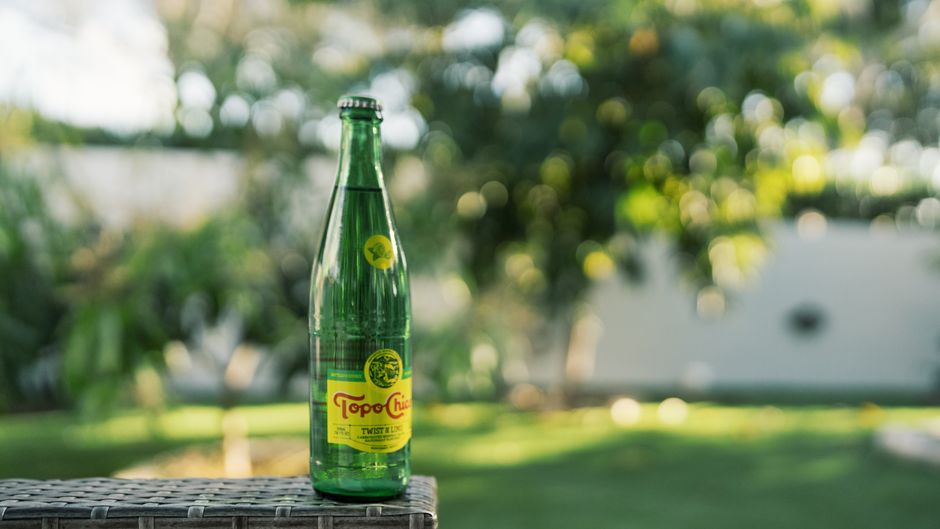
Topo Chico is a sparkling mineral water owned by Coca-Cola, and it has become one of the most popular bubbly waters in the US. The question about its safety centers on two separate concerns: PFAS chemicals found in some samples, and whether carbonated mineral water itself affects liver health. Here is the honest answer. PFAS in Topo Chico has been reported at levels above some proposed safety thresholds, but there is no evidence that drinking it has caused liver disease in people. And carbonation itself is not known to harm the liver.
What Are PFAS and Why Do They Matter for Your Liver?
PFAS stands for per- and polyfluoroalkyl substances. They are a large family of human-made chemicals used since the 1940s in nonstick coatings, food packaging, firefighting foam, and many other products. They are often called “forever chemicals” because the carbon-fluorine bond that holds them together does not break down easily in the environment or in the human body.
This persistence is what makes them a health concern. PFAS can accumulate in the body over time because they are absorbed faster than they are eliminated. The liver is a major site of PFAS handling — it processes these chemicals and can store some of them. This is why liver-related markers show up in studies of PFAS exposure.
What does the research actually show? Some studies have found associations between higher PFAS exposure and changes in liver enzymes, particularly ALT (alanine aminotransferase). Other studies have linked PFAS exposure to higher cholesterol levels. These are associations, not proof of cause and effect. People with higher PFAS levels may differ in other ways that also affect liver health. The evidence is strongest for cholesterol and liver enzyme changes, and weaker for serious liver disease outcomes.
It is worth being precise here. An association means two things tend to appear together. It does not mean one caused the other. This distinction matters enormously when reading headlines about PFAS and health.
Was PFAS Actually Found in Topo Chico?
Yes. Testing commissioned by Consumer Reports and published in 2020 found PFAS in several sparkling water brands, including Topo Chico. The specific finding was that Topo Chico contained PFAS at a level that exceeded a safety threshold proposed at the time by the nonprofit Environmental Working Group.
That threshold — 1 part per trillion for a combined group of PFAS — was a proposed health-protective guideline, not a legally enforceable federal limit at the time. This distinction is important. Exceeding a proposed guideline is not the same as exceeding a legal standard, and neither is the same as causing harm in a person drinking that water.
Following the report, Coca-Cola stated that it would work with its supplier to reduce PFAS levels. Some later testing has suggested lower levels, though independent comprehensive data on current Topo Chico PFAS content is limited. If you want current information, the most reliable source is the manufacturer or independent testing organizations that publish their methods.
What the finding does not show is that anyone developed liver disease from drinking Topo Chico. No such case has been documented. The concern is about cumulative exposure over years, not about a single bottle or even regular moderate consumption.
Is Carbonated Mineral Water Itself Bad for Your Liver?
No. Carbonation does not harm the liver. The bubbles in sparkling water are carbon dioxide, dissolved under pressure. When you drink it, the carbon dioxide forms carbonic acid, which is mild and does not damage liver tissue.
The liver’s job is to process everything you consume — food, medications, alcohol, and yes, water. Carbonated water is still water. It does not add a meaningful metabolic burden to the liver.
What can harm the liver is a different list entirely: heavy alcohol use, chronic viral hepatitis, excess body fat leading to fatty liver disease, certain medications in high doses, and some herbal supplements. Sparkling mineral water is not on that list.
One nuance worth knowing: some people confuse sparkling mineral water with tonic water or sweetened soda. Tonic water contains added sugar or high-fructose corn syrup in many brands, and regular soda consumption is linked to fatty liver disease through its sugar content. Topo Chico in its plain mineral water form does not contain added sugar. Some flavored varieties may contain added ingredients, so reading the label matters if you are watching sugar intake.





How Does PFAS Exposure Compare to Other Liver Risks?
This is where perspective helps. PFAS exposure is a real public health concern, but for an individual, the relative contribution to liver risk is generally considered smaller than major established factors. The table below puts common liver stressors in context.
| Risk Factor | Strength of Evidence for Liver Harm | Typical Exposure Route |
|---|---|---|
| Heavy alcohol use | Strong, well-established | Drinking alcohol |
| Chronic hepatitis B or C | Strong, well-established | Viral infection |
| Metabolic dysfunction / excess body fat | Strong, well-established | Diet, genetics, lifestyle |
| PFAS (high cumulative exposure) | Some evidence for enzyme changes and cholesterol; less for serious disease | Water, food packaging, consumer products |
| Sparkling mineral water | No established evidence of harm | Drinking water |
The takeaway is not that PFAS is harmless. It is that if you are worried about your liver, the factors with the strongest evidence deserve attention first. A person who drinks Topo Chico daily but also drinks heavily has a far clearer liver risk from the alcohol than from the water.
Should You Stop Drinking Topo Chico?
This is a personal decision, and no clinical guideline tells you to avoid sparkling mineral water. There is no established medical recommendation to stop drinking Topo Chico specifically because of PFAS or because of liver concerns.
If you want to reduce PFAS exposure generally, here is what the evidence supports:
- Use a water filter certified to reduce PFAS if your tap water is a concern. Not all filters remove PFAS; look for certification specifically for that.
- Limit foods packaged in grease-resistant wrappers, such as some fast-food wrappers and microwave popcorn bags, which have historically contained PFAS.
- Avoid nonstick cookware that is scratched or worn, and consider alternatives if you want to minimize exposure.
- Check your local water utility’s annual report, which lists detected contaminants.
For most people, drinking a bottle of Topo Chico now and then is not a meaningful liver risk. The bigger question is total PFAS exposure from all sources over a lifetime, and that is a broader issue than any single brand.
What Does the Science Say About PFAS and Liver Disease?
The most consistent findings in human studies involve liver enzymes and cholesterol. Some research has found that people with higher PFAS blood levels tend to have slightly higher ALT levels and higher total cholesterol. The direction of cause is still debated — some researchers have suggested that altered liver function could affect how PFAS is processed, rather than PFAS causing the liver change.
For serious outcomes like cirrhosis or liver cancer, the evidence is much less clear. Some studies suggest possible links, but results vary and no strong consensus exists. This is an area of active research, and conclusions may shift as more data accumulates.
What is clear is that PFAS are widespread. Most people in industrialized countries have detectable levels in their blood. This means the question is not whether you are exposed, but how much and from where. Drinking water is one source among many.
The Bottom Line on Topo Chico and Your Liver
Topo Chico is not established as a cause of liver disease. PFAS was detected in some samples at levels above a proposed (not legally enforceable at the time) safety guideline, and PFAS exposure in general has been associated with liver enzyme changes and higher cholesterol in some studies. But no evidence links drinking Topo Chico to liver damage in people.
If you enjoy it, there is no clinical reason to avoid it based on current evidence. If you are concerned about PFAS, the more effective steps are filtering your water and reducing exposure from food packaging and other consumer sources. And if you are genuinely worried about your liver, talk to a doctor about the risk factors that matter most — alcohol, viral hepatitis, metabolic health, and medications.
Frequently Asked Questions
Is Topo Chico bad for your liver?
No evidence shows that drinking Topo Chico causes liver damage. The concern is about PFAS exposure in general, not about this specific water causing liver disease in people who drink it.
Does Topo Chico contain PFAS?
Testing commissioned by Consumer Reports in 2020 found PFAS in Topo Chico at levels above a proposed safety guideline from the Environmental Working Group. That guideline was not a legally enforceable federal limit at the time.
Is sparkling water bad for your liver?
No. Carbonation does not harm the liver, and plain sparkling mineral water without added sugar is not a known liver risk. The liver risks with the strongest evidence are alcohol, viral hepatitis, and metabolic conditions.
How can I reduce PFAS exposure from drinking water?
Use a water filter certified specifically to reduce PFAS, and check your local water utility’s annual report for detected contaminants. Not all filters remove PFAS, so certification matters.
