
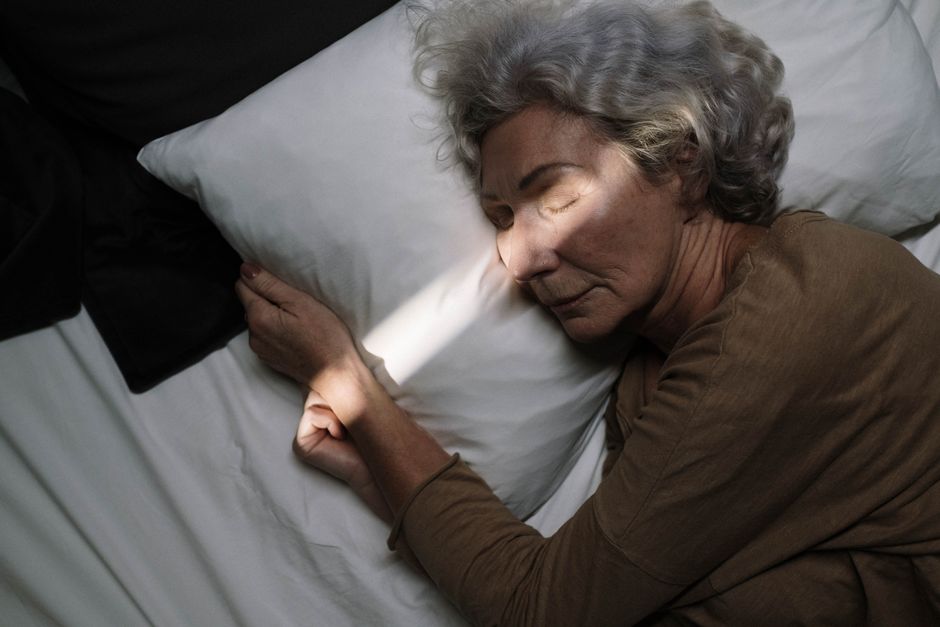
You lie down. You are tired. Your body aches for sleep. But when your head hits the pillow, your mind races. Your heart pounds. A wave of fear washes over you. You are scared to fall asleep. This is not just a bad night. It is a real condition with real causes. The fear of falling asleep usually comes from one of three places: a physical condition that disrupts sleep, an anxiety disorder that makes you fear losing control, or a traumatic experience linked to nighttime. Understanding which one is driving your fear is the first step to fixing it.
What Causes the Fear of Falling Asleep?
The fear of falling asleep has a medical name: somniphobia. It is an intense, irrational fear of going to sleep. Unlike general insomnia where you cannot sleep, somniphobia means you are actively afraid to try. The causes break down into a few clear categories.
Anxiety disorders are the most common driver. Generalized anxiety disorder, panic disorder, and PTSD can all trigger a fear of sleep. For people with panic disorder, the state between waking and sleeping can feel like losing control. Your body relaxes, your breathing slows, and your brain interprets those normal sleep signals as danger. The result is a jolt of adrenaline that keeps you awake.
Nightmare disorder is another cause. If you have frequent, intense nightmares, your brain learns to associate sleep with terror. You start avoiding sleep to avoid the nightmares. This is especially common in people who have experienced trauma. The nightmares may replay the event or just feel overwhelmingly threatening.
Sleep paralysis plays a big role too. During sleep paralysis, your mind wakes up but your body cannot move. You may see or hear things that are not there. The experience is terrifying. After one episode, many people become scared to fall asleep again because they fear it will happen again.
How Do I Know If I Have Somniphobia?
Somniphobia looks different from regular insomnia. With insomnia, you want to sleep but cannot. With somniphobia, you actively avoid going to bed. You find reasons to stay up. You feel dread when you think about bedtime.
Common signs include:
- Feeling intense anxiety or panic when thinking about going to sleep
- Making excuses to stay awake, like cleaning or watching TV
- Needing a partner or light on to fall asleep
- Experiencing physical symptoms like a racing heart or sweating at bedtime
- Feeling exhausted during the day but still resisting sleep at night
- Having nightmares about sleeping or dying in your sleep
These symptoms are not just occasional. They happen most nights and last for at least one month. If this sounds like you, it is worth talking to a doctor or a mental health professional. Somniphobia is treatable, but it rarely goes away on its own.
What Does Research on Sleep Anxiety Show?
Research published in the Journal of Clinical Sleep Medicine has found that about 15% of adults experience clinically significant sleep anxiety. That means the fear is strong enough to disrupt their daily lives. Women report it more often than men, though the reasons are not fully understood.
The same research shows a strong link between sleep anxiety and hyperarousal. Hyperarousal is a state where your nervous system stays on high alert even when you are safe. Your body releases stress hormones like cortisol and adrenaline at night. This makes it hard to fall asleep and even harder to stay asleep.
Studies from the American Academy of Sleep Medicine also show that people with sleep anxiety often have irregular sleep patterns. They stay up later, wake up at different times, and sleep less overall. This irregularity makes the anxiety worse. Your body craves a predictable rhythm, and when it does not get one, the stress response gets stronger.
One non-obvious finding: sleep anxiety often starts after a single bad night. A person has one episode of sleep paralysis or one nightmare that feels real. Their brain flags sleep as dangerous. From that point on, they are afraid. The fear itself then causes more bad nights, creating a loop that is hard to break.





Does Sleep Anxiety Have Physical Causes?
Yes. Not all fear of sleep comes from your thoughts. Some comes from your body. Sleep apnea is a common physical cause. With sleep apnea, your airway closes while you sleep. You stop breathing for seconds at a time. Your brain wakes you up just enough to breathe again. This can happen hundreds of times a night.
People with undiagnosed sleep apnea often wake up gasping or choking. They may not remember it clearly, but their brain remembers. The brain learns that sleep means suffocation. This creates a deep, physical fear of falling asleep. Treating the sleep apnea with a CPAP machine often resolves the fear completely.
Restless leg syndrome (RLS) is another physical cause. RLS causes uncomfortable sensations in the legs that make you want to move them. The urge gets worse when you lie down. You may dread bedtime because you know the discomfort is coming. Treating RLS with medication or iron supplements can reduce both the physical symptoms and the fear.
Heart conditions can also trigger sleep fear. People with arrhythmias or heart failure may feel their heart pounding when they lie down. They may worry that they will not wake up. This is a rational fear based on a real physical problem. Addressing the heart condition with a doctor is the right first step.
| Cause | Key Sign | What Helps |
|---|---|---|
| Sleep apnea | Waking up gasping, loud snoring | CPAP machine, sleep study |
| Restless leg syndrome | Urge to move legs at rest | Iron supplements, medication |
| Nightmare disorder | Frequent intense nightmares | Imagery rehearsal therapy |
| Panic disorder | Racing heart, fear of losing control | CBT, breathing techniques |
| Sleep paralysis | Waking up unable to move | Sleep hygiene, stress reduction |
What Actually Works to Stop the Fear?
Cognitive behavioral therapy for insomnia (CBT-I) is the most effective treatment for sleep anxiety. It is not a quick fix. It takes several weeks. But research consistently shows it works better than medication for long-term results. CBT-I helps you identify the thoughts and behaviors that keep the fear going and replace them with healthier ones.
One specific technique is stimulus control. You train your brain to associate the bed only with sleep. That means no TV, no phones, no worrying in bed. If you cannot sleep after 20 minutes, you get up and go to another room. You only return to bed when you feel sleepy. Over time, your brain stops seeing the bed as a place of fear.
Another technique is cognitive restructuring. You write down the thoughts that scare you about sleep. Then you challenge them with facts. For example, if you fear you will stop breathing in your sleep, you can remind yourself that your body has an automatic breathing reflex. It is not something you control consciously. This does not eliminate the fear overnight, but it weakens it over time.
Relaxation techniques help in the moment. Progressive muscle relaxation involves tensing and releasing each muscle group in your body. It forces your body into a relaxed state. Deep breathing with a 4-7-8 pattern (inhale for 4 seconds, hold for 7, exhale for 8) activates your parasympathetic nervous system and slows your heart rate. These techniques do not cure the underlying fear, but they make it easier to fall asleep despite it.
For nightmare disorder, imagery rehearsal therapy is effective. You write down the nightmare, then rewrite the ending to be less threatening. You practice the new version in your mind during the day. Studies show this reduces nightmare frequency by 50-70% in most people.
What Should You Avoid When You Fear Sleep?
Avoid alcohol as a sleep aid. Alcohol might help you fall asleep faster, but it disrupts deep sleep and increases the chance of waking up in the middle of the night. It also makes sleep apnea worse. Many people drink to calm their fear, only to wake up more anxious a few hours later.
Avoid sleeping pills without a doctor’s supervision. Over-the-counter sleep aids like diphenhydramine (Benadryl) can cause grogginess and dependence. Prescription sleep medications have their own risks, including memory problems and daytime drowsiness. They do not address the root cause of the fear.
Avoid looking at screens in bed. Blue light from phones and tablets suppresses melatonin, the hormone that tells your body it is time to sleep. But the bigger problem is the content. Scrolling through social media or reading the news keeps your brain active. You need your brain to wind down, not rev up.
Avoid trying to force sleep. The more you try to control sleep, the more it slips away. Sleep is not something you can command. It is something you allow to happen. Lying in bed telling yourself “I must fall asleep” creates pressure that makes sleep harder. Instead, tell yourself “I am just resting.” That shift alone can reduce the fear.
Avoid Googling your symptoms at night. This is a common trap. You wake up scared, grab your phone, and search for what is wrong with you. The search results often lead to worst-case scenarios. You end up more scared than before. If you have questions, write them down and look them up during the day.
Frequently Asked Questions
Is it normal to be scared to fall asleep?
It is not typical, but it is common enough that you should not feel ashamed. About 1 in 7 adults experiences sleep anxiety strong enough to affect their daily life.
Can sleep anxiety go away on its own?
It can if the trigger was a one-time event, like a bad nightmare. But if the fear has lasted more than a few weeks, it usually needs treatment to resolve.
Should I see a doctor for fear of sleeping?
Yes. A doctor can check for physical causes like sleep apnea and refer you to a therapist for cognitive behavioral therapy. Both are highly effective.
What is the fastest way to stop sleep anxiety tonight?
Get out of bed, go to a different room, and do something calm like reading a book for 20 minutes. Return to bed only when you feel sleepy. This breaks the cycle of lying there afraid.
