
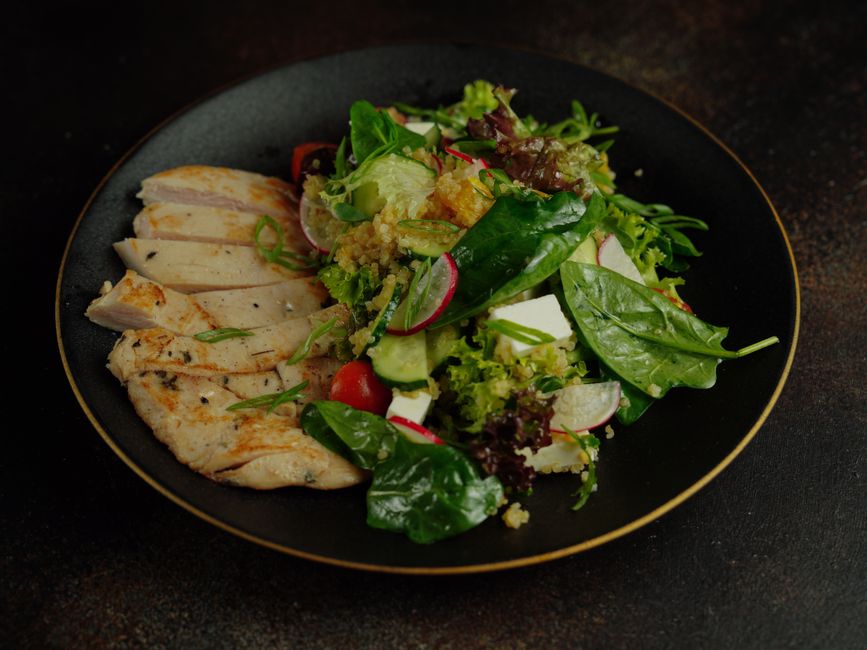
Chicken is one of the most popular protein sources in the American diet, and for good reason. A standard 3-ounce serving of cooked chicken breast provides about 26 grams of protein. That single serving delivers more than half of the daily protein needs for many adults. The exact amount varies by cut, cooking method, and whether you eat the skin, but chicken consistently ranks among the most protein-dense foods available.
How Much Protein Does Chicken Have Per Serving?
A 3-ounce serving of cooked chicken breast contains roughly 26 grams of protein. This is the standard serving size used in most nutrition research and dietary guidelines. To picture 3 ounces, think of a deck of cards or the palm of your hand.
Chicken thigh meat is slightly lower in protein. A 3-ounce serving of cooked thigh meat provides about 24 grams. Chicken wings and drumsticks contain less protein per serving because they have more bone and skin relative to meat.
These numbers apply to chicken cooked without heavy sauces or breading. Fried chicken or chicken cooked in creamy sauces will have the same protein but significantly more fat and calories.
Protein Content by Chicken Cut
Different cuts of chicken offer different amounts of protein. The table below shows approximate protein values for a 3-ounce cooked serving of common cuts.
| Chicken Cut | Protein (grams per 3 oz cooked) | Notes |
|---|---|---|
| Chicken breast, skinless | 26 | Highest protein, lowest fat |
| Chicken thigh, skinless | 24 | Slightly more fat than breast |
| Chicken drumstick, skinless | 22 | Includes bone weight in serving |
| Chicken wing, skinless | 20 | Least meat per serving |
| Ground chicken, 93% lean | 21 | Protein varies by fat content |
Skin adds fat but not protein. Removing the skin before eating lowers calories without changing protein content. Cooking method matters too. Grilled, baked, and roasted chicken retain the same protein as boiled or poached chicken. Frying adds carbohydrates from breading but does not change the protein in the meat itself.
How Much Protein Do You Actually Need?
The Recommended Dietary Allowance for protein is 0.8 grams per kilogram of body weight per day. For a 150-pound adult, that equals about 54 grams daily. For a 180-pound adult, it is about 65 grams.
A single 3-ounce chicken breast provides roughly half of that daily requirement. Most Americans already eat more protein than the minimum requirement. Active adults, older adults, and people trying to build muscle may need more.
Research suggests that older adults benefit from higher protein intake to preserve muscle mass. Some experts recommend 1.0 to 1.2 grams per kilogram for adults over 65. This is a clinical recommendation based on evidence about age-related muscle loss, not a marketing claim.
Spread protein across meals rather than eating it all at once. The body uses protein more efficiently when you consume 20 to 40 grams per meal. This matches what a standard chicken breast serving provides.



Chicken vs. Other Protein Sources
Chicken is not the only high-protein food, but it compares favorably to most alternatives. The numbers below reflect common cooked serving sizes.
| Food | Protein (grams per 3 oz cooked) |
|---|---|
| Chicken breast | 26 |
| Lean beef sirloin | 25 |
| Pork tenderloin | 24 |
| Salmon | 22 |
| Canned tuna | 22 |
| Turkey breast | 25 |
| Tofu | 8 |
| Eggs (2 large) | 12 |
Chicken breast is one of the leanest protein sources available. A skinless chicken breast contains about 3 grams of fat per serving. Compare that to a ribeye steak, which can contain 20 grams of fat or more in the same serving size.
Plant proteins like tofu and beans provide protein but require larger portions to match chicken. A cup of cooked lentils provides about 18 grams of protein. That is a much larger volume of food than a small chicken breast.
Does Cooking Method Change the Protein?
Heat does not destroy the protein in chicken. The protein content stays essentially the same whether you grill, bake, boil, or roast it. What changes is moisture content.
Chicken loses water as it cooks. A raw chicken breast weighing 4 ounces may weigh only 3 ounces after cooking. The protein becomes more concentrated per ounce, but the total protein in the piece of meat stays the same.
This is why nutrition labels can be confusing. A label on raw chicken may say a 4-ounce serving has 24 grams of protein. After cooking, that same piece weighs less but still contains 24 grams. The protein per ounce increases while the total protein stays constant.
Frying adds fat and sometimes carbohydrates from breading. A breaded fried chicken breast has the same protein as a baked breast but significantly more calories. If protein is your priority, any cooking method works.
Chicken and Complete Protein
Chicken is a complete protein. This means it contains all nine essential amino acids that your body cannot make on its own. These amino acids are the building blocks your body uses to maintain muscle, skin, hair, and enzymes.
Most animal proteins are complete proteins. Most plant proteins are incomplete, meaning they lack one or more essential amino acids. This does not make plant proteins inferior, but it means you need to eat a variety of plant proteins to get all essential amino acids.
Your body does not store amino acids the way it stores fat. It needs a regular supply from food. Eating chicken at one meal provides amino acids that your body uses over the following hours.
For most healthy people, eating chicken a few times per week easily meets amino acid needs. There is no evidence that eating more protein than your body needs provides additional muscle benefits. The extra protein is simply used for energy or stored as fat.
Is Dark Meat or White Meat Better for Protein?
White meat and dark meat have nearly identical protein content. The main difference is fat. Dark meat contains about twice as much fat as white meat, which gives it more flavor and moisture.
Chicken thighs have more iron and zinc than chicken breasts. These minerals are important for oxygen transport and immune function. The difference is modest and unlikely to matter if you eat a varied diet.
Neither cut is nutritionally superior. The choice comes down to your calorie needs and taste preferences. If you want maximum protein with minimum calories, choose breast meat. If you prefer the flavor of thighs, the slightly higher fat content is not a health concern for most people.
One point worth noting: chicken skin is mostly fat. Removing it saves about 50 calories per serving but does not change protein. If you are tracking protein specifically, skin removal is optional.
Practical Ways to Add Chicken to Your Diet
Getting enough protein from chicken does not require elaborate meal prep. A few simple approaches work well.
- Add sliced chicken breast to salads for a protein boost at lunch
- Keep cooked chicken in the fridge for quick wraps and sandwiches
- Use ground chicken in place of ground beef for tacos or pasta sauce
- Roast a whole chicken at the start of the week for multiple meals
- Add shredded chicken to soups, rice bowls, or scrambled eggs
Rotisserie chicken from the grocery store is a convenient option. A 3-ounce serving of rotisserie chicken breast provides about the same protein as home-cooked chicken. The skin adds fat, so removing it lowers calories without affecting protein.
Canned chicken is another shelf-stable option. It provides slightly less protein per serving than fresh chicken because it contains added water or broth. Check the label for sodium content, as canned chicken can be high in salt.
Frequently Asked Questions
How many grams of protein are in a full chicken breast?
A typical cooked chicken breast weighs about 6 ounces and provides roughly 52 grams of protein. This is double the standard 3-ounce serving size.
Is chicken the highest protein meat?
Chicken breast is among the highest, but lean beef and turkey are comparable at about 25 grams per 3-ounce serving. Pork tenderloin is close behind at 24 grams.
How much protein do I need per day?
The standard recommendation is 0.8 grams per kilogram of body weight daily. A 150-pound adult needs about 54 grams, which two chicken breasts can easily cover.
Does eating chicken skin reduce protein?
No. Chicken skin contains fat but no protein. Removing the skin lowers calories and fat without changing the protein content of the meat.
