
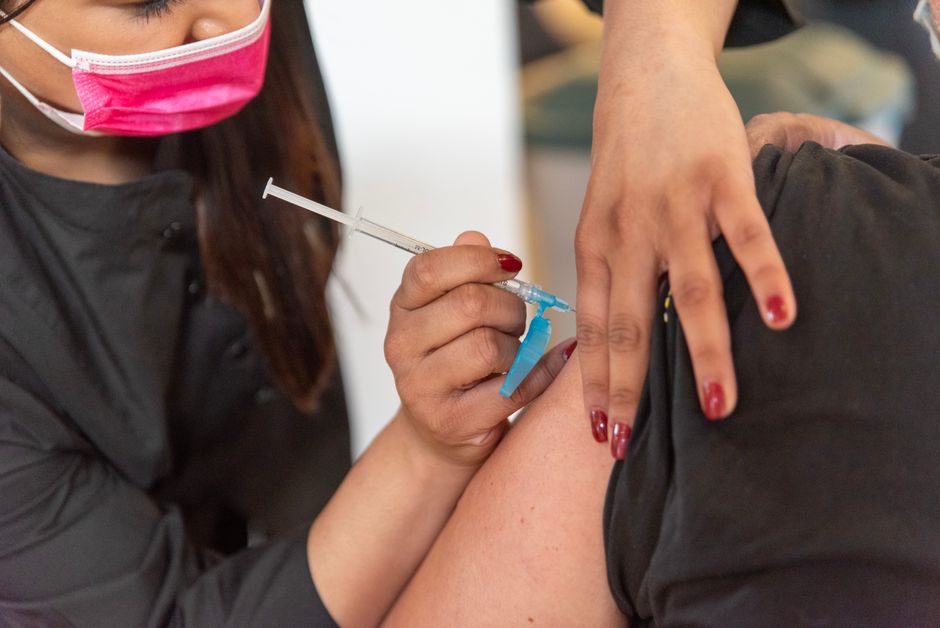
Yes. COVID-19 vaccines get updated, and new versions have reached the public. The goal is to match the vaccine to the virus strains that are currently spreading. This is similar to how the flu shot is updated most years.
The details change over time. Which shots are available, who they are recommended for, and how they are spaced out all depend on the latest guidance. Here is what is well established, what is still being studied, and what you should check before you get a shot.
Why Do COVID Vaccines Keep Getting Updated?
The virus that causes COVID-19 changes over time. When it copies itself, small errors creep into its genetic code. Some of those changes help it spread more easily or slip past the antibodies your body made from an earlier infection or shot.
That is why the vaccine you got two years ago may not match the virus circulating today as well as it once did. Manufacturers update the vaccine to target the strains that are most common at the time. This is the same approach used for the yearly flu vaccine.
The virus has not changed in one important way. The spike protein — the part the vaccines train your immune system to recognize — is still there. It has shifted shape somewhat, but the basic target remains. That is why updated shots still help even when the match is not perfect.
Is There A New Covid Vaccine What To Know About Current Options
As of my knowledge, updated COVID-19 vaccines have been authorized and recommended in the United States. The exact products, the strains they target, and the age groups they cover have changed more than once since the first vaccines arrived in late 2020.
Because this area moves quickly, the most reliable step is to check the current recommendations from the CDC or your state health department. What was true six months ago may not be true now.
What has stayed consistent:
- Vaccines are updated to target currently circulating strains.
- They are designed to reduce the risk of severe illness, hospitalization, and death.
- They are not a perfect shield against getting infected at all.
- Protection tends to fade over months, which is part of why boosters are offered.
One point that gets lost: the vaccines were never designed to block every infection. Their main job is to keep the illness from becoming severe. That distinction matters when you hear claims that “the vaccine doesn’t work” because someone still got sick.
Who Is Recommended To Get An Updated Shot?
Recommendations are built around risk. People at higher risk of severe COVID-19 are generally prioritized. That includes older adults, people with certain underlying conditions, and those who are immunocompromised.
Age is one of the strongest factors. The risk of severe outcomes rises sharply with age, which is why older adults have consistently been a focus of recommendations.
Underlying conditions that raise risk include:
- Chronic lung disease, including asthma and COPD
- Heart disease and high blood pressure
- Diabetes
- Obesity
- Conditions or treatments that weaken the immune system
- Chronic kidney or liver disease
For younger, healthy adults and children, the guidance has varied more over time. In some periods, an updated shot has been recommended for nearly everyone. In others, the focus has narrowed. This is one reason to check current guidance rather than rely on what you remember.





How Effective Are The Updated Vaccines?
Updated COVID-19 vaccines reduce the risk of severe illness, hospitalization, and death. That finding has held up across many studies and across different versions of the vaccine.
The protection against mild infection is real but weaker and shorter-lasting. It also depends heavily on how well the vaccine strains match the strains actually circulating. When the match is good, protection is better. When the virus drifts, protection drops.
Estimates of how well the vaccines work vary from study to study and season to season. I am not going to quote a specific percentage, because those numbers shift with each new variant and each new study. What is consistent is the direction: vaccinated people, especially those who are up to date, tend to have lower rates of severe outcomes than people who are not.
It is also worth being honest about what the evidence does not show. The vaccines do not stop all transmission. They do not provide lifelong protection. And they do not eliminate the need for other precautions in high-risk situations.
What About Side Effects And Safety?
The most common side effects are short-lived and mild. They include soreness at the injection site, fatigue, headache, muscle aches, and sometimes fever. These usually clear within a day or two.
Serious side effects are rare. Two that have been studied closely are myocarditis and pericarditis — inflammation of the heart muscle or the sac around it. These have been reported most often in young males after mRNA vaccination, and they are uncommon. Most cases have been mild and resolved with treatment and rest.
Anaphylaxis, a severe allergic reaction, is very rare and typically happens within minutes of the shot. That is why people are usually asked to wait a short time after vaccination.
If you have had a serious allergic reaction to a vaccine ingredient, or if you have certain heart conditions, talk to your doctor before getting a shot. This is not a reason to avoid all vaccines automatically — it is a reason to get individual advice.
Can You Get An Updated Shot With Other Vaccines?
Yes. COVID-19 vaccines can generally be given at the same time as other vaccines, including the flu shot. This has been studied and is considered acceptable in most cases.
Getting more than one shot at once may mean more sore arms or a bit more fatigue. That is a comfort issue, not a safety one for most people.
If you are unsure, your pharmacist or doctor can tell you whether spacing them out makes sense for your situation. Some people prefer to separate them simply to know which one caused a reaction, if any.
Where And When To Get Vaccinated
Updated COVID-19 vaccines are available at pharmacies, clinics, and some doctor’s offices. Availability can vary by location and by season.
Timing is worth thinking about. The virus tends to circulate more in colder months, so getting a shot before that period can make sense. But recommendations on timing are not identical for everyone, and they change.
If you are immunocompromised, your schedule may differ. Additional doses or different spacing have sometimes been recommended for this group. This is a case where you should follow guidance from your own doctor rather than a general rule.
Cost and coverage have also shifted over time. In the US, whether a shot is free to you can depend on your insurance and the current program in place. Checking ahead avoids surprises at the counter.
What Should You Do If You Are Not Sure?
Ask a specific question. Instead of “should I get the shot,” try “given my age and my health conditions, what is my risk of severe COVID-19, and does an updated vaccine lower it?” That framing gets you a useful answer.
Be wary of anyone who says the decision is obvious for everyone. It is not. Risk varies a lot from person to person, and so does the balance of benefits and downsides.
Also be wary of claims that the vaccines are useless because they do not prevent every infection. That is a misunderstanding of what they are designed to do. And be equally wary of claims that they are perfectly safe and effective for every person in every situation. Neither extreme matches the evidence.
The reasonable middle is this: for most people, the benefits of staying up to date outweigh the risks, especially for older adults and those with health conditions. The exact recommendation for you depends on details only you and your doctor know.
Frequently Asked Questions
Is there a new COVID vaccine available now?
Updated COVID-19 vaccines have been authorized and recommended in the US, with the specific products and strains changing over time. Check current guidance from the CDC or your state health department for what is available right now.
Do I need an updated COVID shot if I already had COVID?
Prior infection gives some protection, but it fades and may not cover newer strains well. Many people are still advised to get an updated shot, though the exact recommendation depends on your age and health.
Can the updated vaccine make you test positive on a COVID test?
No. The vaccines do not contain live virus and cannot cause a positive COVID-19 test result. A positive test means you have an actual infection.
How long does protection from an updated shot last?
Protection against severe illness appears to last longer than protection against mild infection, which tends to fade over several months. This is why periodic updates and boosters are offered.
