
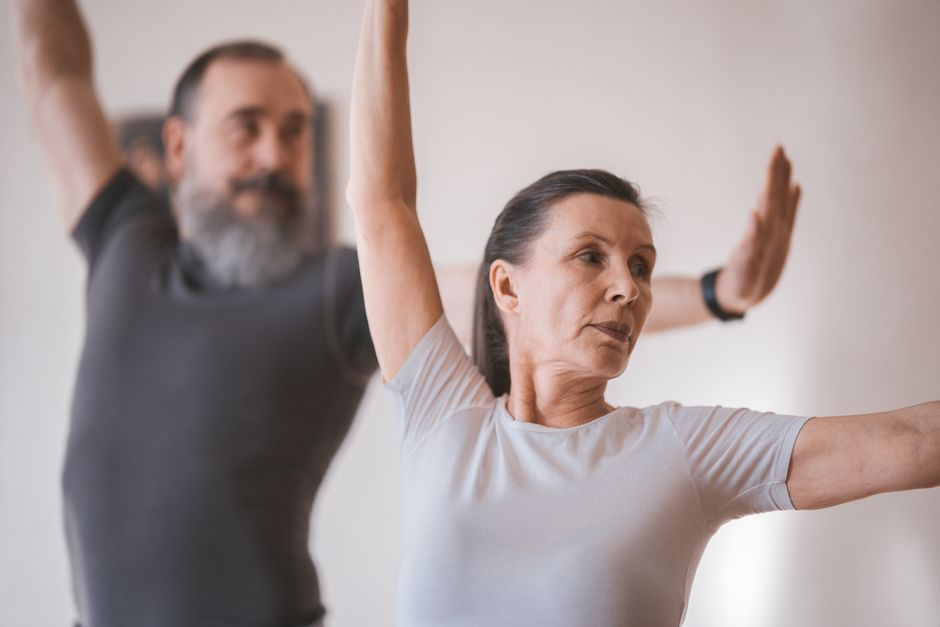
Balance problems after COVID-19 are real, and they can be unsettling. The most common cause is inflammation or dysfunction in the inner ear, specifically the vestibular system, which acts as your body’s internal gyroscope. In other cases, the issue stems from the virus’s effect on the nervous system, including the brain pathways that process spatial awareness. For many people, this presents as dizziness, a feeling of unsteadiness, or a sensation of the room spinning, known as vertigo.
How Does COVID-19 Affect the Inner Ear?
The inner ear is a delicate structure responsible for both hearing and balance. It contains fluid-filled canals that detect head movement and position. Research has found that the SARS-CoV-2 virus can enter the inner ear, potentially causing direct damage.
This invasion can trigger inflammation in the vestibular nerve, which carries balance signals from the inner ear to the brain. When this nerve becomes inflamed, a condition called vestibular neuritis, it sends confused signals to the brain. Your brain suddenly receives incorrect information about where your head is in space, leading to dizziness and a loss of balance.
Some studies also suggest the virus can cause fluid to leak into the inner ear, disrupting the delicate pressure balance needed for normal function. This is similar to what happens with other viral infections, but the exact mechanism in COVID-19 is still being studied carefully.
What Causes Balance Issues After Covid: The Role of the Nervous System
The inner ear is not the only player. COVID-19 can also affect the central nervous system, including the brainstem and cerebellum. These areas process balance information and coordinate movement.
Inflammation in these brain regions can slow down how quickly your brain processes signals from your eyes, inner ears, and joints. This is called a sensory mismatch. Your eyes might tell you that you are moving, but your inner ear says you are still. That conflicting information makes you feel unsteady, especially in busy or visually complex environments like a grocery store.
This type of balance issue is often described as a feeling of being “off” or “wobbly” rather than a true spinning sensation. It can be worse when walking on uneven surfaces or when turning your head quickly. The brain is struggling to integrate all the sensory information it needs to keep you upright and stable.
Can Post-COVID Fatigue and Weakness Cause Unsteadiness?
Yes, but this is a different mechanism than inner ear damage. Severe illness from COVID-19 can lead to significant muscle weakness, particularly in the legs and core. This is known as deconditioning. When the muscles that support your posture are weak, your balance naturally suffers.
Additionally, post-exertional malaise, a hallmark of long COVID, can cause extreme fatigue after physical or mental activity. When you are exhausted, your reaction times slow and your body’s ability to correct small balance errors diminishes. This makes you feel clumsy and unstable.
There is also a condition called orthostatic intolerance, which is common after COVID. In this state, your blood pressure does not regulate properly when you stand up. You may feel lightheaded, dizzy, or faint within a few minutes of standing. This is not a balance problem in the inner ear, but it feels exactly like one to the person experiencing it.





How Long Do Balance Issues Last?
There is no single timeline that applies to everyone. For some people, balance issues resolve within a few weeks as the initial infection clears. For others, symptoms persist for months.
Research on long COVID indicates that dizziness and vertigo are among the more common lingering symptoms. Some studies suggest that a significant portion of people who had COVID-19 report balance problems three months after their initial infection. The exact duration depends on the underlying cause, the severity of the initial illness, and individual health factors.
Most people improve gradually over time. The brain is remarkably adaptable. It can learn to compensate for a damaged inner ear or altered sensory processing. This process, called vestibular compensation, can take weeks or months, but it is the reason many people eventually recover even without specific treatment.
What Should You Do If You Are Experiencing Balance Issues?
If you are experiencing new or persistent balance problems after COVID-19, you should see a doctor. This is not something to ignore. Balance issues can increase your risk of falls, which can cause serious injuries.
Your doctor will want to rule out other causes. Inner ear infections, benign paroxysmal positional vertigo (BPPV), migraines, and even certain medications can cause similar symptoms. A thorough examination is necessary to determine the actual cause.
Treatment depends on the diagnosis. If the cause is vestibular neuritis, your doctor may recommend vestibular rehabilitation therapy. This is a specialized form of physical therapy that exercises your balance system to help your brain compensate. It is one of the most effective treatments for persistent balance problems.
If the issue is orthostatic intolerance, treatment may involve increasing fluid and salt intake, wearing compression stockings, and doing specific exercises to improve blood flow. If muscle weakness is the main problem, a gradual, structured exercise program to rebuild strength is essential.
When to Seek Immediate Medical Care
Most balance issues after COVID are not emergencies, but some are. You should seek urgent medical care if your dizziness comes with any of the following symptoms:
- Chest pain or pressure
- Difficulty breathing
- Sudden severe headache
- Numbness or weakness on one side of the body
- Difficulty speaking or understanding speech
- Vision loss or double vision
- Fainting or loss of consciousness
These symptoms can indicate a stroke, a heart problem, or another serious condition that requires immediate attention. Do not assume that every symptom you have is related to your past COVID infection.
Is There a Connection Between COVID and BPPV?
Benign paroxysmal positional vertigo is a common condition where small calcium crystals in the inner ear become dislodged and move into the wrong canal. This causes brief, intense spinning episodes when you change head position, such as rolling over in bed or looking up.
Some research suggests that viral infections, including COVID-19, can trigger BPPV. The inflammation from the virus may loosen these crystals. This is a mechanical problem, not a neurological one. The good news is that BPPV is highly treatable. A doctor or physical therapist can perform a series of head movements, called the Epley maneuver, to move the crystals back into place. This often resolves the vertigo immediately.
If your dizziness only happens with specific head movements and lasts less than a minute, BPPV is a strong possibility. Tell your doctor about the exact circumstances that trigger your symptoms.
Frequently Asked Questions
Can COVID-19 permanently damage your balance?
Most balance issues after COVID-19 resolve over time, but some people experience long-term symptoms. The brain usually compensates for inner ear damage within several months, though permanent damage to the vestibular system is possible in severe cases.
Does the COVID vaccine cause balance problems?
Some people have reported dizziness after vaccination, but this is generally short-lived and not a common side effect. The risks of balance issues from COVID-19 infection are higher than the risks from the vaccine.
What kind of doctor treats balance issues after COVID?
An ear, nose, and throat specialist (ENT) or a neurologist can evaluate balance disorders. A physical therapist who specializes in vestibular rehabilitation is often the key provider for treating them.
Is it safe to exercise with post-COVID balance problems?
Exercise can help, but it must be done carefully. Sudden or intense exercise can worsen symptoms if you have post-exertional malaise. Start with gentle, supervised movements and work with a physical therapist to build a safe program.
