
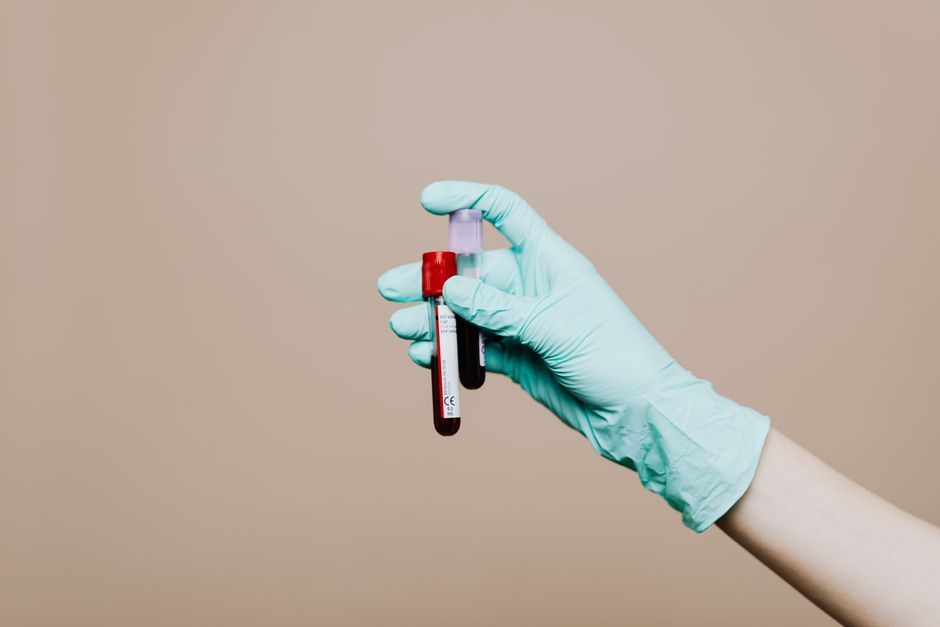
Guillain-Barré syndrome (GBS) is a rare but serious condition where the body’s immune system attacks its own peripheral nerves. It can cause weakness, tingling, and in severe cases, paralysis. If you or a loved one is facing this diagnosis, the first question is often about testing. The direct answer is that there is no single blood test that can diagnose Guillain-Barré syndrome. Instead, doctors rely on a combination of a physical exam, a detailed medical history, and specific tests like a lumbar puncture and nerve conduction studies to make the diagnosis.
What Blood Tests Are Done for Guillain-Barré Syndrome?
While no blood test confirms GBS on its own, blood work is still a standard and necessary part of the diagnostic process. The main purpose of blood tests here is not to find the disease, but to rule out other conditions that can mimic it. Many disorders cause similar symptoms, including infections, electrolyte imbalances, and other autoimmune diseases.
A doctor will typically order a complete blood count, a metabolic panel, and tests for specific antibodies. For example, checking for thyroid function and vitamin levels helps exclude other causes of neuropathy. These tests help narrow the field. If all these other tests come back normal, it increases the suspicion for GBS but does not prove it.
What Test Helps Confirm the Diagnosis?
Once other conditions are ruled out, doctors use two primary tools to confirm GBS. The first is a lumbar puncture, also known as a spinal tap. In this procedure, a needle is inserted into the lower back to collect a sample of cerebrospinal fluid, the fluid that surrounds the brain and spinal cord.
In most people with GBS, this fluid shows a high protein level but a normal white blood cell count. This finding is called cytoalbuminologic dissociation. It is a key piece of evidence, but it is not present in every case, especially in the first week of symptoms. The second tool is a nerve conduction study and electromyography. These tests measure how well electrical signals travel through the nerves and how the muscles respond. They often show a pattern of damage to the myelin sheath, the protective covering of the nerves, which is characteristic of GBS.
Why Is There No Single Definitive Blood Test?
The reason no single blood test exists is tied to how the disease works. GBS is not one single illness but a group of acute neuropathies with several subtypes. The immune system attacks different parts of the nerve in different subtypes. Because the target of the attack varies, there is no one biomarker that appears in all patients.
In some specific forms of GBS, certain antibodies can be found in the blood. For example, the Miller Fisher syndrome variant is associated with anti-GQ1b antibodies. However, these antibodies are only present in a minority of GBS cases. Testing for them can be helpful when a specific variant is suspected, but a negative result does not rule out GBS. A positive result in the right clinical context supports the diagnosis but is not required for it.


How Long Until a Diagnosis Is Made?
Diagnosing GBS takes time. The classic symptoms, like progressive weakness in both legs and reduced reflexes, develop over days to a few weeks. The condition is often suspected when a person reports a recent infection, such as a respiratory illness or diarrhea, followed by these neurological symptoms.
Because the early symptoms can be vague, the diagnosis is often delayed. The lumbar puncture is most helpful after the first week of symptoms when the protein level tends to rise. Nerve conduction studies may also be normal in the very early stages. Doctors often rely on clinical judgment and close monitoring. If symptoms are progressing quickly, treatment is often started before all test results are final, because early treatment improves outcomes.
What Are the Early Signs to Watch For?
Recognizing the early signs of GBS is critical for prompt medical care. The most common first symptom is weakness and tingling in the feet and legs. This sensation can spread to the arms and upper body. The weakness can worsen quickly, sometimes over the course of a single day.
Other symptoms include unsteady walking, difficulty with facial movements, double vision, and severe back or leg pain. In severe cases, the muscles that control breathing can weaken, which is a medical emergency. Anyone experiencing rapid weakness or difficulty breathing should seek emergency care immediately. GBS is a medical emergency that requires hospitalization for monitoring and treatment.
Is There A Blood Test For Guillain Barre Syndrome During Early Stages?
In the earliest stages, the diagnostic tests are even less reliable. The spinal fluid protein may still be normal in the first few days. Nerve conduction studies might not show the typical slowing of signals yet. This is a challenging time for doctors because the symptoms are present, but the tests are not yet conclusive.
During this window, doctors focus on the clinical picture. They look for a characteristic pattern of ascending weakness that starts in the legs and moves upward. They check deep tendon reflexes, which are often diminished or absent in GBS. They also monitor how quickly the symptoms are progressing. The diagnosis is based on this combination of findings, not on a single laboratory value.
What Conditions Mimic Guillain-Barré Syndrome?
Several conditions can look very similar to GBS. This is why the diagnostic process is so thorough. Some of these conditions include chronic inflammatory demyelinating polyneuropathy, which is a longer-term cousin of GBS. Certain infections like Lyme disease or HIV can also cause similar nerve damage. Heavy metal poisoning and certain medication side effects can produce neuropathy as well.
Blood tests play a major role in separating these conditions. For example, checking for Lyme antibodies or specific vitamin deficiencies can quickly rule out common mimics. If a person has a history of exposure to certain toxins, that information combined with blood work can point in a different direction. The goal is to ensure the diagnosis is correct, because the treatments for these conditions are very different.
How Is Guillain-Barré Syndrome Treated?
Once the diagnosis is made, treatment begins immediately. The two main treatments for GBS are intravenous immunoglobulin and plasmapheresis. Intravenous immunoglobulin involves infusing a high dose of antibodies from healthy donors into the patient. This is thought to block the harmful antibodies attacking the nerves. Plasmapheresis, also called plasma exchange, filters the blood to remove the harmful antibodies.
Both treatments are equally effective and are most effective when started within two weeks of the first symptoms. They do not cure GBS, but they speed up recovery and reduce the severity of the disease. Most people with GBS will need physical therapy and rehabilitation after the acute phase. Recovery can take months or even years, and some people have lasting weakness.
What Is the Long-Term Outlook?
The prognosis for GBS varies widely. Most people, about 80%, are able to walk again within six months. However, recovery is often slow and can be incomplete. Some people experience fatigue, pain, or weakness for years after the initial illness. A small percentage of people have permanent nerve damage or require ongoing support.
In the most severe cases, GBS can be life-threatening, particularly if breathing muscles are affected. With modern intensive care, the mortality rate is low, but it is not zero. The key factor in a good outcome is early recognition and treatment. Delays in treatment can lead to more extensive nerve damage and a longer recovery period.
Frequently Asked Questions
Can a routine blood test detect Guillain-Barré?
No, a routine blood test cannot detect Guillain-Barré syndrome. Blood tests are used to rule out other conditions, not to confirm GBS.
What is the most accurate test for GBS?
The most accurate diagnosis comes from a combination of a lumbar puncture and nerve conduction studies. Neither test alone is 100% definitive.
Do GBS antibodies show up in blood work?
Specific antibodies like anti-GQ1b are only present in certain variants of GBS. Most people with GBS do not have a detectable antibody in their blood.
How quickly do GBS test results come back?
Blood tests and nerve conduction studies can be done within a day, but the full picture may take several days. The spinal fluid protein test is most reliable after the first week of symptoms.
