
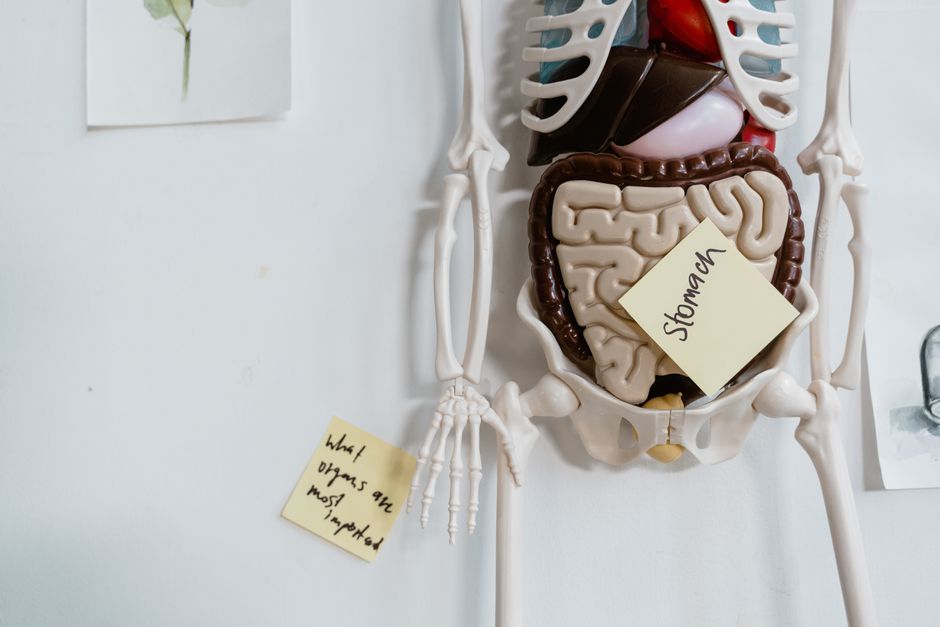
No, the stomach is not inferior to the diaphragm. The stomach sits below the diaphragm, making it inferior in anatomical terms. This is a basic fact of human anatomy that is well established and not debated among medical professionals.
What Does “Inferior” Mean in Anatomy?
In anatomy, the word “inferior” has a specific meaning. It means something is located below another structure. It does not mean worse or less important. The opposite of inferior is “superior,” which means above.
Think of it like a stack of books. The top book is superior to the book below it. The bottom book is inferior to the one above. In the human body, the diaphragm is a large muscle that sits above the stomach. So the stomach is inferior to the diaphragm.
This language is standard across all medical textbooks. The National Institutes of Health (NIH) uses these terms consistently in anatomical descriptions. There is no confusion about this in medical education.
Where Is the Diaphragm Located?
The diaphragm is a dome-shaped muscle that separates your chest cavity from your abdominal cavity. It sits right below your lungs and heart. When you breathe in, the diaphragm contracts and moves downward. This creates space for your lungs to expand.
The diaphragm attaches to the bottom of your ribcage and the spine. It is a thin but strong sheet of muscle. The esophagus, aorta, and other important structures pass through openings in the diaphragm. This is why conditions like hiatal hernias happen — part of the stomach can push up through the diaphragm.
Your diaphragm is essential for breathing. Without it, you could not inhale or exhale. It is one of the most important muscles in your body.
Where Is the Stomach Located?
The stomach is a J-shaped organ in your upper abdomen. It sits mostly on the left side of your body, just under your ribcage. The top of the stomach connects to the esophagus through an opening in the diaphragm called the esophageal hiatus.
The stomach is directly below the diaphragm. In fact, the diaphragm sits right on top of the stomach. When the diaphragm moves downward during breathing, it presses against the stomach slightly. This is normal and does not cause problems for most people.
Research published in Clinical Anatomy confirms that the stomach is consistently located inferior to the diaphragm in healthy adults. There is no variation in this basic relationship.





Can the Stomach Move Above the Diaphragm?
Yes, but only in specific medical conditions. The most common one is a hiatal hernia. In this condition, part of the stomach pushes up through the esophageal hiatus into the chest cavity. This means part of the stomach is now superior to the diaphragm, not inferior.
Hiatal hernias are very common. The American College of Gastroenterology reports that about 20% of adults have some form of hiatal hernia by age 50. Most people do not even know they have one. They are often found during tests for other issues.
Symptoms can include heartburn, acid reflux, chest pain, and trouble swallowing. But many people have no symptoms at all. Treatment depends on severity. Mild cases are managed with diet changes and medications. Severe cases may need surgery.
It is important to understand that a hiatal hernia is an abnormal condition. In a healthy person without a hernia, the stomach is always inferior to the diaphragm.
Why Does This Question Get Asked?
This question often comes up in anatomy classes and medical exams. Students sometimes confuse the terms “superior” and “inferior.” They may also mix up the stomach and diaphragm with other organs. It is a common point of confusion for beginners.
Another reason is that people hear about hiatal hernias and assume the stomach can normally be above the diaphragm. That is not correct. A hiatal hernia is a structural problem, not a normal variation.
Some online sources also create confusion by using casual language. They might say “the stomach is under the diaphragm” instead of using proper anatomical terms. While “under” is technically correct, it does not teach the precise language used in medicine. This can lead to misunderstanding.
If you are studying anatomy, remember this simple rule: the diaphragm is a roof over the stomach. The stomach lives in the apartment below. That is the normal, healthy arrangement.
What Are Common Misconceptions About Stomach and Diaphragm Position?
One common myth is that the stomach moves around freely in the abdomen. It does not. The stomach is held in place by ligaments and connective tissue. It can shift slightly with digestion or fullness, but its basic position stays the same.
Another myth is that breathing exercises can move the stomach above the diaphragm. This is not true. No amount of deep breathing or diaphragm training changes the anatomical relationship between these two structures. Breathing exercises strengthen the diaphragm muscle, but they do not relocate the stomach.
Some people also believe that acid reflux means the stomach is in the wrong position. Acid reflux is usually caused by a weak lower esophageal sphincter, not by stomach displacement. While hiatal hernias can worsen reflux, most reflux happens without any change in stomach position.
| Condition | Stomach Position Relative to Diaphragm | Is This Normal? |
|---|---|---|
| Healthy adult | Inferior (below) | Yes |
| Hiatal hernia | Partially superior (above) | No — medical condition |
| After certain surgeries | Can be altered | Depends on procedure |
| Severe bloating | Still inferior, but shifted | Yes, temporary |
How Does This Affect Everyday Health?
Understanding the position of your stomach relative to your diaphragm matters for a few reasons. First, it helps you understand symptoms. If you feel pain or pressure in your upper abdomen, knowing where the stomach normally sits can help you describe it to your doctor accurately.
Second, it helps you understand breathing. Since the diaphragm presses on the stomach during deep breaths, people with very full stomachs may feel discomfort when breathing deeply. This is normal. It is also why eating a large meal before exercise can feel uncomfortable.
Third, it helps you understand medical tests. When a doctor orders an upper GI series or endoscopy, they are looking at the stomach in its normal position below the diaphragm. If the test shows the stomach above the diaphragm, that is a clear sign of a hiatal hernia or other problem.
The American Gastroenterological Association states that knowing basic anatomy helps patients communicate better with their healthcare providers. You do not need to be a doctor to understand where your stomach lives.
Is the Stomach Inferior to the Diaphragm Answered — Final Takeaway
The answer is clear and simple. The stomach is inferior to the diaphragm in all healthy humans. This is a basic anatomical fact that has been known for centuries. It is taught in every medical school and confirmed by imaging studies.
If you have a hiatal hernia, part of your stomach may be above the diaphragm. That is an exception, not the rule. Most people have a stomach that sits comfortably below the diaphragm where it belongs.
Understanding this one fact can help you make sense of many health topics. It helps with understanding acid reflux, breathing mechanics, and even surgical procedures. It is one of those small pieces of knowledge that makes a big difference in how you understand your own body.
Frequently Asked Questions
Is the stomach always below the diaphragm?
Yes, in healthy individuals the stomach is always located below the diaphragm. The only exception is a hiatal hernia where part of the stomach pushes upward.
Can the stomach move above the diaphragm naturally?
No, the stomach cannot move above the diaphragm naturally. This only happens with a medical condition called a hiatal hernia.
What happens when the stomach is above the diaphragm?
When part of the stomach sits above the diaphragm, it is called a hiatal hernia. This can cause acid reflux, heartburn, and chest pain in some people.
Does breathing affect stomach position?
Breathing does not change the position of the stomach relative to the diaphragm. The diaphragm moves during breathing, but the stomach stays in its normal place below it.
