
Rotavirus is the most common cause of severe diarrheal illness in infants and young children worldwide, and before the vaccine existed, it sent hundreds of thousands of American children to the hospital every year. The rotavirus vaccine is worth it for most babies because it sharply reduces the risk of severe dehydration and hospitalization from a virus that spreads easily and can hit infants hard.
What Is Rotavirus and Why Does It Matter for Babies?
Rotavirus is a highly contagious virus that infects the lining of the small intestine. It causes vomiting, watery diarrhea, and fever, sometimes all at once. In babies and toddlers, the biggest danger is not the virus itself but the fluid loss that comes with it.
The virus spreads through the fecal-oral route. That means microscopic amounts of contaminated stool get into the mouth. This happens more easily than parents expect. Diaper changes, shared toys, and unwashed hands all create opportunities. The virus is stable on surfaces and can survive on hands for hours.
Before the vaccine was introduced in the United States in 2006, rotavirus was responsible for a large share of severe childhood gastroenteritis. It was a predictable seasonal illness that filled pediatric wards each winter and spring. Most children were infected by age five. For many, it meant a few rough days at home. For some, it meant an emergency room visit and IV fluids.
The reason babies are vulnerable comes down to size. An infant has a much smaller fluid reserve than an adult. A baby who cannot keep fluids down can become dehydrated in a matter of hours. That is why rotavirus, which is rarely life-threatening in healthy adults, can become serious very quickly in the very young.
How Does the Rotavirus Vaccine Work?
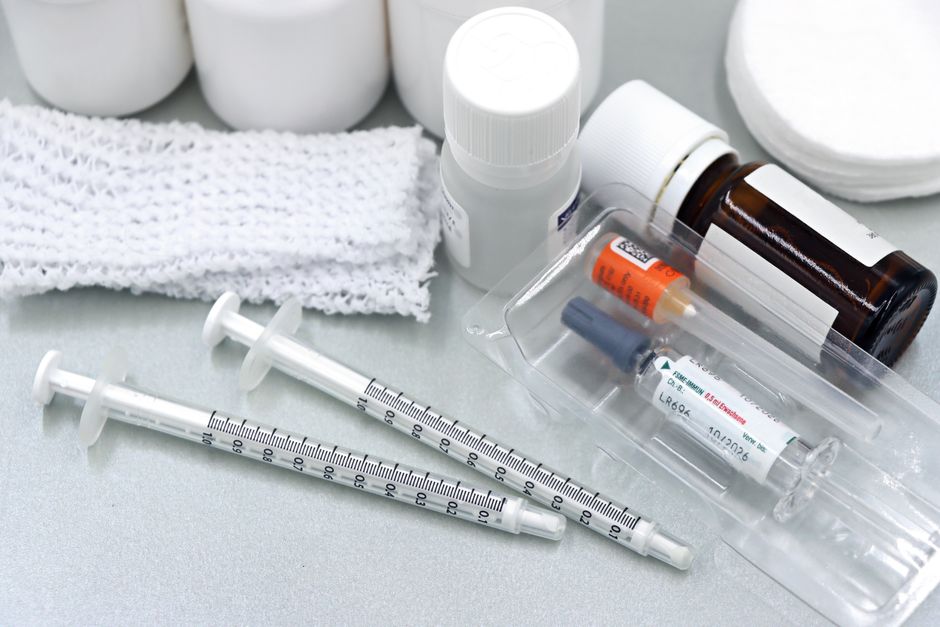
The rotavirus vaccine is given by mouth, not by injection. It contains a weakened live form of the virus that cannot cause serious illness but trains the infant’s immune system to recognize and fight the real thing.
There are two rotavirus vaccines used in the United States. Both are oral drops. Both are designed to protect against the strains that cause the most severe disease. The vaccine works by mimicking a natural infection in a controlled way. The baby’s gut lining and immune system learn to respond before they ever meet the wild virus.
Protection is strongest against severe disease. This is an important distinction. The vaccine does not always prevent a child from getting rotavirus at all. What it does well is keep the illness from becoming the kind that lands a baby in the hospital on an IV drip.
That difference matters. A mild bout of diarrhea that clears up at home is a very different event from a baby who is lethargic, has sunken eyes, and needs emergency rehydration. The vaccine’s main job is to move a child from the second category into the first.
When Do Babies Get the Rotavirus Vaccine?
The rotavirus vaccine is given in a series of doses during the first months of life. The exact schedule depends on which vaccine is used. In general, the first dose is given before a baby is 15 weeks old, and the full series is completed by around 8 months of age.
The timing is not arbitrary. There is an age limit on the first dose because of a rare but real side effect discussed below. Giving the first dose early, within the window recommended by pediatric guidelines, keeps that risk as low as possible.
This is one vaccine where sticking to the schedule genuinely matters. If a baby is past the upper age limit for the first dose, some clinicians will not start the series at all. Parents who are unsure about timing should raise the question with their pediatrician rather than wait.





How Effective Is the Rotavirus Vaccine?
The rotavirus vaccine works well against severe disease, and this is where the evidence is strongest. Across multiple large studies, vaccination has consistently reduced hospitalizations and emergency visits for rotavirus gastroenteritis in young children.
The protection is not perfect, and it is not the same everywhere. In countries with high child mortality from diarrheal disease, the vaccine has saved a large number of lives but tends to show somewhat lower effectiveness than in wealthier countries. Researchers believe factors like nutrition, gut health, and the presence of many circulating strains play a role.
What the data consistently show is that vaccinated children who do get rotavirus tend to have milder illness. Fewer hospital stays. Fewer IV fluids. Fewer severe cases. That is the outcome that matters most for a virus that is usually manageable but occasionally dangerous.
Protection does appear to fade over time. By the time a child is in school, the vaccine’s direct protection is lower than it was in infancy. This is not a failure. The goal is to protect babies during the window when they are most vulnerable to severe dehydration, and the vaccine does that.
What Are the Risks and Side Effects?
Most side effects are mild and short-lived. Some babies are fussy or have a slightly decreased appetite in the days after the drops. Some have mild diarrhea or vomiting. These usually pass quickly.
The serious concern that shaped the modern vaccine is a rare bowel condition called intussusception. This is where part of the intestine telescopes into itself, which can block the bowel and requires medical treatment. An earlier rotavirus vaccine was withdrawn from the market in 1999 because it raised this risk too much.
The current vaccines were tested in large numbers of infants before approval. They are associated with a small increase in intussusception risk, mostly in the week after the first dose. The risk is rare. Public health agencies have weighed this against the hospitalizations and deaths prevented by the vaccine and continue to recommend it.
Parents should know the signs of intussusception so they can act quickly. These include intense, episodic crying from abdominal pain, drawing the legs up toward the chest, vomiting, and blood in the stool. These symptoms warrant immediate medical attention. This is not a reason to fear the vaccine, but it is a reason to know what to watch for.
Babies with certain immune conditions or a history of intussusception should not receive the rotavirus vaccine. A pediatrician can review a baby’s individual situation.
Is the Rotavirus Vaccine Worth It for Your Baby?
Is The Rotavirus Vaccine Worth It For Your Baby? For most babies, the answer is yes. The vaccine targets the leading cause of severe diarrheal illness in infants, and it does so with an oral series that is easy to give and well studied.
The decision rests on weighing two things. On one side is a common, contagious virus that can dehydrate a small baby fast and lead to hospitalization. On the other is a vaccine with a strong track record against severe disease and a rare but real side effect that parents should understand.
The evidence supports vaccination for the great majority of infants. It does not mean every baby is the same. Babies with certain medical conditions should not get it, and timing matters. These are conversations to have with a pediatrician who knows the child.
What is not in dispute is the burden of the disease itself. Rotavirus is not a mild stomach bug for every child. It is a virus that, before widespread vaccination, filled hospital beds every year. The vaccine has changed that picture, and for most families, that change is worth having.
Frequently Asked Questions
Is the rotavirus vaccine required for babies?
It is recommended by pediatric and public health guidelines for most infants but is not legally required for school entry in the United States. Whether to give it is a decision made with a pediatrician.
How many doses of the rotavirus vaccine does a baby need?
It depends on which vaccine is used, but the series is typically two or three oral doses completed in the first months of life. The full series is generally finished by around 8 months of age.
Can a baby still get rotavirus after being vaccinated?
Yes, vaccinated babies can still get rotavirus, but the illness tends to be much milder. The vaccine’s main strength is preventing severe dehydration and hospitalization, not blocking every infection.
What are the serious side effects of the rotavirus vaccine?
The main serious concern is a rare bowel blockage called intussusception, with a small increase in risk mostly in the week after the first dose. Parents should seek immediate care for intense crying, vomiting, or blood in the stool.
