
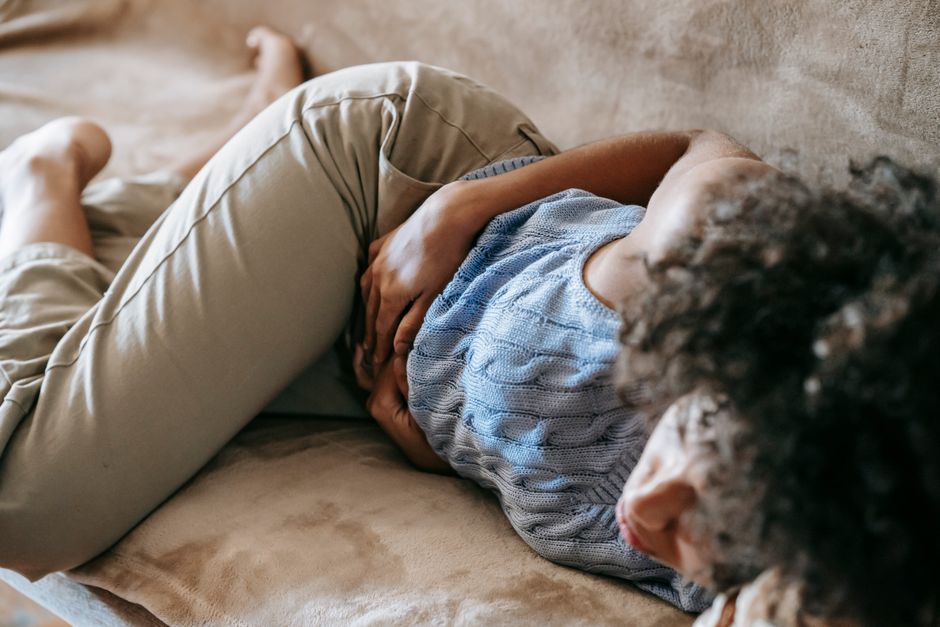
Diverticulitis is an infection or inflammation of small pouches that can form in the lining of your colon. These pouches are called diverticula, and the condition of having them is diverticulosis. When one or more of these pouches become inflamed or infected, that is diverticulitis. The most common symptoms include sudden pain on the lower left side of your abdomen, fever, and changes in bowel habits. The exact causes are not fully understood, but it involves a combination of diet, genetics, and possibly how bacteria interact with the colon wall.
What Exactly Are Diverticula and How Do They Form?
Think of your colon as a long, muscular tube. Over time, weak spots in the muscle wall can bulge outward, forming small sacs. These sacs are diverticula. Most people with diverticula never have any trouble. The condition is called diverticulosis, and it becomes more common as you age. By age 60, about half of all Americans have diverticulosis.
The formation of these pouches is linked to pressure inside the colon. When stool is hard and difficult to pass, the colon muscles have to squeeze harder. This increased pressure pushes the inner lining through weak spots in the outer muscle layer. A low-fiber diet is the classic explanation for this. Fiber makes stool softer and bulkier, which reduces the pressure needed to move it through. However, the picture is more complex. Genetics play a role, and the bacteria living in your gut may also influence whether these pouches form.
It is important to understand that having diverticulosis is not a disease. It is a structural change in the colon. The vast majority of people with diverticulosis will never develop diverticulitis. Estimates from the National Institute of Diabetes and Digestive and Kidney Diseases suggest that only about 4 to 15 percent of people with diverticulosis will ever experience an episode of diverticulitis.
What Are the Classic Symptoms of Diverticulitis?
The hallmark symptom of diverticulitis is sudden pain. It usually starts on the lower left side of your abdomen because that is where the sigmoid colon is located. The pain can be constant and last for hours or days. It may be sharp or cramping. Some people describe it as a feeling of pressure or tenderness that gets worse when they move or press on the area.
Along with pain, other common symptoms include fever and chills, nausea and vomiting, and a change in bowel habits. You might have constipation, diarrhea, or both. Some people feel bloated or pass gas more than usual. The symptoms can range from mild to severe. A mild case might just feel like a bad stomach ache with a low-grade fever. A severe case can involve intense pain, a high fever, and an inability to pass gas or stool, which suggests a blockage.
The pain location is a key clue. Right-sided diverticulitis is less common but does happen, especially in people of Asian descent. In those cases, the pain can be on the lower right side, which mimics appendicitis. This is why doctors do not rely on symptoms alone. They use imaging tests to confirm the diagnosis. A CT scan of the abdomen and pelvis is the standard test. It can show inflamed diverticula and rule out other causes of abdominal pain.
What Causes Diverticulitis to Happen?
This is where the evidence gets less certain. For decades, the story was simple: eating nuts, seeds, and popcorn caused diverticulitis. That idea came from the belief that these foods could get lodged in the diverticula and cause inflammation. Research published in the Journal of the American Medical Association has directly challenged this. Large studies have found no link between eating nuts, seeds, or popcorn and an increased risk of diverticulitis. In fact, men who ate nuts and popcorn had a lower risk.
The current understanding focuses on inflammation driven by the gut microbiome. The colon is home to trillions of bacteria. In diverticulosis, the pouches create small pockets where bacteria can accumulate. If the balance of bacteria shifts, or if the immune system overreacts, inflammation can start. This is not an infection in the classic sense of a single bad germ. It is more of a dysbiosis — an imbalance in the microbial community.
Other factors that increase risk include obesity, smoking, a sedentary lifestyle, and the use of certain medications. Nonsteroidal anti-inflammatory drugs (NSAIDs) like ibuprofen and naproxen are strongly linked to an increased risk of diverticulitis. These drugs can damage the lining of the colon and make it more vulnerable to inflammation. Steroids and opioids also raise the risk. A diet low in fiber and high in red meat and processed foods is also associated with higher rates of diverticulitis.




How Is Diverticulitis Treated?
Treatment depends entirely on how severe the episode is. For mild diverticulitis, the standard approach used to be a liquid diet and oral antibiotics. That has changed. Recent guidelines from the American Gastroenterological Association recommend that antibiotics may not be needed for uncomplicated cases. For mild cases without complications, some people can manage with a clear liquid diet for a day or two, then slowly add low-fiber foods as symptoms improve. Pain relief is important, but acetaminophen is preferred over ibuprofen because NSAIDs can worsen the condition.
For more severe cases, hospitalization is often necessary. This allows for intravenous fluids, intravenous antibiotics, and close monitoring. If complications develop, surgery may be required. Complications include an abscess (a pocket of pus), a perforation (a hole in the colon), or a fistula (an abnormal connection between the colon and another organ). A perforation is a medical emergency. It allows stool and bacteria to leak into the abdominal cavity, which can cause peritonitis, a life-threatening infection.
Surgery for diverticulitis has changed too. In the past, emergency surgery often involved two procedures: first a colostomy, then a second surgery to reconnect the colon. Now, for many people, a single surgery to remove the affected segment of colon and reconnect the ends is possible. This is called a primary anastomosis. The decision depends on how much inflammation and infection is present. For people with recurrent episodes of diverticulitis, elective surgery may be recommended to prevent future attacks.
What Does Research Say About Diet and Prevention?
The evidence on prevention is stronger than the evidence on causes. A high-fiber diet is consistently linked to a lower risk of diverticulitis. Fiber comes in two types: soluble and insoluble. Soluble fiber dissolves in water and forms a gel-like substance. It is found in oats, beans, apples, and citrus fruits. Insoluble fiber does not dissolve. It adds bulk to stool and helps it pass more quickly. It is found in whole grains, nuts, and vegetables like carrots and celery. Both types are beneficial.
Research published in the journal Gut found that a vegetarian diet was associated with a 31 percent lower risk of diverticulitis. The same study found that a high intake of red meat was linked to a higher risk. The mechanism is not entirely clear, but it may involve the effect of meat on the gut microbiome. Red meat can promote inflammation-promoting bacteria, while plant-based foods feed beneficial bacteria that produce anti-inflammatory compounds.
Exercise also plays a role. A study in the American Journal of Gastroenterology found that vigorous physical activity reduced the risk of diverticulitis by about 25 percent. The effect was independent of diet and body weight. Exercise helps regulate bowel movements and reduces inflammation throughout the body. Even moderate activity like brisk walking for 30 minutes a day appears to help. The takeaway is that lifestyle factors matter. A diet rich in plant foods, regular exercise, maintaining a healthy weight, and avoiding smoking and NSAIDs are the most evidence-backed ways to reduce your risk.
What Are the Long-Term Outlook and Complications?
For most people, diverticulitis is a one-time event. About 80 percent of people who have an uncomplicated episode will not have another one. The risk of recurrence is higher for people who have complications during their first episode, or for those who continue to smoke or use NSAIDs. Age also plays a role. Younger people, particularly those under 50, seem to have a more aggressive form of the disease with a higher risk of recurrence and complications.
Long-term complications can be serious. An abscess is one of the most common. It can often be drained with a needle guided by a CT scan, avoiding surgery. A fistula can form between the colon and the bladder, vagina, or small intestine. This causes symptoms like recurrent urinary tract infections or passing gas through the vagina. A stricture is a narrowing of the colon caused by scar tissue. It can cause partial blockages, leading to cramping and constipation. A perforation is the most dangerous complication and requires emergency surgery.
There is also a link between diverticulitis and a condition called segmental colitis associated with diverticulosis (SCAD). This is inflammation that occurs in the area of the colon where diverticula are present, but the inflammation is in the colon lining itself, not just in the pouches. SCAD can mimic inflammatory bowel disease and may require different treatment. If you have recurrent symptoms, your doctor may want to perform a colonoscopy to check for other conditions like Crohn’s disease or colon cancer.
| Risk Factor | Strength of Evidence | What You Can Do |
|---|---|---|
| Low fiber diet | Strong | Increase intake of whole grains, fruits, and vegetables |
| Red meat consumption | Moderate | Limit red meat, choose plant-based protein sources |
| Obesity | Strong | Achieve and maintain a healthy body weight |
| Smoking | Strong | Quit smoking |
| NSAID use | Strong | Avoid routine use of ibuprofen, naproxen |
| Physical inactivity | Moderate | Get at least 30 minutes of moderate exercise most days |
| Nuts, seeds, popcorn | No evidence of risk | No need to avoid these foods |
What Are Common Misconceptions About Diverticulitis?
The biggest misconception is the nuts and seeds myth. For decades, doctors told people with diverticulosis to avoid these foods. That advice came from a single, small study from the 1960s and was never proven. Large, well-designed studies have since shown no link. In fact, people who eat nuts and seeds may have a lower risk of diverticulitis. The American Gastroenterological Association now recommends that people with diverticulosis do not need to avoid any specific foods.
Another misconception is that diverticulitis is always caused by an infection that requires antibiotics. The shift in thinking over the last decade is significant. For uncomplicated diverticulitis, antibiotics may not speed recovery or prevent complications. The body’s immune system can often handle the inflammation on its own. This does not mean you should skip medical care. A doctor must confirm that your case is uncomplicated. But it does mean that the knee-jerk prescription of antibiotics is no longer the standard.
A third misconception is that diverticulitis is a chronic disease you will always have to manage. For most people, it is an acute event that resolves with treatment and does not come back. The idea that you will need to live on a restricted diet forever is not supported by evidence. Once the inflammation resolves, you can return to a normal, high-fiber diet. The focus should be on long-term prevention through lifestyle, not on a list of forbidden foods.
Frequently Asked Questions
Can diverticulitis go away on its own?
Mild cases of uncomplicated diverticulitis can sometimes resolve without antibiotics, but medical evaluation is necessary to rule out complications. A doctor must confirm that the case is uncomplicated before attempting home management.
What foods should I avoid during a diverticulitis flare-up?
During an active flare-up, a clear liquid diet for one to two days can give your colon a rest. Avoid solid foods, dairy, and high-fiber foods until symptoms improve.
Is diverticulitis hereditary?
Genetics play a role, and having a family history of diverticulitis increases your risk. Twin studies suggest that genetic factors account for about 40 to 50 percent of the risk.
Does stress cause diverticulitis?
Stress is not a direct cause, but it can affect gut function and the immune system. Chronic stress may contribute to inflammation, which could theoretically increase risk, but strong evidence is lacking.
