
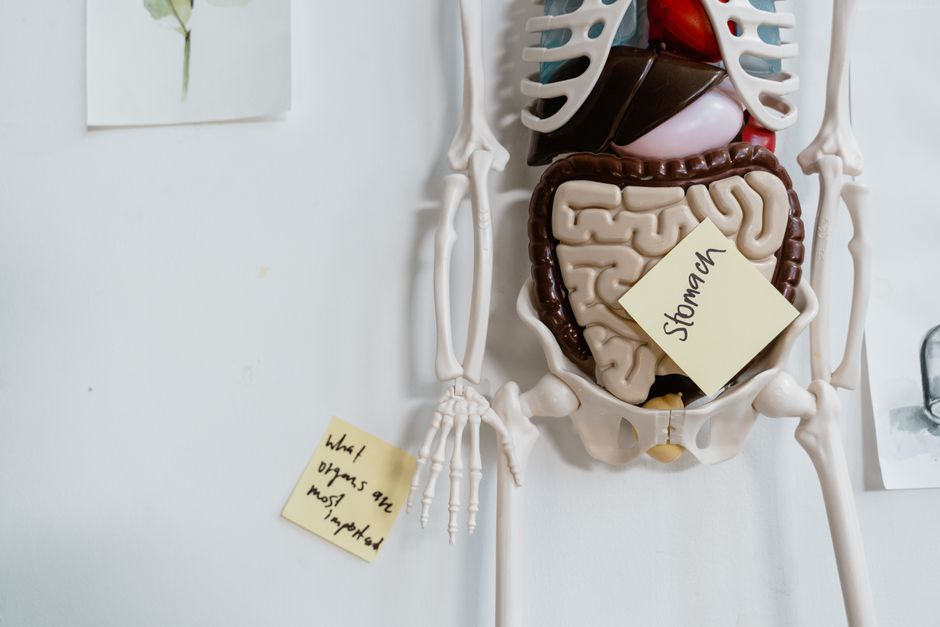
The liver is part of the digestive system, but it is not part of the digestive tract. That distinction trips up a lot of people, and it is worth getting straight. The digestive tract is the hollow tube that food actually travels through — mouth, esophagus, stomach, small intestine, large intestine, rectum, anus. The liver sits outside that tube. It is a solid organ, and it is one of the most important digestive organs you have.
So if you have ever wondered whether the liver counts as part of the digestive tract, the short answer is no. It is a digestive organ, not a digestive tract organ. The difference is not just wordplay. It reflects two different jobs: moving food along, and processing what that food becomes.
What Is the Difference Between the Digestive Tract and the Digestive System?
The digestive tract is a continuous muscular tube roughly 30 feet long in adults, running from your mouth to your anus. Food and liquid pass through it in one direction. Its job is mechanical and chemical breakdown, absorption of nutrients, and elimination of what is left.
The digestive system is the bigger picture. It includes the tract plus the organs that support digestion without food ever passing through them. Those organs are the liver, gallbladder, and pancreas. They connect to the tract through ducts, but they sit outside it.
This is why you can have a liver problem and still have a perfectly normal-looking digestive tract on a scope. The tube can look fine while the organ doing the chemical work behind the scenes is struggling.
An easy way to picture it: the digestive tract is the road. The liver, gallbladder, and pancreas are the factories alongside the road. Traffic never drives through the factories, but what happens inside them decides what gets delivered and where.
What Does the Liver Actually Do for Digestion?
The liver makes bile, a yellow-green fluid that helps your body break down and absorb fats. The liver produces it continuously, and the gallbladder stores and concentrates it between meals. When you eat something fatty, the gallbladder squeezes bile into the small intestine through a duct.
Bile does not contain digestive enzymes the way pancreatic juice does. Instead, it acts more like a detergent. It breaks large fat droplets into smaller ones, a process called emulsification. That gives fat-digesting enzymes from the pancreas more surface area to work on. Without adequate bile flow, fat absorption suffers.
But bile is only part of the story. Everything you absorb from your gut — sugars, amino acids, fats, vitamins, minerals — drains first into the portal vein and goes straight to the liver before it reaches the rest of your body. The liver is the first stop for almost everything you eat.
There, it decides what to do with each nutrient:
- Stores glucose as glycogen and releases it back into the blood when blood sugar drops
- Converts excess sugar into fat for longer-term storage
- Builds plasma proteins, including albumin and the proteins that help blood clot
- Processes amino acids and turns ammonia, a waste product, into urea for the kidneys to remove
- Stores vitamins A, D, B12, and iron
- Breaks down drugs, alcohol, and other substances so they can leave the body
That list covers a lot of ground, and it explains why the liver is often described as the body’s chemical plant. Digestion as most people think of it — chewing, swallowing, moving food along — happens without the liver. What happens to nutrients after absorption is where the liver becomes essential.
Why Do People Think the Liver Is Part of the Digestive Tract?
Because it clearly belongs to the digestive system, and most people use the two phrases interchangeably. Textbooks and health sites often list the liver alongside the stomach and intestines when describing digestion, which blurs the line.
The liver also shares a blood supply and a duct system with the gut. The bile duct connects the liver and gallbladder directly to the small intestine. The portal vein carries blood from the intestines straight into the liver. Functionally, the liver and gut are in constant conversation.
There is another reason the confusion sticks. When the liver fails, digestion often suffers. Fat absorption drops when bile flow is blocked. Appetite falls. Weight loss can follow. So the liver looks like part of the tract even though anatomically it is not.
Anatomy and function are two different lenses. Through the anatomy lens, the liver is outside the tube. Through the function lens, it is central to digestion. Both are true.




Which Organs Are in the Digestive Tract and Which Are Not?
This is where a simple list clears things up. The digestive tract is the hollow passage food moves through. The accessory organs support digestion from the outside.
| Structure | Part of Digestive Tract? | Food Passes Through? |
|---|---|---|
| Mouth | Yes | Yes |
| Esophagus | Yes | Yes |
| Stomach | Yes | Yes |
| Small intestine | Yes | Yes |
| Large intestine | Yes | Yes |
| Rectum and anus | Yes | Yes |
| Liver | No | No |
| Gallbladder | No | No |
| Pancreas | No | No |
The liver, gallbladder, and pancreas are called accessory digestive organs. They are essential to digestion, but they are not part of the tube itself.
How Are the Liver and Digestive Tract Connected?
Two physical connections tie them together. The first is the biliary system — the network of ducts that carries bile from the liver and gallbladder into the small intestine. The second is the portal vein, which collects blood from the stomach, intestines, spleen, and pancreas and delivers it to the liver.
The portal vein is a detail many people miss. It means the liver gets first access to everything absorbed from your gut, including nutrients and anything else that got through the intestinal wall. Drugs, alcohol, and toxins absorbed in the intestine reach the liver at higher concentrations than the rest of the body does. That is why the liver is vulnerable to certain medications and to alcohol.
This setup also explains a common clinical pattern. When the liver is damaged and scarred, blood flow through it slows. Pressure backs up into the portal vein. That can cause fluid buildup in the abdomen and enlarged veins in the esophagus and stomach. These are complications of liver disease, not digestive tract disease, but they show how tightly the two systems are linked.
Does the Liver Have Other Jobs Beyond Digestion?
Yes, and they are substantial. The liver performs hundreds of functions, and only some relate to digestion. It filters and cleans the blood, removes old red blood cells, stores iron, and helps regulate blood clotting.
It also handles detoxification. The liver breaks down alcohol, medications, and metabolic waste products into forms the body can excrete. This is why liver function matters for how drugs behave in your body and why some medications need dose adjustments when the liver is impaired.
Another job that does not get much attention: the liver helps regulate blood sugar between meals. When you have not eaten for hours, the liver releases stored glucose to keep your blood sugar steady. Without that, you would not make it through the night. This is a metabolic role, not a digestive one, but it depends on what the liver absorbed from your gut earlier.
That overlap is why the liver is hard to categorize neatly. It is a digestive organ, a metabolic organ, a storage organ, and a detoxifying organ all at once.
Does It Matter Whether We Call It Part of the Tract?
For everyday conversation, not much. For understanding your health, it does. Knowing the liver sits outside the tube helps explain why liver conditions and digestive tract conditions can look different, get diagnosed differently, and be treated differently.
It also helps you ask better questions. If you have fatty liver disease, that is a liver condition, not a problem with your intestines. If you have trouble absorbing fat, the issue could be in your intestine, your pancreas, your gallbladder, or your liver — and figuring out which one matters for treatment.
One clarification worth holding onto: the liver is part of the digestive system but not the digestive tract. That single distinction answers the question cleanly and avoids a lot of confusion.
Frequently Asked Questions
Is the liver part of the digestive tract?
No. The liver is part of the digestive system but not the digestive tract, which is the hollow tube food passes through from mouth to anus.
What are the accessory organs of the digestive system?
The liver, gallbladder, and pancreas are the main accessory digestive organs. They support digestion by producing bile and enzymes but food never passes through them.
Does food pass through the liver?
No. Food and waste never travel through the liver. Nutrients absorbed in the intestine reach the liver through the portal vein, but that is blood flow, not the passage of food.
What does the liver do for digestion?
The liver makes bile, which helps break down and absorb fats in the small intestine. It also processes and stores the nutrients absorbed from your gut before they reach the rest of your body.
