
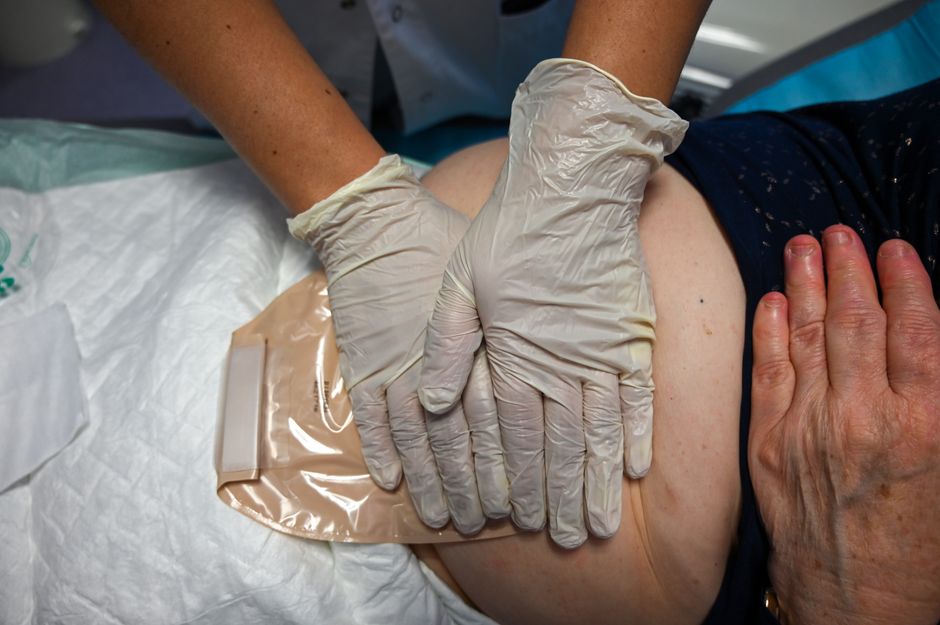
Bloating is one of the most common digestive complaints in the United States, and it usually has nothing to do with your liver. Gas, slow bowel transit, food intolerances, and irritable bowel syndrome are far more likely explanations. But the liver can cause abdominal swelling in specific situations, and that swelling is different from the everyday bloating most people mean when they use the word.
The distinction matters. Ordinary bloating is gas trapped in the stomach or intestines. Liver-related swelling is fluid collecting in the abdominal cavity, a condition called ascites. These are two separate problems with two separate causes. Confusing them can lead people to worry about their liver when the issue is actually in their gut, or to dismiss a serious liver problem as routine indigestion.
Can the liver cause bloating?
Yes, but not in the way most people think. The liver does not produce gas. It cannot cause the gassy, distended feeling that comes after a large meal or a high-fiber day. What a damaged liver can do is allow fluid to build up in the abdomen, and that fluid creates a very different kind of swelling.
Ascites is the medical term for this fluid accumulation. It is not gas. It is not a temporary feeling of fullness. It is a measurable collection of fluid that pushes the belly outward and can make clothing feel tight, breathing feel harder, and movement feel heavier.
Ascites typically appears when liver disease is advanced. It is rare in early liver disease. In people with cirrhosis, it is one of the complications that signals the liver is no longer keeping up with its normal jobs. That is why liver-related swelling is a medical concern, not a digestive inconvenience.
So the honest answer to whether the liver can cause bloating depends entirely on what you mean by the word. If you mean gas and pressure, the liver is almost never the cause. If you mean visible abdominal swelling from fluid, the liver can absolutely be the cause.
How does the liver cause bloating?
The mechanism is well understood. A healthy liver produces proteins, filters blood, and manages pressure inside the veins that drain the digestive organs. When the liver is scarred or damaged, several of these functions break down at once.
Scar tissue inside the liver slows blood flow through it. That backup raises pressure in the portal vein, the large vessel that carries blood from the intestines to the liver. This is called portal hypertension. Higher pressure forces fluid out of the blood vessels and into the abdominal cavity.
At the same time, the damaged liver makes less albumin, a protein that helps hold fluid inside blood vessels. Lower albumin means fluid leaks out more easily. The kidneys also react to these changes by retaining salt and water, which adds to the fluid buildup.
These three problems — pressure, low albumin, and kidney salt retention — work together. That is why ascites tends to appear once liver disease is advanced rather than early.
One detail worth knowing: ascites and gas bloating can occur in the same person at the same time. Someone with cirrhosis may also have constipation, bacterial overgrowth in the gut, or slow digestion. So a person with liver disease who feels bloated may have both issues happening together, which makes the picture harder to sort out without a doctor.
What does liver-related bloating actually feel like?
Ascites does not feel like gas. The differences are usually noticeable, though not always obvious in the early stages.
- Swelling that builds over days to weeks, not hours
- A belly that looks and feels firm rather than soft and gassy
- Weight gain that does not match your eating
- Swelling in the ankles and legs alongside the belly
- Shortness of breath, especially when lying flat
- Feeling full quickly when eating
- A belly button that pushes outward
Gas bloating, by contrast, tends to come and go within hours. It often eases after passing gas or having a bowel movement. It can be uncomfortable, but it does not usually change the shape of the abdomen for days at a time.
If swelling in your belly is persistent, getting worse, or paired with leg swelling or trouble breathing, that is a reason to see a doctor promptly. These are not symptoms to watch at home for weeks.





What else causes bloating besides the liver?
Most bloating has nothing to do with the liver. The list of common causes is long, and each one works differently.
Gas from swallowed air or from bacteria fermenting undigested food in the colon is the most frequent cause. Food intolerances — lactose, fructose, and certain sugars in beans, onions, and wheat — are common triggers. Irritable bowel syndrome causes bloating in a large share of people who report it. Constipation allows stool and gas to build up. Celiac disease, small intestinal bacterial overgrowth, and gynecologic conditions can all cause abdominal swelling.
Heart failure, kidney disease, and some cancers can also cause fluid to collect in the abdomen. That is why new, persistent abdominal swelling deserves a medical evaluation rather than a guess.
The practical point is this: bloating is a symptom, not a diagnosis. It has many possible sources, and the liver is only one of them. In most people who feel bloated, the liver is not involved at all.
When should you worry about bloating and your liver?
Most bloating does not require a liver workup. But certain patterns should prompt a doctor’s visit.
- Swelling that is new, persistent, or getting worse
- Swelling along with yellowing of the eyes or skin
- Swelling with easy bruising or bleeding
- Swelling with confusion, sleepiness, or trouble concentrating
- A known history of liver disease, hepatitis, or heavy alcohol use
- Leg swelling, shortness of breath, or rapid weight gain
Yellowing of the skin or eyes, confusion, and easy bleeding are signs that warrant urgent medical attention. These can point to serious liver problems that need prompt care.
If you have no risk factors and your bloating comes and goes with meals or bowel habits, the liver is unlikely to be the cause. Still, if the symptom is new for you or does not improve, a doctor can help sort it out.
How do doctors tell the difference?
Doctors distinguish liver-related swelling from ordinary bloating through a physical exam and a small number of tests.
A physical exam can often detect ascites. When fluid is present, the belly may feel firm and dull to tapping, and shifting the position of the fluid can be felt. A doctor may also check for leg swelling and look for other signs of liver disease.
An ultrasound is usually the first imaging test. It can confirm fluid in the abdomen and show the size and texture of the liver. Blood tests can check liver enzymes, albumin, and clotting factors. In some cases, a doctor will remove a small sample of the fluid with a needle to look for infection or other causes.
This step matters because ascites is not always from the liver. Heart failure, kidney disease, and cancer can cause it too. Identifying the source changes the treatment entirely.
Can liver-related bloating be treated?
Ascites can usually be managed, though the approach depends on the underlying cause and how advanced the liver disease is. Treatment is directed by a doctor and is not something to attempt on your own.
A low-sodium diet is a standard part of care. Reducing salt helps the body release excess fluid. Diuretic medications are commonly prescribed to help the kidneys remove fluid. In some cases, fluid is drained from the abdomen with a needle, a procedure called paracentesis, which can relieve pressure and breathing difficulty.
Treating the underlying liver disease is the most important step. That may involve antiviral medication for viral hepatitis, stopping alcohol use, or other specific treatments depending on the cause. In advanced cases, liver transplant may be considered.
What does not help is treating ascites like ordinary gas. Simethicone, probiotics, and dietary fiber changes may help with gas bloating, but they do not address fluid buildup. If you have ascites, those products will not solve the problem, and delaying real treatment can allow the condition to worsen.
What about “liver detox” products for bloating?
No clinical evidence supports the claim that liver detox supplements reduce bloating or improve liver function. The liver already detoxifies the body on its own. It processes drugs, alcohol, and waste products continuously without needing help from a pill or tea.
Some herbal products marketed for liver health can actually cause harm. Certain botanicals have been linked to liver injury, and supplements are not held to the same safety standards as prescription medications in the United States. That does not mean every product is dangerous, but it does mean the claims are not backed by evidence and the risks are not always known.
If bloating is from gas, a detox product will not fix it. If bloating is from ascites, a detox product will not fix that either — and it may delay care that actually works.
Frequently Asked Questions
Can a fatty liver cause bloating?
Fatty liver disease by itself does not usually cause bloating or abdominal swelling. Bloating from liver disease typically appears only when the liver is significantly damaged and fluid begins to collect in the abdomen.
Is bloating an early sign of liver disease?
No, bloating is not a typical early sign of liver disease. Early liver disease often causes no symptoms at all, and abdominal swelling from fluid generally appears only in advanced stages.
How do I know if my bloating is from my liver or my gut?
Gut bloating comes and goes within hours and eases after passing gas or a bowel movement. Liver-related swelling builds over days or weeks, feels firm, and often comes with leg swelling or shortness of breath.
Can liver disease cause gas and bloating?
Liver disease can cause abdominal swelling from fluid, but it does not directly produce gas. People with liver disease may also have gas from separate digestive issues, which can make the two problems hard to tell apart.
