
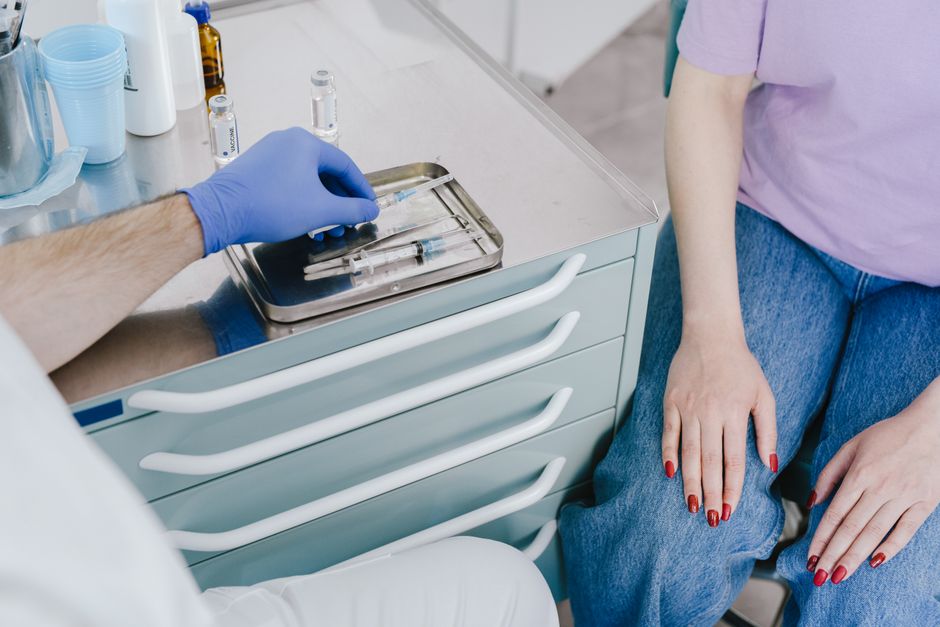
HPV vaccination does not cause infertility. That is the bottom line from two decades of safety monitoring across millions of doses given worldwide. The confusion that surrounds this question usually traces back to a handful of viral claims, a few poorly designed animal studies, and a misunderstanding of what the vaccine actually does in the body.
In 2018, a scientific review of the evidence found no link between HPV vaccination and infertility in humans. Major health agencies, including the World Health Organization and the U.S. Centers for Disease Control and Prevention, continue to monitor the vaccine and have not identified any fertility-related safety signal. The vaccine prevents several types of cancer. It does not harm a person’s ability to have children.
Is the HPV vaccine safe for young women and girls?
The HPV vaccine has one of the most closely tracked safety records of any vaccine in use today. Since it was first approved in 2006, hundreds of millions of doses have been given globally. Health agencies in the U.S., Europe, Australia, and elsewhere run multiple overlapping safety systems that watch for problems after vaccination.
The most common side effects are the same as with most shots:
- Pain, redness, or swelling where the needle went in
- Feeling tired or having a headache
- Muscle or joint aches
- Fever, usually mild
- Nausea or dizziness, especially in teens who are nervous about needles
Fainting is more common after HPV vaccination than after some other shots, particularly in adolescents. This is why clinics often ask patients to sit or lie down for about 15 minutes afterward. Fainting is not a sign of a serious reaction. It is a reflex that happens with many injections in young people.
Serious reactions are rare. Anaphylaxis, a severe allergic reaction, occurs in a very small number of cases per million doses. Clinics are equipped to treat it. The risk is far lower than the risk of the cancers the vaccine prevents.
Does the HPV vaccine cause fertility problems?
No. The claim that HPV vaccination causes infertility is not supported by human evidence. It began largely with a small study in mice that received a much higher dose of one vaccine component than humans receive, along with an immune adjuvant. That study has been criticized for its methods and has not been replicated in humans in any meaningful way.
The confusion also comes from a misunderstanding of how the vaccine works. The HPV vaccine uses a single viral protein that assembles into what looks like the outer shell of the virus. It contains no live virus and no viral DNA. It cannot infect cells or alter human DNA. It cannot affect the ovaries, eggs, or sperm.
Large population studies have looked for fertility problems in vaccinated people and found none. In fact, some research suggests vaccinated women may be slightly less likely to have certain fertility issues linked to HPV infection itself, because the vaccine prevents the infections that can lead to them. That is not the main reason to get vaccinated, but it is worth knowing.
Can HPV infection itself affect fertility?
Yes, and this is where the conversation often gets turned around. HPV infection, not the vaccine, is the thing with a documented link to fertility problems in some cases.
Certain high-risk HPV types cause changes in cervical cells. When those changes are severe, they may need treatment. Some treatments, like a procedure called a cone biopsy, remove part of the cervix. That procedure can sometimes affect fertility or pregnancy outcomes, though many people who have it go on to have normal pregnancies.
HPV infection has also been associated with other conditions that can affect reproductive health, though the research here is more mixed. The key point is simple: preventing HPV infection through vaccination removes one pathway that can lead to fertility problems. It does not create one.





What does the evidence say about HPV vaccine and pregnancy?
The HPV vaccine is not recommended during pregnancy, but not because it has been shown to cause harm. The recommendation is based on caution. When the vaccine was first introduced, pregnant women were not included in the initial trials, so there was limited data on its use in pregnancy.
Since then, many women have inadvertently received the vaccine while pregnant, and monitoring has not found an increased risk of miscarriage, birth defects, or other pregnancy problems. The current guidance from health agencies is to wait until after pregnancy to complete the series. If a woman finds out she is pregnant after starting the series, the remaining doses are delayed until after delivery. This is a precaution, not a response to a known danger.
There is no evidence that the HPV vaccine affects breastfeeding or the health of a breastfed infant. Some agencies consider it safe during breastfeeding, while others recommend waiting. If you are breastfeeding and considering the vaccine, talk with your clinician about your specific situation.
Why do some people still believe the vaccine causes infertility?
Several factors keep this myth alive. One is the timing. The HPV vaccine is recommended for girls and young women around the same age when some fertility issues naturally emerge. If someone is diagnosed with a fertility problem after vaccination, it is easy to assume a connection, even when none exists.
Another factor is the way stories spread online. A single anecdotal report can travel faster than a dozen studies that show no link. Social media rewards emotional stories over statistics. This is not unique to the HPV vaccine, but it has been a particular problem for this one.
There is also a broader issue with how people think about risk. A rare side effect that happens after a vaccine feels more connected to the vaccine than a cancer that might have been prevented years later. The cancer never happens, so there is nothing to see. The side effect, even if unrelated, gets noticed.
Finally, some of the early messaging around the vaccine focused on preventing cervical cancer in women. That framing may have inadvertently made the vaccine seem like something that only matters for reproductive health, which then made fertility concerns feel more relevant. The vaccine prevents several cancers in both men and women, including cancers of the throat, anus, and penis.
What are the actual risks and benefits?
The benefits of HPV vaccination are well documented. The vaccine prevents infections from the HPV types that cause most cervical cancers, as well as several other cancers and genital warts. Countries with high vaccination rates have seen sharp drops in HPV infections and early signs of cervical cancer in vaccinated groups.
The risks are the usual vaccine risks: sore arm, fatigue, headache, and rarely, a serious allergic reaction. There is no evidence of a link to infertility, autoimmune disease, or neurological problems in humans. The evidence on those claims has been reviewed repeatedly, and the findings have not changed.
Some people ask about the aluminum adjuvant in the vaccine. Aluminum salts have been used in vaccines for decades. They help the immune system respond more strongly. The amount in the HPV vaccine is small and within the range used in other vaccines. The evidence does not show harm from this amount.
If you are deciding whether to get the vaccine for yourself or your child, the honest answer is that the benefits clearly outweigh the risks for most people. The vaccine prevents cancer. The side effects are mostly mild and temporary. The fertility concern is not supported by the evidence.
Frequently Asked Questions
Can the HPV vaccine make you infertile?
No. Multiple large studies and years of safety monitoring have found no link between HPV vaccination and infertility in humans. The claim originated from a small, unreplicated animal study and has not held up in human data.
Is it safe to get the HPV vaccine while pregnant?
The vaccine is not recommended during pregnancy as a precaution, but monitoring has not found harm when it has been given inadvertently. If you are pregnant, wait until after delivery to complete the series.
Does HPV infection itself affect fertility?
HPV infection can lead to cervical changes that sometimes require treatment, and some of those treatments may affect fertility or pregnancy. Preventing HPV through vaccination removes one risk pathway rather than adding one.
What are the most common side effects of the HPV vaccine?
The most common side effects are soreness at the injection site, fatigue, headache, and mild fever. Fainting can happen in teens, so clinics often ask patients to sit for 15 minutes after the shot.
