
Viral pneumonia is a lung infection caused by a virus, not bacteria. It leads to inflammation in the air sacs of the lungs, which can fill with fluid or pus. Most healthy adults recover at home, but it can be severe for older adults, young children, and people with chronic conditions. Treatment focuses on managing symptoms and supporting the immune system, since antibiotics do not work against viruses.
What Causes Viral Pneumonia?
Many different viruses can cause pneumonia. The most common ones in adults include influenza (the flu), respiratory syncytial virus (RSV), and the virus that causes COVID-19. In children, RSV is a leading cause. Other viruses like adenovirus, rhinovirus, and parainfluenza can also lead to pneumonia.
These viruses spread through respiratory droplets. When an infected person coughs or sneezes, tiny droplets carrying the virus enter the air. You can inhale them, or touch a surface with the virus and then touch your face.
Most people who get a respiratory virus do not develop pneumonia. Pneumonia happens when the infection moves deeper into the lungs. People with weakened immune systems, lung disease, or heart disease face a higher risk. Smoking also increases the risk because it damages the lungs’ natural defenses.
How Is Viral Pneumonia Different From Bacterial Pneumonia?
The two types of pneumonia are caused by different germs. Bacterial pneumonia is caused by bacteria like Streptococcus pneumoniae. Viral pneumonia is caused by a virus. The distinction matters because the treatments are completely different.
Antibiotics kill bacteria but have no effect on viruses. Taking antibiotics for viral pneumonia will not help and can contribute to antibiotic resistance. In some cases, a person with viral pneumonia can later develop a secondary bacterial infection on top of it.
Viral pneumonia often starts with flu-like symptoms such as fever, dry cough, headache, and muscle pain. Bacterial pneumonia more often comes on suddenly with high fever and a productive cough that brings up colored mucus. However, these patterns are not reliable enough to diagnose the type without medical evaluation.
What Are the Symptoms of Viral Pneumonia?
Symptoms can range from mild to severe. They often appear gradually over a few days. Common symptoms include:
- Fever and chills
- Dry cough or cough with mucus
- Shortness of breath
- Fatigue and weakness
- Chest pain, especially when breathing deeply or coughing
- Headache and muscle aches
- Loss of appetite
In older adults, confusion or a change in mental state can be a symptom. In infants, symptoms may include poor feeding, grunting, or flaring of the nostrils. A bluish tint to the lips or fingertips is a sign of low oxygen and requires immediate medical attention.
Some research suggests that viral pneumonia may produce a more gradual onset of symptoms compared to bacterial pneumonia. But this is not a reliable way to tell them apart. Only a doctor can determine the cause through examination and testing.





Is There Viral Pneumonia Treatment?
Treatment depends on the specific virus causing the infection and the severity of the illness. For most healthy people, supportive care is the main approach. That means rest, fluids, and fever-reducing medication like acetaminophen or ibuprofen.
Antiviral medications exist for specific viruses. For influenza, drugs like oseltamivir can shorten the illness if started early. For COVID-19, antiviral treatments are available for people at high risk of severe disease. For RSV, treatment is mostly supportive, though some high-risk patients may receive specific therapies in a hospital.
Severe cases may require hospitalization. In the hospital, patients may receive oxygen therapy, intravenous fluids, and breathing treatments. In the most serious cases, a ventilator is needed to help with breathing.
There is no single antibiotic that treats viral pneumonia because antibiotics do not treat viruses. Some clinicians prescribe antibiotics if they suspect a secondary bacterial infection. This is a judgment call based on the patient’s condition.
How Is Viral Pneumonia Diagnosed?
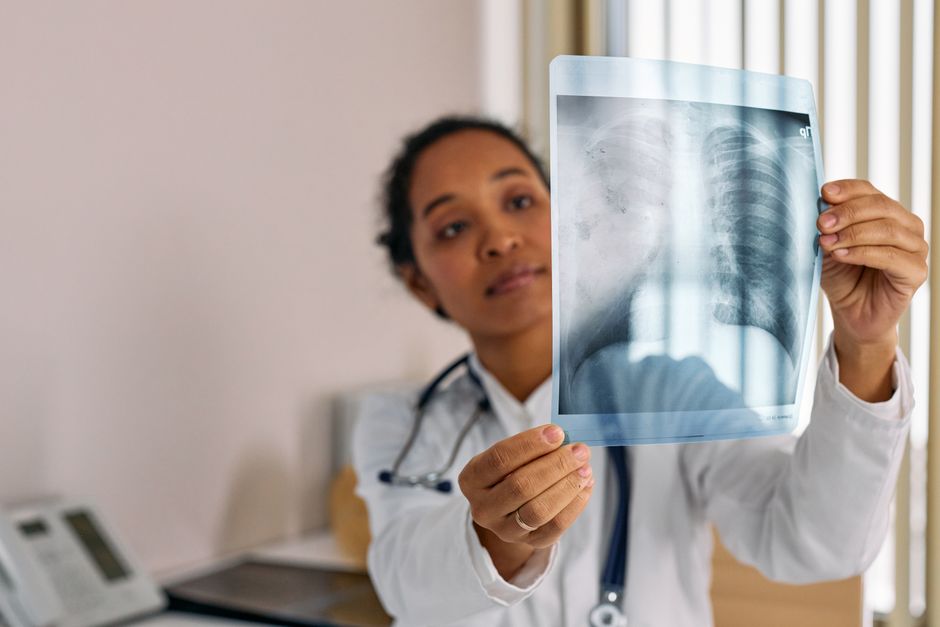
A doctor will start with a physical exam and listen to your lungs. They may hear crackling or abnormal sounds that suggest fluid in the lungs. If pneumonia is suspected, the doctor may order a chest X-ray to confirm the diagnosis and see the extent of the infection.
To identify the specific virus, doctors can use a nasal swab or throat swab. These tests detect influenza, RSV, or the virus that causes COVID-19. Blood tests can also help by showing signs of infection or inflammation.
In some cases, the exact virus is never identified. This is common because testing may not catch every virus, and the treatment plan often stays the same regardless of which virus is responsible.
How Long Does Viral Pneumonia Last?
Recovery time varies. Many people start feeling better within one to two weeks. A full recovery can take several weeks or even a month or more. Fatigue and a lingering cough are common even after the infection clears.
Age and overall health play a large role in recovery. A young, healthy adult may bounce back quickly. An older adult or someone with a chronic condition may take longer and may need more intensive care.
It is important not to rush back to normal activity too soon. Rest is part of the treatment. Returning to work or exercise before the lungs have healed can slow recovery and increase the risk of complications.
Can Viral Pneumonia Be Prevented?
Vaccines are the most effective prevention tool. Annual flu shots reduce the risk of influenza and its complications, including pneumonia. COVID-19 vaccines reduce the risk of severe illness. RSV vaccines are now available for older adults and for pregnant women to protect infants.
Good hygiene also matters. Washing hands frequently, avoiding close contact with sick people, and covering coughs and sneezes reduce the spread of respiratory viruses. Wearing a mask in crowded indoor spaces during high viral seasons can also lower the risk of exposure.
For people at high risk, such as those with chronic lung disease or weakened immune systems, early medical attention during a respiratory illness is important. Prompt evaluation can catch pneumonia early and improve outcomes.
When Should You See a Doctor?
Anyone with difficulty breathing, chest pain, confusion, or a bluish tint to the lips should seek emergency care immediately. These are signs that the lungs are struggling to deliver oxygen to the body.
For less urgent symptoms, see a doctor if a cough lasts more than a few weeks, if fever persists, or if you feel progressively worse instead of better. People in high-risk groups — older adults, pregnant women, young children, and those with chronic conditions — should contact a doctor early in the illness even if symptoms seem mild.
Is There Viral Pneumonia Causes Symptoms Treatment?
Viral pneumonia is a lung infection caused by respiratory viruses like influenza, RSV, or the virus that causes COVID-19. Symptoms include fever, cough, shortness of breath, and fatigue. Treatment is mostly supportive — rest, fluids, and fever control — with antivirals used for certain viruses. Antibiotics do not treat viral pneumonia. Severe cases require hospital care, and vaccination remains the best prevention.
Frequently Asked Questions
Is viral pneumonia contagious?
Yes, viral pneumonia is contagious. It spreads through respiratory droplets when an infected person coughs or sneezes, and you can catch it by inhaling those droplets or touching contaminated surfaces.
Can viral pneumonia turn into bacterial pneumonia?
Yes, this can happen. A person with viral pneumonia may develop a secondary bacterial infection, which can make the illness more severe and may require antibiotics.
How can you tell if pneumonia is viral or bacterial?
Only a doctor can tell for certain. A chest X-ray, blood tests, and nasal swabs help identify the cause, though the exact virus is sometimes never found.
Is a hospital stay always needed for viral pneumonia?
No. Most healthy adults recover at home with rest, fluids, and fever-reducing medication. Hospital care is needed for severe cases, people with low oxygen levels, and those in high-risk groups.
