
If you have breathed in mold, the first steps are to get to fresh air and rinse your nose and throat with clean water. Most short-term symptoms, like coughing, sneezing, or a scratchy throat, will ease on their own within a few hours. For persistent discomfort, over-the-counter antihistamines or nasal saline rinses can help, but you should see a doctor if you have asthma, a weakened immune system, or if symptoms get worse instead of better.
What Happens When You Breathe In Mold?
Mold releases tiny spores into the air. These spores are everywhere, both indoors and outdoors. When you inhale them, your immune system reacts.
For most people, that reaction is mild. The body recognizes the spores as foreign and triggers a minor inflammatory response. This is why you might sneeze, cough, or feel a tickle in your throat. It is the same mechanism behind seasonal allergies.
For people with mold allergies, the reaction is stronger. The immune system releases histamine, which causes swelling in the nasal passages, watery eyes, and increased mucus production. This is your body trying to flush the spores out.
In people with asthma, mold spores can act as a trigger. The airways tighten, making it harder to breathe. This requires different management than simple allergy symptoms.
Immediate Steps For Mold Exposure Relief
Get out of the affected area as soon as you notice symptoms. Fresh air is the most effective first response. Open windows if you are indoors and the outdoor air is clean.
Rinse your nasal passages with a saline spray or neti pot. This physically washes spores out of your nose before they can settle deeper. Use distilled, sterile, or previously boiled water for any nasal rinse. Tap water that has not been filtered can introduce other organisms.
Rinse your mouth and gargle with plain water. This clears spores from your throat and reduces irritation. Avoid swallowing large amounts of water contaminated with visible mold growth.
Wash your face and hands. Spores can cling to skin and hair. Showering removes them and prevents you from inhaling them again later when you touch your face.
Medication Options For Mold Symptoms
Over-the-counter antihistamines are the standard first-line treatment for mold allergy symptoms. Medications like cetirizine, loratadine, or fexofenadine block histamine and reduce sneezing, itching, and runny nose. They work best when taken before exposure but are still effective after symptoms start.
Nasal corticosteroid sprays, such as fluticasone or budesonide, reduce inflammation in the nasal passages. They do not work instantly. They typically take several days of daily use to reach full effect. If you have ongoing exposure, these are often more effective than oral antihistamines alone.
Decongestants can help with a stuffy nose. Oral decongestants like pseudoephedrine constrict blood vessels and reduce swelling. Do not use decongestant nasal sprays for more than three consecutive days. Prolonged use causes rebound congestion that is worse than the original problem.
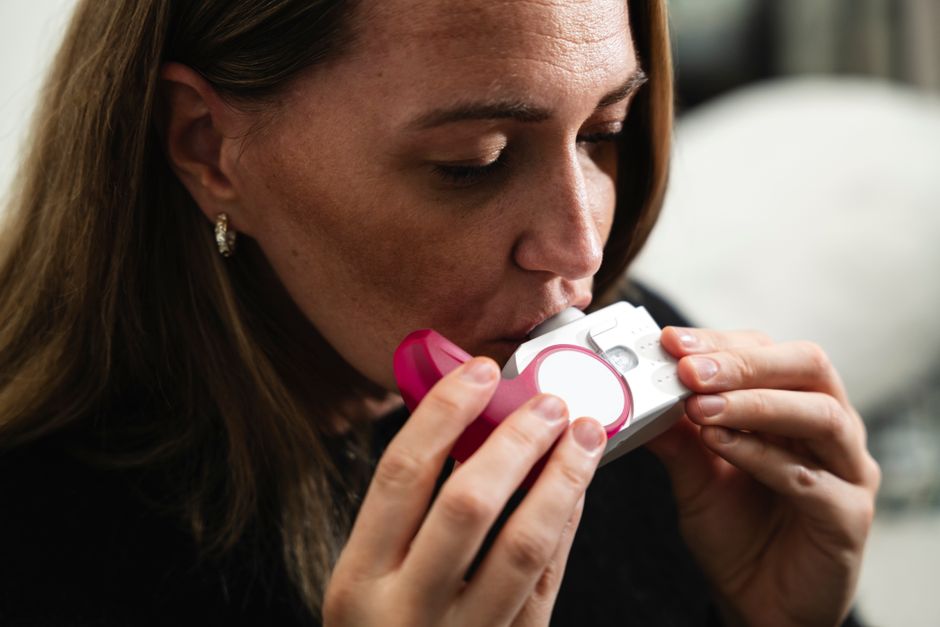
If you have asthma, follow your prescribed action plan. Use your rescue inhaler if you feel chest tightness or wheezing. If your rescue inhaler does not provide relief, seek medical care promptly.





When To See A Doctor
Most healthy adults recover from brief mold exposure without medical treatment. You should see a doctor if your symptoms last longer than a few days or if they interfere with daily activities.
Seek immediate medical care if you experience any of the following:
- Difficulty breathing or shortness of breath
- Chest tightness or pain
- Wheezing that does not respond to your inhaler
- Fever
- Coughing up blood
People with asthma, chronic lung disease, or weakened immune systems should contact a doctor after any significant mold exposure. These groups are at higher risk for mold-related infections and severe respiratory reactions.
If you suspect mold is growing in your home and you have ongoing symptoms, address the source. Removing yourself from the environment will not help if you keep returning to a mold-contaminated space. Fix water leaks, reduce humidity, and clean visible mold with soap and water or a commercial mold cleaner.
Can Mold Cause Long-Term Health Problems?
For most people, no. Brief exposure to mold spores causes temporary symptoms that resolve when the exposure stops. The body clears the spores and the inflammation subsides.
Chronic exposure is a different situation. People who live or work in water-damaged buildings with visible mold growth for months or years may develop persistent respiratory symptoms. Some studies suggest a link between long-term mold exposure and the development of asthma in children, though the evidence is not definitive.
There is no strong clinical evidence that mold exposure causes the vague constellation of symptoms sometimes called “toxic mold syndrome,” such as memory problems, fatigue, or joint pain. These claims are not supported by well-controlled human trials. If you have these symptoms, discuss them with your doctor, but mold is unlikely to be the sole cause.
Certain molds can cause serious infections, but this is rare. It occurs almost exclusively in people with severely suppressed immune systems, such as organ transplant recipients or people undergoing chemotherapy. Healthy individuals do not develop systemic mold infections from normal environmental exposure.
How To Prevent Mold Symptoms In The Future
Prevention is more effective than treatment. Mold needs moisture to grow. Controlling indoor humidity is the most important step.
Keep indoor humidity between 30 and 50 percent. Use exhaust fans in bathrooms and kitchens. Fix leaks promptly, including hidden ones behind walls or under sinks. Dry wet areas within 24 to 48 hours to prevent mold growth.
If you are sensitive to mold, wear an N95 respirator mask when cleaning areas with visible mold. A standard cloth mask does not filter out spores effectively. Open windows and doors to ventilate the area while you work.
If you know you will be entering a moldy environment, such as a damp basement or a building known to have water damage, take an antihistamine beforehand. This does not block exposure but reduces the severity of your allergic reaction.
The Evidence On Air Purifiers For Mold
Air purifiers with HEPA filters can remove mold spores from the air. HEPA filters are designed to capture particles at 0.3 microns, and mold spores range from about 1 to 30 microns. They are effective at trapping spores that pass through the filter.
However, air purifiers do not address the source of mold. If mold is actively growing in your home, spores will continue to be released. An air purifier reduces airborne spore concentration but does not eliminate the problem.
Some air purifiers claim to use UV light or ionization to kill mold. The evidence for these technologies is limited. UV light can kill mold on surfaces with prolonged exposure, but the brief contact time in an air purifier is unlikely to be effective. Do not rely on these features as a substitute for HEPA filtration.
If your symptoms persist despite removal from the environment and over-the-counter treatment, see a doctor. An allergist can perform skin or blood tests to confirm mold allergy and prescribe stronger treatments if needed. A primary care doctor can rule out other causes of your symptoms, such as viral infections or bacterial sinusitis.
Frequently Asked Questions
How long do mold exposure symptoms last?
Most symptoms resolve within a few hours to a few days after leaving the moldy environment. If symptoms last longer than a week, see a doctor.
Can breathing in mold make you sick?
Yes, mold can cause allergy symptoms like sneezing, coughing, and a runny nose, and can trigger asthma attacks. Serious infections from mold are rare and mainly affect people with weakened immune systems.
Does a dehumidifier help with mold symptoms?
Yes, a dehumidifier reduces indoor humidity, which prevents mold from growing and reduces airborne spore levels. It does not remove spores that are already in the air.
Should I throw away items with mold on them?
Porous items like carpet, drywall, and ceiling tiles with visible mold growth should be removed and replaced. Non-porous surfaces like glass, metal, and plastic can usually be cleaned with soap and water.
