
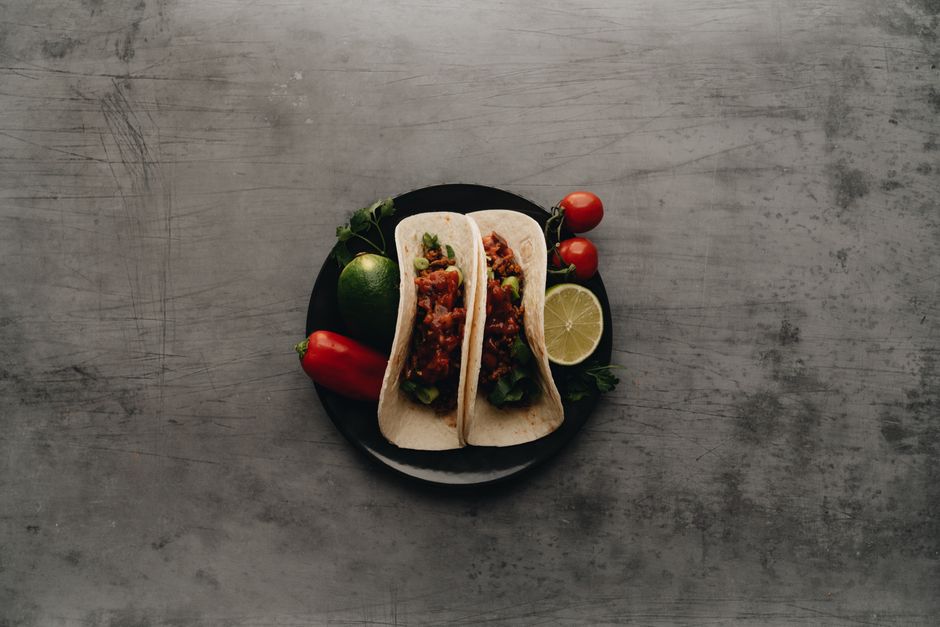
Taco Bell is not inherently unhealthy, but most of its menu is highly processed, high in sodium, and low in nutritional value. Whether it is unhealthy for you depends entirely on what you order, how often you eat it, and what the rest of your diet looks like. A single Crunchy Taco with beef has around 170 calories, but a loaded nacho dish can exceed 1,000 calories and a full day’s worth of sodium. The honest answer is that Taco Bell can fit into a balanced diet occasionally, but regular consumption of standard menu items is linked to excessive sodium, saturated fat, and refined carbohydrates.
What Are the Main Nutritional Problems at Taco Bell?
The biggest issue at Taco Bell is not fat or calories alone. It is sodium. Most menu items contain between 500 and 1,200 milligrams of sodium per serving. The American Heart Association recommends limiting sodium to 2,300 milligrams per day, with an ideal limit of 1,500 milligrams for most adults. One single Crunchy Taco has about 300 milligrams of sodium. A Beef Burrito Supreme has over 1,000 milligrams. Order a combo meal with a drink and you can easily consume 2,000 milligrams before you finish lunch.
Saturated fat is the second concern. Fried items like the Crunchy Taco shell and Cinnamon Twists add saturated fat and trans fat precursors. The beef itself is seasoned with a mix that includes maltodextrin, modified corn starch, and isolated oat product — all processed fillers. The cheese sauce and sour cream add more saturated fat. A single Quesarito can contain over 10 grams of saturated fat, which is roughly half the recommended daily limit for a 2,000-calorie diet.
Refined carbohydrates are the third problem. The flour tortillas, nacho chips, and crispy shells are made from enriched bleached flour. These digest quickly and spike blood sugar. There is almost no fiber in most menu items. A typical order provides 3 to 6 grams of fiber at best, while the recommended daily intake is 25 to 38 grams.
Is Taco Bell Meat Actually Real Beef?
Yes, the seasoned beef at Taco Bell is real beef. It is not a meat substitute or filler-based product. The company has stated that the beef is 88% USDA-inspected beef and 12% seasonings, water, and other ingredients. This claim has been publicly verified. The misconception that Taco Bell uses “meat paste” or mystery meat is false.
However, that 12% matters. The seasoning mix contains oats, maltodextrin, soy lecithin, and various preservatives. These are not harmful, but they are processed additives. The beef is also cooked with a significant amount of sodium and modified food starch to retain moisture and improve texture. So while it is real beef, it is a heavily processed beef product rather than plain ground meat you would cook at home.
The bigger issue is the portion of protein relative to the rest of the meal. A standard Crunchy Taco has about 8 grams of protein, which is modest. The carbohydrates and fat in the shell and toppings often outweigh the protein benefit. You are getting real beef, but you are also getting a lot of refined carbs and sodium alongside it.
Can You Eat Taco Bell and Still Lose Weight?
Yes, you can. Weight loss depends on total calorie intake, not on the specific restaurant you choose. Taco Bell publishes complete nutrition information for every menu item. Several items are under 200 calories, including the Crunchy Taco, the Soft Taco, and the Bean Burrito. If you order these without cheese or sour cream, the calorie count stays low.
Research on fast food and weight loss consistently shows that people who track calories can lose weight regardless of food source. A 1,500-calorie day at Taco Bell is possible if you choose carefully. But it is difficult. The menu is designed to encourage add-ons, combos, and upgrades. A single order of nacho fries with cheese adds 710 calories and 1,140 milligrams of sodium. One side item can undo an otherwise reasonable meal.
The practical advice is to order a la carte rather than combos. Skip the drinks, which are sugar-sweetened. Choose items with beans or chicken rather than beef or steak. Ask for extra lettuce and tomato. Remove the sour cream and cheese sauce. These small changes reduce calories and sodium substantially without eliminating the convenience.





What Are the Healthiest Items on the Taco Bell Menu?
The healthiest choices at Taco Bell are the simple, non-fried items with beans or chicken. The Fresco menu, which replaces cheese and sauce with pico de gallo, is the best option. A Fresco Crunchy Taco has about 140 calories and 350 milligrams of sodium. A Fresco Bean Burrito has about 340 calories and 900 milligrams of sodium. These are reasonable numbers for a fast food meal.
Other solid choices include the Chicken Soft Taco without cheese, the Black Bean Crunchwrap without sour cream, and the Power Menu Bowl with chicken. The Power Bowl has grilled chicken, black beans, rice, and vegetables. It is one of the few menu items with meaningful fiber and protein in a single serving.
Items to avoid if you are watching your health include anything with the word “loaded,” “quesarito,” or “nachos.” The Cinnamon Twists are fried dough with sugar — they provide almost no nutritional value. The Nacho Fries are fried potatoes with a cheese sauce that adds significant saturated fat. The Crunchwrap Supreme, while popular, contains over 500 calories and 1,200 milligrams of sodium before any additions.
How Does Taco Bell Compare to Other Fast Food?
Taco Bell is not worse than other fast food chains, but it is not meaningfully better either. A standard burger and fries meal at McDonald’s contains roughly 1,000 calories and 1,500 milligrams of sodium. A standard Taco Bell combo with a Crunchy Taco, Beef Burrito, and drink is similar. The difference is portion control — Taco Bell items are individually small, which makes it easier to eat less if you are disciplined.
Compared to Chipotle or other “fast-casual” Mexican restaurants, Taco Bell is more processed. Chipotle uses whole ingredients and offers brown rice, black beans, and fresh salsa. Taco Bell uses processed cheese sauce, pre-cooked beef with additives, and refined flour tortillas. The calorie counts can be similar, but the nutritional quality is lower at Taco Bell.
One advantage Taco Bell has over many fast food chains is menu transparency. Every item has published nutrition data. The company also offers vegetarian and vegan options, which is rare in the fast food space. The Black Bean Crunchwrap and the Bean Burrito are solid plant-based choices. This makes Taco Bell a more flexible option for people with dietary restrictions.
What Is the Fresco Menu and Does It Actually Help?
The Fresco menu replaces cheese, sour cream, and creamy sauces with pico de gallo — a fresh salsa made from tomatoes, onions, and cilantro. This change reduces calories by roughly 30 to 50 calories per item and cuts saturated fat significantly. It also adds a small amount of vegetables, which is rare for fast food.
However, the Fresco menu does not address the sodium problem. The seasoned beef, tortillas, and beans still contain high levels of sodium. A Fresco Crunchy Taco has about 350 milligrams of sodium, which is lower than the standard version but still significant. If you order multiple items, the sodium adds up quickly.
The Fresco menu is a genuine improvement, not a marketing gimmick. It removes the highest-fat components of each item. But it is not a health food. It is a slightly less unhealthy version of fast food. That distinction matters.
Is Taco Bell Safe for People with Diabetes or High Blood Pressure?
People with diabetes can eat at Taco Bell, but they must be careful with carbohydrate portions. A single flour tortilla contains about 25 grams of carbohydrates. A burrito with rice and beans can contain 50 to 70 grams of carbohydrates, which is significant for someone managing blood sugar. The fiber content is low, which means these carbohydrates absorb quickly and can spike glucose levels.
People with high blood pressure face a more serious challenge. The sodium content in most Taco Bell items is high enough that a single meal can exceed the daily recommended limit for someone with hypertension. The American Heart Association recommends no more than 1,500 milligrams of sodium per day for people with high blood pressure. A single Beef Burrito Supreme contains over 1,000 milligrams. Add a side of nachos and you have consumed your entire daily allowance in one sitting.
There are no specific clinical guidelines for eating at Taco Bell with these conditions. The general advice is to check nutrition information before ordering, choose grilled items over fried, and limit portion sizes. For people with high blood pressure, the safest approach is to avoid the menu entirely or limit visits to rare occasions.
Are There Any Hidden Ingredients or Additives to Worry About?
Taco Bell has removed artificial colors and trans fats from its menu. The company also eliminated palm oil from its tortillas. These are positive changes. However, the menu still contains processed ingredients including maltodextrin, modified food starch, and cellulose gum. These are common food additives used as thickeners and stabilizers. They are generally recognized as safe by the FDA, but they are not whole foods.
The biggest additive concern is the sodium-based preservatives. Most menu items contain sodium phosphate and sodium benzoate. These are used to extend shelf life and maintain texture. They are safe at the levels used in food, but they contribute to the overall sodium load of each meal.
There is no evidence that any specific additive in Taco Bell food is harmful at normal consumption levels. The concern is not a single ingredient. It is the cumulative effect of processed foods eaten regularly. Eating Taco Bell once a week is unlikely to cause health problems. Eating it several times a week, alongside other processed foods, increases your intake of sodium, saturated fat, and refined carbohydrates beyond recommended levels.
Frequently Asked Questions
Is Taco Bell healthier than McDonald’s?
Not meaningfully. Both chains serve highly processed food with similar calorie and sodium loads per meal. Taco Bell has more small-portioned items, which makes it easier to control calories if you order carefully.
Can I eat Taco Bell every day?
Daily consumption is not recommended due to sodium and saturated fat levels. Most menu items exceed 500 milligrams of sodium, and multiple items per day can easily exceed the 2,300 milligram daily limit.
What is the lowest calorie item at Taco Bell?
The Fresco Crunchy Taco is among the lowest at about 140 calories. A plain Crunchy Taco without cheese or sauce is also under 200 calories.
Is Taco Bell beef processed?
Yes. The beef is 88% USDA-inspected beef mixed with seasonings, water, and additives like maltodextrin and modified corn starch. It is real beef, but heavily processed.
