
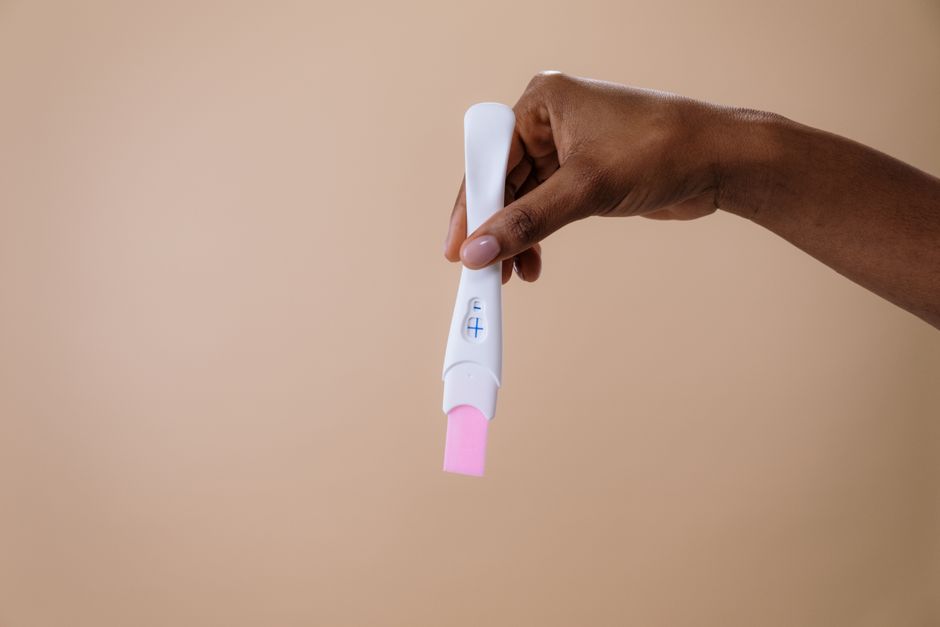
Most couples who are trying to conceive will succeed without medical help, though not always as quickly as they hope. About 85 percent of couples conceive within one year of regular unprotected sex, and roughly half conceive within the first three months. The single most useful thing you can do is time intercourse to your fertile window — the few days before and including ovulation. Everything else, from diet to lifestyle habits, supports that basic biology.
How To Increase Chances Of Conceiving Naturally
Fertilization depends on sperm meeting an egg during a narrow window each cycle. Sperm can survive in the female reproductive tract for up to about five days. An egg is viable for roughly 12 to 24 hours after ovulation. That means the days leading up to ovulation matter more than the day itself.
For a woman with a regular 28-day cycle, ovulation usually occurs around day 14. Cycles vary, though, and many women ovulate earlier or later than the midpoint. Tracking ovulation helps narrow the window.
Methods for identifying the fertile window include:
- Ovulation predictor kits, which detect a surge in luteinizing hormone (LH) in urine roughly 24 to 36 hours before ovulation
- Basal body temperature tracking, which confirms ovulation after it has happened but cannot predict it in advance
- Cervical mucus changes, which typically become clear and stretchy near ovulation
- Calendar tracking, which works reasonably well only for women with very regular cycles
Having sex every one to two days during the fertile window is the standard approach clinicians suggest. Daily sex does not reduce sperm quality in most men. For couples who find that schedule stressful, every other day achieves similar results.
What Age Means for Natural Conception
Female fertility declines with age, and the decline accelerates after about 35. This is not a scare tactic — it reflects the biology of egg quantity and quality, both of which decrease over time. A woman is born with all the eggs she will ever have, and that pool shrinks continuously.
Age also affects the risk of chromosomal abnormalities in eggs, which is why miscarriage rates rise with maternal age. This is well established and not a matter of debate.
Male fertility also declines with age, though more gradually. Sperm production continues throughout life, but sperm quality — including motility and DNA integrity — tends to decrease over decades. Research consistently shows that paternal age above 40 is associated with longer time to conception.
None of this means conception is impossible at any particular age. It means the odds shift, and the timeline for seeking evaluation shifts with them. For women under 35, most clinicians suggest evaluation after 12 months of trying. For women 35 and older, the common threshold is six months.
Does Diet Affect Fertility?
Diet plays a supporting role, not a leading one. No food or supplement has been shown to overcome a structural or hormonal cause of infertility. That said, certain dietary patterns are associated with better fertility outcomes in observational studies.
Mediterranean-style eating — rich in vegetables, whole grains, legumes, fish, and olive oil — has been linked to improved fertility markers in some studies. Whether this reflects the diet itself or the overall health of people who eat that way is not fully clear. The evidence is associative, not proof of cause and effect.
Specific nutrients that matter for reproduction include:
- Folate — recommended before and during early pregnancy to reduce the risk of neural tube defects; the standard recommendation is 400 micrograms daily for most women, with higher doses for some
- Iron — iron deficiency is common and can affect ovulation; some studies link adequate iron intake to lower risk of ovulatory infertility
- Omega-3 fatty acids — found in fatty fish; associated with improved fertility markers in some research
- Vitamin D — deficiency has been linked to fertility problems in both men and women, though whether supplementation improves outcomes is not firmly established
For men, a diet high in processed meats, trans fats, and sugar-sweetened beverages has been associated with lower sperm quality in some studies. Antioxidant-rich foods — fruits, vegetables, nuts — show a more favorable association.
What to avoid is clearer than what to add. Alcohol, smoking, and excessive caffeine all have documented negative associations with fertility.





Lifestyle Factors That Affect Fertility
Smoking is one of the most consistent and well-documented lifestyle risks for infertility in both men and women. It damages eggs, reduces sperm count and motility, and is associated with earlier menopause. Quitting helps, though the degree of recovery varies.
Alcohol consumption is associated with reduced fertility in women and lower sperm quality in men. The evidence for heavy drinking is strong. For light or moderate drinking, the picture is less clear, and some guidelines advise abstaining entirely when trying to conceive.
Caffeine intake above roughly 500 milligrams per day — about four to five cups of coffee — has been associated with longer time to conception in some studies. Lower intakes show inconsistent results.
Weight matters for both partners. Being significantly underweight or overweight can disrupt ovulation in women and affect sperm production in men. Body fat influences hormone levels, including estrogen and testosterone. Even modest weight changes can restore ovulatory cycles in some women with weight-related ovulatory dysfunction.
Exercise is generally helpful, but extreme endurance training in women can suppress ovulation. The key is moderation, not avoidance.
Stress, Sleep, and Other Factors
The link between stress and infertility is real but often overstated. Severe, chronic stress can affect ovulation and sperm production through hormonal pathways. Everyday stress, however, has not been shown to prevent conception in most people.
What is well established is the reverse relationship: infertility causes stress. The emotional toll of trying to conceive is significant, and that stress is a legitimate concern — just not usually the cause of the difficulty.
Sleep matters indirectly. Poor sleep can disrupt hormone regulation, including the hormones that govern ovulation. Chronic sleep deprivation is associated with irregular cycles in some research. Whether improving sleep directly improves fertility has not been firmly established.
Environmental exposures deserve a mention. Some evidence links certain chemicals — including some pesticides, phthalates, and bisphenol A (BPA) — to fertility problems. The research is ongoing and often based on animal or occupational studies. Reducing exposure where practical is reasonable, but avoiding every possible chemical is neither possible nor necessary.
When to Seek Medical Help
Time is the key variable. For women under 35, evaluation is typically recommended after 12 months of trying without success. For women 35 and older, after six months. For women over 40, some clinicians suggest seeking help sooner, sometimes immediately.
Certain situations warrant earlier evaluation regardless of age:
- Irregular or absent menstrual cycles
- Known conditions such as endometriosis, polycystic ovary syndrome (PCOS), or prior pelvic surgery
- History of recurrent miscarriage
- Known male factor issues, such as prior testicular surgery or chemotherapy
About one-third of infertility cases involve female factors, one-third involve male factors, and the remainder involve both or are unexplained. This distribution is well established. It is why evaluation typically includes both partners from the start.
Natural approaches can improve the odds within the range of normal fertility. They cannot correct blocked fallopian tubes, severe sperm abnormalities, or absent ovulation. Recognizing that distinction saves time and frustration.
Can You Improve Sperm Health Naturally?
Sperm production takes about 70 to 90 days, so any change — positive or negative — takes roughly three months to show up in a semen analysis. This timeline is well established.
Steps with reasonable evidence for supporting sperm health include:
- Quitting smoking and limiting alcohol
- Maintaining a healthy weight
- Avoiding excessive heat exposure to the testicles, such as frequent hot tub use or prolonged laptop placement on the lap
- Eating a diet rich in antioxidants — fruits, vegetables, and nuts
- Managing chronic conditions such as diabetes
Supplements marketed for sperm health are common. The evidence for most is limited or mixed. Some studies suggest coenzyme Q10, zinc, and selenium may help in men with deficiencies or specific sperm problems, but results vary and no supplement has been shown to reliably restore fertility on its own.
Frequently Asked Questions
How long does it usually take to conceive naturally?
About 85 percent of couples conceive within one year of regular unprotected sex, and roughly half conceive within three months. If you are under 35 and have not conceived after 12 months, or 35 and older after six months, evaluation is typically recommended.
What days are best for getting pregnant?
The most fertile days are the two to three days before ovulation and the day of ovulation itself, because sperm can survive up to about five days while an egg lives only 12 to 24 hours. Tracking ovulation with urine tests or cervical mucus changes helps identify this window.
Can certain foods boost fertility?
No specific food has been proven to increase fertility, but diets rich in vegetables, whole grains, fish, and healthy fats are associated with better fertility markers in observational studies. Folate, iron, and omega-3s are the nutrients most consistently linked to reproductive health.
Does stress stop you from getting pregnant?
Severe chronic stress can affect ovulation and sperm production through hormonal pathways, but everyday stress has not been shown to prevent conception in most people. Infertility itself causes significant stress, which is a real concern worth addressing.
