

Stevia does not raise blood sugar. The steviol glycosides that give stevia its sweetness are not carbohydrates your body can digest, so they contribute no calories and no glucose. For people with diabetes, that makes stevia one of the more sensible sweetener options. But “doesn’t raise blood sugar” is a narrower claim than “good for you in every way,” and the details matter.
Is Stevia Good For Diabetics Or Does It Raise Blood Sugar?
Stevia is a reasonable choice for most people with diabetes because it adds sweetness without adding sugar or calories. The active compounds, called steviol glycosides, pass through the upper digestive tract largely unchanged. Your body does not break them down into glucose the way it does with table sugar or honey.
That is a meaningful difference from sugar. A teaspoon of sugar adds about 4 grams of carbohydrate and roughly 16 calories. Stevia adds neither. For someone counting carbs or watching blood glucose, that is a practical advantage.
There is one nuance worth knowing. Steviol glycosides are eventually broken down by gut bacteria into a compound called steviol. Some early research looked at whether steviol might affect glucose absorption or insulin release. The findings have been inconsistent, and the amounts involved are small. The general clinical view is that stevia does not meaningfully change blood glucose in people with diabetes. That position is held by major diabetes and food safety bodies, though it rests more on the absence of demonstrated harm than on large trials showing benefit.
How Does Stevia Affect Blood Sugar Compared To Sugar And Other Sweeteners?
Stevia’s main advantage is what it leaves out: carbohydrate. Sugar, honey, maple syrup, and agave all contain sugars that raise blood glucose. Stevia does not. That single fact explains most of its appeal for people managing diabetes.
Compared with artificial sweeteners, stevia sits in a middle ground. It is plant-derived, which some people prefer. But “plant-derived” is not the same as “healthier.” The evidence does not show stevia is safer or more effective than sucralose, aspartame, or saccharin for blood sugar control. All of them are essentially calorie-free and do not raise glucose in meaningful amounts.
One clarification that often gets lost: stevia itself has no calories, but many stevia products on store shelves are not pure stevia. They are blends. Manufacturers add erythritol, maltodextrin, dextrose, or other bulking agents to make the powder scoop and pour like sugar. Maltodextrin and dextrose are carbohydrates and can affect blood glucose. Erythritol is a sugar alcohol with minimal impact for most people.
This is where label reading matters. If a stevia product lists maltodextrin or dextrose, check the total carbohydrate line. A product marketed as “stevia” can still carry a few grams of carbs per serving.
Does Stevia Have Any Effect On Insulin?
Stevia does not appear to trigger insulin release, which is part of why it does not lower blood glucose either. Some small studies have looked at whether stevia affects insulin sensitivity or secretion, and results have been mixed. No large, well-controlled human trials have established a reliable insulin effect in either direction.
This matters because some sweeteners, including certain sugar alcohols, can provoke a mild insulin response in some people. Stevia has not shown that pattern consistently. The honest summary is that the insulin data on stevia is thin. It does not appear harmful, but claims that stevia “improves insulin sensitivity” or “supports pancreatic function” go beyond what the research supports.
If you see a product claiming stevia helps manage insulin, treat that as marketing until stronger evidence appears.




Is Stevia Safe For People With Diabetes?
Regulatory bodies including the U.S. Food and Drug Administration have reviewed highly purified steviol glycosides and consider them safe for general use, including for people with diabetes. The FDA granted generally recognized as safe status to certain purified stevia extracts. Whole stevia leaf and crude stevia extracts have a different regulatory status and are not approved as food ingredients in the U.S.
Safety does not mean “no considerations.” A few practical points for people with diabetes:
- Watch the blend. Bulking agents like maltodextrin add carbohydrate. Check the nutrition label, not just the front of the package.
- Digestive tolerance varies. Sugar alcohols used in some blends, especially erythritol and maltitol, can cause bloating or loose stools in larger amounts. Stevia itself is generally well tolerated.
- Blood pressure medication. Some early animal and small human studies suggested stevia might have a mild blood pressure–lowering effect. The evidence is not strong enough to rely on, but if you take blood pressure medication, mention stevia use to your clinician rather than assuming it is inert.
- Pregnancy and breastfeeding. Purified steviol glycosides are generally considered acceptable in pregnancy within established intake guidance. Whole-leaf stevia products are a different matter, and no clinical guidelines support their use in pregnancy. Ask a clinician if unsure.
People with diabetes should also know that “sugar-free” products sweetened with stevia can still contain other ingredients that affect glucose. Sugar-free does not automatically mean carbohydrate-free.
Does Stevia Help With Weight And Blood Sugar Control?
Replacing sugar with stevia can lower total calorie and carbohydrate intake if the swap is genuine. That is simple arithmetic. Whether that translates into meaningful weight loss or better long-term glucose control is less clear.
Some studies suggest non-caloric sweeteners may help with weight management when used to replace sugary drinks and foods. Other research raises questions about whether sweet taste without calories affects appetite regulation or cravings. The evidence is mixed, and results vary between individuals and between sweeteners.
What the research does not support is the idea that stevia itself causes weight loss or improves diabetes control on its own. It is a substitute, not a treatment. If someone adds stevia-sweetened foods on top of their usual diet, nothing improves.
A useful way to think about it: stevia removes a problem (added sugar) but does not add a benefit. It is not a therapeutic agent.
What Should You Watch For When Choosing Stevia Products?
The biggest practical risk with stevia is not the stevia. It is the product around it. The market is crowded, and labels vary widely in how much actual steviol glycoside they contain and what else is in the package.
Things worth checking on the label:
- Total carbohydrate per serving. This is the number that matters most for blood glucose.
- Ingredient list order. If maltodextrin or dextrose appears before or near the stevia extract, the product is largely a carbohydrate filler.
- Serving size. Some powders list a tiny serving to keep carb counts low. Real-world use may be larger.
- Liquid vs. powder. Liquid stevia products often contain fewer bulking agents and may be lower in carbohydrate, though formulations differ.
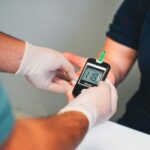
For people with diabetes, a simple habit helps: test your blood glucose after trying a new stevia product, especially a blended one. Individual responses vary, and a single reading tells you more about your body than any general claim.
Bottom Line: Should Diabetics Use Stevia?
Stevia is a sound sugar substitute for most people with diabetes. It does not raise blood sugar in any meaningful way, it adds no carbohydrate or calories on its own, and regulatory review supports its safety in purified form. It is not a treatment for diabetes, and it is not proven to improve insulin function or cause weight loss.
The practical advice is straightforward. Choose products with minimal added carbohydrate, read labels carefully, and treat stevia as a tool for reducing sugar intake rather than a health food in its own right. If you take medication for blood pressure or have other health conditions, mention stevia to your clinician. And if a product promises to “support blood sugar balance,” remember that no strong evidence backs that claim.
Frequently Asked Questions
Does stevia raise blood sugar?
No. Steviol glycosides are not digestible carbohydrates, so they do not raise blood glucose in the way sugar does. Blended products containing maltodextrin or dextrose can add small amounts of carbohydrate, so check the label.
Can diabetics use stevia every day?
Yes, purified steviol glycosides are considered safe for regular use within established intake guidance, including for people with diabetes. Choose products low in added carbohydrate and monitor your own glucose response when trying new brands.
Is stevia better than artificial sweeteners for diabetes?
Not necessarily. Stevia, sucralose, aspartame, and saccharin are all essentially calorie-free and do not meaningfully raise blood glucose. The evidence does not show stevia is safer or more effective than the others for diabetes control.
Does stevia affect insulin levels?
Stevia does not appear to trigger a significant insulin release, and no large human trials have established a reliable insulin effect. Claims that stevia improves insulin sensitivity are not supported by strong evidence.
