
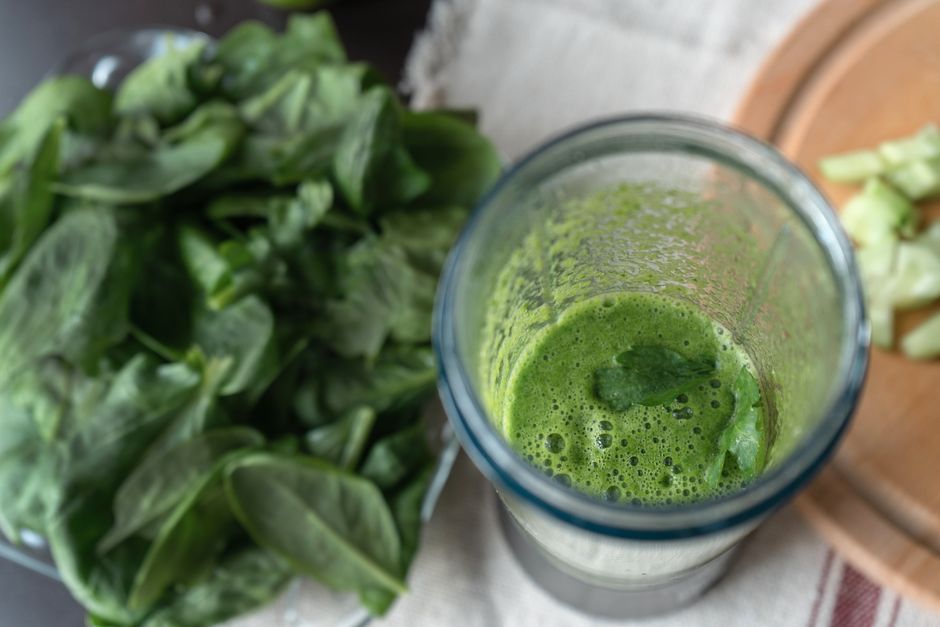
Yes, spinach is a vegetable. Botanically, it is a leafy green plant from the Amaranthaceae family, the same family as beets and Swiss chard. In culinary terms, it is cooked and eaten as a vegetable. There is no serious debate about this among scientists or chefs. The confusion usually comes from how we talk about food groups versus plant families, but spinach clearly belongs in the vegetable category on your plate.
What Type of Vegetable Is Spinach?
Spinach is a leafy green vegetable. The USDA classifies it in the “dark green vegetables” subgroup. This group also includes kale, collard greens, and romaine lettuce. Leafy greens are distinct from other vegetables because you eat the leaves rather than roots, stems, or flowers.
Spinach grows as a rosette of leaves close to the ground. The leaves are the part people eat, whether raw or cooked. Unlike root vegetables such as carrots or potatoes, spinach does not store energy underground. Unlike fruit vegetables such as tomatoes or peppers, spinach does not develop from a flower ovary. It is simply a leaf vegetable, plain and straightforward.
Some people ask if spinach is a herb because herbs are also leafy plants. Herbs are typically used in small amounts for flavor. Spinach is eaten in substantial portions as a main component of a meal. That makes it a vegetable, not a herb, in standard culinary and nutritional classification.
Is Spinach a Fruit or a Vegetable?
Spinach is a vegetable, not a fruit. Botanically, a fruit develops from the flower of a plant and contains seeds. Spinach does not produce fruit. It produces leaves. The plant does flower and go to seed, but those seeds are not what we eat. We eat the leaves before the plant flowers.
This question comes up because some foods we call vegetables are technically fruits. Tomatoes, cucumbers, and bell peppers are botanically fruits but are called vegetables in cooking and nutrition. Spinach never falls into that gray area. It is a vegetable by every definition. The confusion is understandable given how many foods straddle the line, but spinach is not one of them.
The USDA and every major health organization classify spinach as a vegetable. The Dietary Guidelines for Americans list spinach under “Vegetables” in the dark green category. There is no botanical or legal argument for calling spinach a fruit.
What Makes Spinach Different From Other Vegetables?
Spinach stands out among vegetables for its nutrient density per calorie. A 100-gram serving of raw spinach contains only 23 calories but provides 558% of the daily value for vitamin K. It also supplies significant amounts of vitamin A, vitamin C, folate, iron, and magnesium. Few foods pack this much nutrition into so few calories.
One key difference is oxalate content. Spinach contains high levels of oxalates, naturally occurring compounds that can bind to calcium and form crystals. This matters for people prone to kidney stones. Cooking spinach reduces oxalate content by up to 50%, according to research published in the Journal of Agricultural and Food Chemistry. Other leafy greens like kale and arugula have much lower oxalate levels.
Spinach also contains nitrates, which the body converts to nitric oxide. Nitric oxide helps relax blood vessels and improve blood flow. Some studies suggest this may lower blood pressure. Beets and arugula also contain nitrates, but spinach is one of the richest sources among common vegetables.





How Does Cooked Spinach Compare to Raw Spinach?
| Nutrient | Raw Spinach (100g) | Cooked Spinach (100g) |
|---|---|---|
| Calories | 23 | 23 |
| Vitamin K | 483 mcg | 494 mcg |
| Vitamin A (RAE) | 469 mcg | 524 mcg |
| Vitamin C | 28 mg | 9.8 mg |
| Folate | 194 mcg | 146 mcg |
| Iron | 2.7 mg | 3.6 mg |
| Calcium | 99 mg | 136 mg |
| Oxalates | High | Reduced by up to 50% |
Cooked spinach loses some vitamin C and folate because heat breaks these nutrients down. But cooking concentrates the spinach, so you get more iron, calcium, and vitamin A per gram. The oxalate reduction is a real benefit for people who need to watch their intake. Neither raw nor cooked is “better” overall. They each have advantages depending on your health needs.
One practical point: cooked spinach shrinks dramatically. A full bag of raw spinach wilts down to about a cup when cooked. That means you eat more spinach in cooked form without realizing it. If you want the vitamin C and folate, eat it raw. If you want the iron and calcium with fewer oxalates, cook it.
Is Spinach a Superfood?
The term “superfood” has no official definition. It is a marketing word, not a scientific classification. That said, spinach is one of the most nutrient-dense foods you can eat. The CDC created a system called the Aggregate Nutrient Density Index that scores foods based on their vitamin and mineral content. Spinach scores near the top.
Research published in the journal Nutrients found that higher intakes of leafy greens like spinach are associated with lower risk of heart disease, type 2 diabetes, and age-related cognitive decline. These are observational studies, so they show correlation not causation. But the pattern is consistent across many populations and many years of data.
Spinach also contains antioxidants like lutein and zeaxanthin, which are linked to eye health. The Age-Related Eye Disease Study 2, funded by the National Institutes of Health, found that these carotenoids may slow progression of age-related macular degeneration. Spinach is one of the richest dietary sources of these compounds.
Calling spinach a superfood oversimplifies nutrition. No single food determines your health. But if you had to pick one vegetable to eat regularly for broad nutritional coverage, spinach is a reasonable choice.
Common Misconceptions About Spinach
One persistent myth is that spinach is the best source of iron. Popeye popularized this idea in the 1930s. Spinach does contain iron, but it is non-heme iron, which the body absorbs less efficiently than the heme iron from meat. A 2015 study in the American Journal of Clinical Nutrition found that the oxalates in spinach further reduce iron absorption. You would need to eat enormous amounts of spinach to match the iron from a serving of red meat.
Another misconception is that raw spinach is always healthier than cooked. As the table above shows, cooking reduces some nutrients and increases others. The idea that raw food is inherently superior is not supported by evidence. The best choice depends on which nutrients you need more of.
Some people believe that washing spinach removes all pesticides. The FDA recommends washing all produce under running water, but this does not remove all residues. A 2021 report from the Environmental Working Group listed spinach among produce with higher pesticide residues. Buying organic spinach reduces exposure but does not eliminate it. Washing helps but is not a guarantee.
A final myth is that spinach must be eaten fresh. Frozen spinach is often more nutritious than fresh that has sat in a refrigerator for a week. Frozen spinach is blanched before freezing, which locks in nutrients. A study in the Journal of Food Science found that frozen spinach retained more vitamin C than fresh spinach stored for several days.
Frequently Asked Questions
Is spinach a vegetable or a leaf?
Spinach is both a vegetable and a leaf. It is a leafy green vegetable, meaning the edible part is the leaf of the plant.
Can you eat spinach every day?
Yes, most people can eat spinach daily without problems. People with a history of kidney stones should talk to a doctor first due to the oxalate content.
Is baby spinach the same as regular spinach?
Baby spinach is just regular spinach harvested early. The leaves are smaller, more tender, and slightly sweeter, but the nutritional profile is similar.
Does cooking spinach destroy its nutrients?
Cooking reduces some nutrients like vitamin C and folate but increases the availability of others like iron and calcium. Neither raw nor cooked is nutritionally superior overall.
