
Hemorrhoids are swollen veins in your lower rectum and anus, similar to varicose veins. Daily habits focused on reducing pressure and strain in that area are the most effective way to prevent them. The core of prevention is simple: keep stool soft so you never have to push hard during a bowel movement, and avoid prolonged sitting that compresses the veins. This means prioritizing fiber, water, and movement every single day.
What Daily Bathroom Habits Prevent Hemorrhoids?
The way you use the bathroom matters more than most people realize. The number one cause of hemorrhoids is straining on the toilet. When you push hard to pass stool, you increase pressure in the veins around your anus. Over time, that pressure causes them to swell and bulge.
The first habit is to go when you feel the urge. Waiting makes stool drier and harder. The second habit is to never sit on the toilet for more than five to ten minutes. Longer sitting creates pressure and also signals your body to push harder. Many people scroll on their phones while sitting, which extends time on the toilet without realizing it.
A third habit is to use a small footstool or squatting position. The body is designed to pass stool when your knees are higher than your hips. This straightens the angle of the rectum and reduces the need to strain. A simple step stool changes the mechanics significantly. The National Institute of Diabetes and Digestive and Kidney Diseases notes that proper positioning helps prevent constipation and the straining that leads to hemorrhoids.
How Does Fiber and Water Intake Prevent Hemorrhoids?
Fiber and water work together as a team. Fiber absorbs water and adds bulk to stool. Bulkier stool is softer and moves through the colon faster. Soft stool passes without pushing. Hard stool is the enemy of hemorrhoid prevention.
Most adults in the US get only about 15 grams of fiber per day. The recommended amount is 25 to 38 grams. This gap is a major reason hemorrhoids are so common. Increasing fiber gradually is important. Adding too much at once causes gas and bloating. Good sources include oats, beans, lentils, berries, broccoli, and whole grains. Psyllium husk supplements are a reliable option if diet falls short. Research published in the American Journal of Gastroenterology found that fiber supplements reduced the risk of hemorrhoid flare-ups by about 50 percent.
Water makes fiber work. Without enough water, fiber hardens and makes constipation worse. Aim for at least eight cups of fluid daily. More is better if you exercise or live in a warm climate. Water, herbal tea, and broth all count. Caffeinated drinks are fine in moderation but do not replace plain water.
How To Prevent Hemorrhoids Daily Habits That Work for Physical Activity
Movement keeps the digestive system running. When you are sedentary, the colon slows down. Stool sits longer and becomes drier. This leads to constipation and straining. Walking, swimming, cycling, and yoga all help by stimulating bowel function.
There is a specific movement that matters most for hemorrhoid prevention: walking. A 20-minute walk after a meal helps move stool through the colon. It also reduces the time you spend sitting. Sitting for hours at a desk or on a couch increases pressure on the rectal veins. The American Society of Colon and Rectal Surgeons recommends standing or walking every hour to relieve that pressure.
Heavy lifting with poor form is a risk factor. When you hold your breath and bear down during a lift, you create the same kind of pressure as straining on the toilet. If you lift weights, exhale on the effort and never hold your breath. This protects the veins from sudden pressure spikes.



What Positions and Posture Changes Help the Most?
Posture affects hemorrhoid risk more than people think. Sitting on a hard surface for long stretches compresses the veins in the anal area. This is not just uncomfortable — it directly contributes to swelling. A donut cushion or a soft seat pad can help, but changing position is more effective.
Standing up every 30 to 45 minutes resets the pressure. Even a one-minute walk around the room helps blood flow return. If standing is not possible, shifting your weight from side to side or leaning forward reduces pressure on the tailbone and rectum.
Sleeping position matters too. Lying on your side with a pillow between your knees takes pressure off the pelvic floor. This is especially helpful for people who have existing hemorrhoids or are prone to them. The goal is to avoid any position that creates prolonged compression in the anal area.
How Do Bathing and Hygiene Habits Prevent Hemorrhoids?
Cleanliness matters, but overdoing it causes harm. The anal area has sensitive skin and delicate blood vessels. Harsh wiping with dry toilet paper irritates the skin and can inflame the veins underneath. Wet wipes or a bidet are gentler options. If you use wipes, choose ones without alcohol or fragrance.
Warm baths are one of the most effective non-medical habits for prevention. Sitting in a few inches of warm water for 10 to 15 minutes increases blood flow to the area and relaxes the anal sphincter. This reduces the risk of small tears and swelling. A sitz bath — a small plastic basin that fits over the toilet — is convenient for daily use.
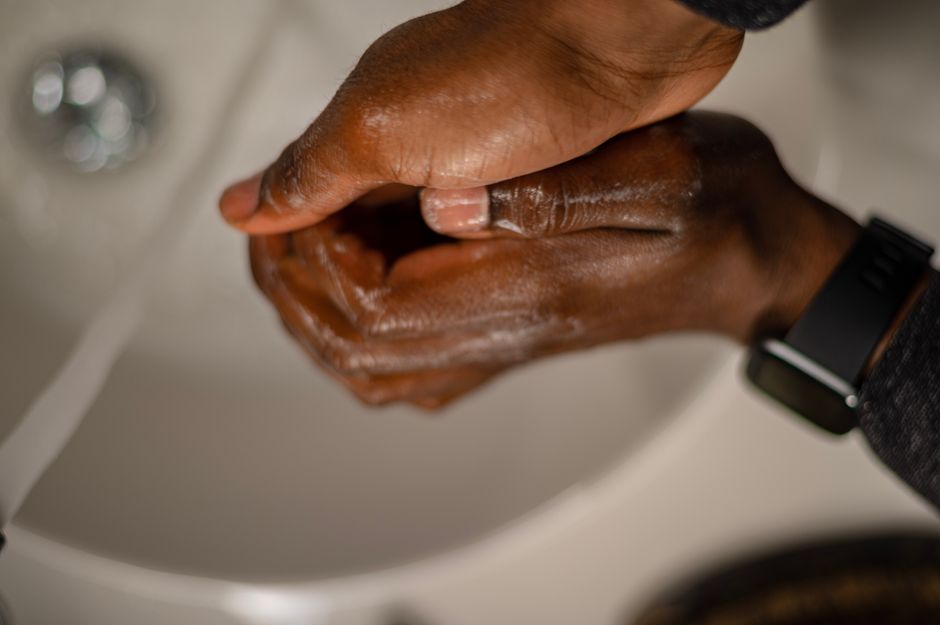
Patting dry instead of rubbing is a small change with real benefit. Rubbing with a towel removes protective oils and irritates the skin. Patting gently leaves the skin intact and reduces inflammation. These hygiene habits are simple, but they reduce the irritation that can turn into a full hemorrhoid flare.
What Foods and Habits Should You Avoid?
Some foods make hemorrhoid prevention harder. Low-fiber foods like white bread, cheese, processed snacks, and red meat slow down digestion. They produce harder stool that requires more pushing. Spicy foods do not cause hemorrhoids directly, but they can irritate existing ones and make symptoms worse.
Chronic diarrhea is as bad as constipation. Frequent loose stools irritate the anal lining and cause inflammation. If you have diarrhea regularly, look at triggers like artificial sweeteners, caffeine excess, or food intolerances. Treating the cause of diarrhea is part of hemorrhoid prevention.
The habit of pushing hard during urination is rarely discussed but important. Men with an enlarged prostate often strain to urinate. This creates the same type of abdominal pressure as straining for a bowel movement. Addressing prostate health with a doctor can reduce this hidden risk factor.
| Habit | Why It Helps | How Often |
|---|---|---|
| Eating 25-38g fiber daily | Softens stool, reduces straining | Every meal |
| Drinking 8+ cups water | Keeps fiber effective | Throughout day |
| Walking 20 minutes | Stimulates colon, reduces sitting time | Daily |
| Using a footstool on toilet | Straightens rectal angle | Each bowel movement |
| Warm bath or sitz bath | Relaxes sphincter, increases blood flow | As needed or daily |
| Standing every 30-45 minutes | Relieves rectal pressure | Multiple times daily |
Common Misconceptions About Hemorrhoid Prevention
One widespread myth is that spicy food causes hemorrhoids. Spicy food can irritate the skin around the anus if you already have hemorrhoids, but it does not cause the veins to swell. The real cause is pressure and strain, not capsaicin.
Another myth is that only older people get hemorrhoids. People in their 20s and 30s get them frequently, especially during pregnancy or from jobs that require long hours of sitting. The habits that prevent hemorrhoids work at any age.
A third misconception is that hemorrhoids are always painful. Many people have hemorrhoids without knowing it. They only notice bleeding on the toilet paper or a feeling of fullness. Prevention is still important because even painless hemorrhoids can bleed and cause anxiety.
Some people believe that if they have had hemorrhoid surgery, they are cured forever. Surgery removes existing hemorrhoids, but the same habits that caused them can create new ones. Prevention remains necessary even after treatment.
Frequently Asked Questions
Can drinking more water alone prevent hemorrhoids?
Water helps but works best with fiber. Without enough fiber, water passes through quickly and does not soften stool effectively.
Is it safe to use over-the-counter creams for prevention?
Creams are for treating symptoms, not prevention. Using them daily without changing habits does not address the root cause.
How long does it take for fiber to help prevent hemorrhoids?
Most people notice softer stool within three to five days of increasing fiber and water intake.
Does exercise like running help prevent hemorrhoids?
Any movement that reduces sitting time helps, but high-impact running can sometimes aggravate existing hemorrhoids if you are prone to them.
